

Benefits of a Low Sodium Diet: Health & Flavor
Table of Contents
- Why Low Sodium Diet Benefits Matter for Your Heart
- How a Low Sodium Diet Impacts Blood Pressure and Hypertension
- The Connection Between Sodium Intake and Cardiovascular Disease
- Foods to Avoid on a Low Sodium Diet
- How to Season Food Without Salt: Low Sodium Diet Flavor Tips
- Reading Nutrition Labels and Sodium Content
- Sodium, Electrolyte Balance, and Active Individuals
- Overcoming Psychological Barriers to Salt Reduction
- Frequently Asked Questions
Last Updated: October 1, 2026
Why Low Sodium Diet Benefits Matter for Your Heart
Understanding the low sodium diet benefits, reduced cardiovascular workload and prevention of dangerous conditions like hypertension and heart disease, makes this approach worth adopting. This approach to eating isn't about deprivation, it's about making smarter choices that protect your long-term health while keeping meals delicious.
Most people consume far more sodium than their bodies need. The average intake far exceeds recommended levels, putting unnecessary strain on blood vessels and the heart. When you reduce sodium intake, you give your cardiovascular system a real chance to function optimally. Your heart doesn't have to work as hard to pump blood through your vessels, and your kidneys can process fluids more efficiently.
The benefits of a low sodium diet extend beyond just heart health. Better blood pressure control means fewer headaches, more stable energy levels, and reduced risk of serious complications down the road. At Twisted Pepper Co., we believe you shouldn't have to sacrifice flavor to eat healthier; our handcrafted, low-sodium seasonings prove that bold taste and smart nutrition go hand in hand.
Research shows that dietary changes often produce noticeable results within weeks. People who commit to reducing sodium report feeling better, sleeping more soundly, and experiencing fewer instances of bloating and water retention. The key is consistency and finding seasonings and preparation methods that make the transition enjoyable rather than restrictive.
How a Low Sodium Diet Impacts Blood Pressure and Hypertension
Sodium directly affects fluid balance in your body, which in turn influences blood pressure. When sodium levels are high, your body retains more water to maintain balance. This extra fluid increases the volume of blood circulating through your vessels, forcing your heart to work harder and raising systolic and diastolic blood pressure in the process.
Reducing sodium intake helps reverse this cycle. Your kidneys can eliminate excess fluid more effectively, reducing the pressure inside your arteries. This effect isn't subtle, many people see measurable improvements in blood pressure readings within days of cutting back on salt. For those managing hypertension, dietary sodium reduction is often recommended alongside other lifestyle changes as a first-line intervention.
The relationship between salt intake and blood pressure is particularly pronounced in people with salt sensitivity, a condition where the body responds more dramatically to sodium consumption. If you've noticed your blood pressure spikes after eating salty foods, you may fall into this category. Switching to low-sodium seasonings and prepared foods becomes especially important for managing your condition effectively.
Blood pressure control matters because hypertension is often called a "silent killer", you can have dangerously high readings without feeling any symptoms. Over time, sustained high blood pressure damages blood vessel walls, increasing your risk of heart attack and stroke. A low sodium diet is one of the most straightforward ways to bring these numbers down naturally.
The Connection Between Sodium Intake and Cardiovascular Disease
Excessive sodium consumption contributes to cardiovascular disease through multiple pathways. High sodium intake increases blood pressure, but it also promotes inflammation in blood vessels and can lead to left ventricular hypertrophy, a condition where the heart muscle thickens abnormally. This thickening reduces the heart's ability to fill and pump blood efficiently.
Over decades, these changes accumulate. The arterial walls lose elasticity, plaque builds up more easily, and the risk of blood clots increases. People who maintain high sodium intake throughout their lives face significantly elevated risk of experiencing a heart attack or stroke compared to those who keep sodium consumption moderate.
The good news is that reducing sodium intake can slow or even reverse some of this damage. Your cardiovascular system has remarkable capacity to heal when given the right conditions. By choosing low-sodium seasonings and whole foods over processed options, you're actively protecting your vascular health and reducing chronic disease risk.
According to dietary guidelines from the American Heart Association, limiting sodium to recommended levels is one of the most effective dietary interventions for cardiovascular health. This isn't theoretical, it's based on decades of clinical research showing consistent benefits across diverse populations.
Foods to Avoid on a Low Sodium Diet
Processed foods are the primary culprit behind excess sodium intake. Packaged snacks, canned soups, deli meats, cheese, and condiments often contain staggering amounts of salt used as a preservative and flavor enhancer. A single serving of some canned soups can contain more than half your daily sodium allowance.
Restaurant meals, particularly fast food and casual dining chains, are loaded with hidden sodium. Even dishes that don't taste particularly salty often contain massive amounts of salt in sauces, dressings, and preparation methods. Bread and baked goods contribute more sodium than most people realize, it's added to nearly every commercial bread product for texture and preservation.
Processed meats deserve special mention. Bacon, sausage, ham, and deli turkey are cured with salt and often contain additional sodium in their packaging liquids. If you eat these foods regularly, switching to fresh, unseasoned proteins makes an enormous difference in your daily sodium intake.
Condiments and flavor-makers are hidden sodium bombs. Soy sauce, Worcestershire sauce, barbecue sauce, and salad dressings can contain hundreds of milligrams of sodium per tablespoon. This is where many people unknowingly sabotage their low-sodium efforts, they avoid salty snacks but drench their food in high-sodium sauces.
Garlic Jalapeno Seasoning 6 oz →
The challenge isn't avoiding all these foods forever. It's understanding which ones are sodium-heavy so you can make conscious choices. When you do eat processed foods occasionally, you can balance your intake by keeping other meals very low in sodium.
How to Season Food Without Salt: Low Sodium Diet Flavor Tips
The secret to enjoying a low sodium diet is mastering flavor through methods beyond salt. Acid, heat, umami-rich ingredients, and aromatic spices create complex, satisfying tastes that don't rely on sodium. Once you understand these flavor building blocks, you'll never feel deprived again.
Fresh herbs are your first line of defense. Cilantro, basil, parsley, dill, and oregano add brightness and depth without any sodium. Dried herbs work too, though they're more concentrated, use about one-third the amount of dried herbs compared to fresh. The key is adding herbs at different cooking stages: some early for deeper flavor, some at the end for fresh pop.
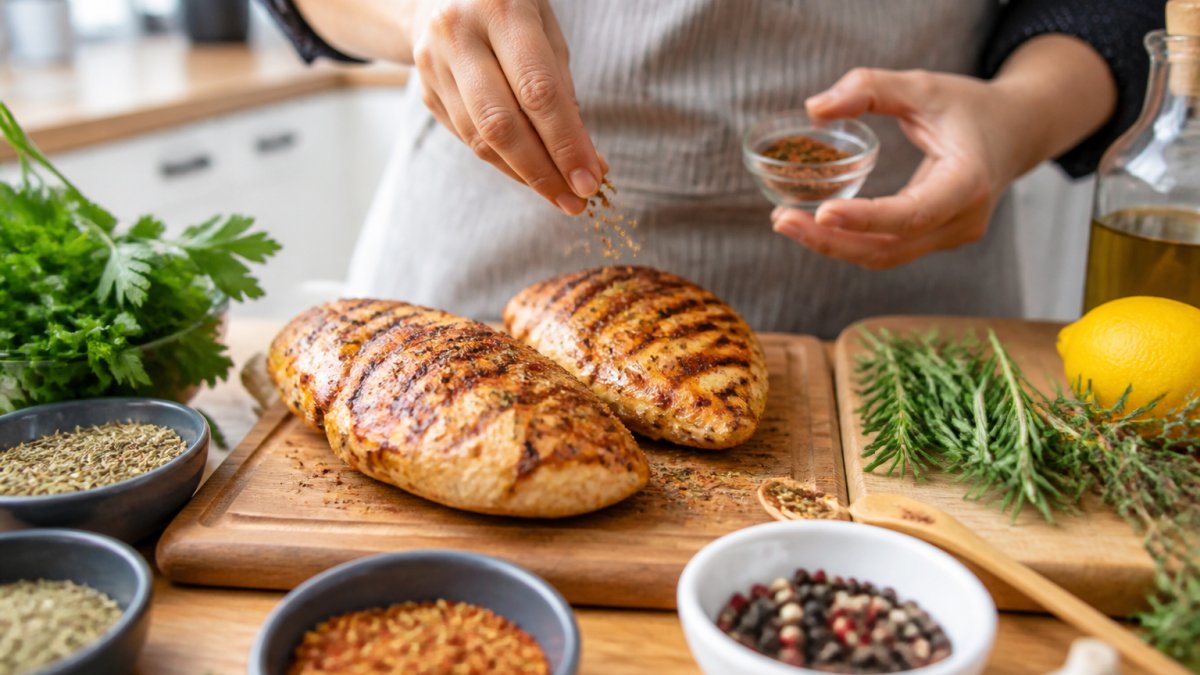
Acid transforms bland food into something memorable. A squeeze of lemon or lime juice, a splash of vinegar, or a dash of hot sauce awakens your palate and makes food taste more flavorful without adding sodium. Acids also enhance the perception of saltiness, so you need less actual salt to achieve that satisfying savory taste.
Umami-rich ingredients like tomato paste, mushrooms, nutritional yeast, and low-sodium soy sauce add savory depth. Garlic and onions, whether fresh or roasted, provide aromatic complexity that makes food feel more substantial. Roasting vegetables caramelizes their natural sugars, creating depth and richness that compensate for reduced salt.
Using Spice Blends to Replace Salt
Quality spice blends are game-changers for low-sodium cooking. A well-balanced blend contains multiple spices that work together to create flavor complexity that rivals salt-heavy seasoning mixes. Look for blends specifically labeled low-sodium or no-salt-added, and check the ingredient list to ensure you're getting actual spices, not fillers or anti-caking agents.
Twisted Pepper Co.'s handcrafted seasonings are designed specifically for this purpose.
Adjusting Your Palate Over Time
Your taste preferences aren't fixed, they adapt based on what you eat regularly. When you first reduce sodium, foods taste bland because your palate has become accustomed to high salt levels. This adjustment period typically lasts two to four weeks. Pushing through this phase is crucial because once your palate resets, you'll find that previously salty foods taste unpleasantly over-salted.
Reading Nutrition Labels and Sodium Content
Understanding how to read nutrition labels is essential for managing sodium intake effectively. The Nutrition Facts label lists sodium in milligrams and as a percentage of the daily value. The daily value is based on 2,300 milligrams per day, though some health organizations recommend lower limits for certain populations (the FDA).
Sodium, Electrolyte Balance, and Active Individuals
Athletes and highly active people face a unique challenge with low-sodium diets. Sodium is an essential electrolyte that helps your body maintain fluid balance, support muscle function, and regulate nerve signals. During intense exercise or in hot conditions, you lose sodium through sweat, and replacing it is necessary for optimal performance.
Overcoming Psychological Barriers to Salt Reduction
The biggest obstacle to maintaining a low-sodium diet isn't finding good food, it's managing the psychological attachment many people have to salty flavors. Salt is deeply embedded in our food culture and personal food memories. Comfort foods often taste salty, and changing that can feel like losing something important.
Frequently Asked Questions
What happens to your body on a low sodium diet?
Your body begins to adjust within days. Blood pressure typically drops as fluid retention decreases, reducing edema and strain on your heart. Your kidneys work more efficiently, especially important if you have chronic kidney disease. Most people experience improved vascular health and reduced cardiovascular disease risk over time. Your palate also adapts, making foods taste flavorful again without excess salt within 2-3 weeks of consistent reduction.
How much sodium should you consume per day according to dietary guidelines?
The American Heart Association recommends no more than 2,300 milligrams per day, with an ideal limit of 1,500 milligrams daily for optimal heart health. Most people consume 3,400+ milligrams daily, far exceeding recommendations. Check nutrition facts labels on processed foods, which hide the majority of dietary sodium. Reducing to recommended levels requires conscious food choices and using low-sodium seasonings instead of salt-heavy processed options.
Can you still enjoy flavorful meals on a low sodium diet?
Absolutely. Low sodium diet flavor tips include using handcrafted spice blends like those from Twisted Pepper Co., which deliver bold taste without excess salt. Garlic, chili peppers, herbs, and coffee-based rubs create complex flavors that replace salt's role. Marinades using vinegar, citrus, and Worcestershire sauce add depth. Many customers find their food tastes better after palate adjustment, discovering natural flavors masked by excess sodium in conventional seasonings.
What are hidden sources of sodium in 'healthy' processed foods?
Many seemingly healthy options contain surprising sodium: low-fat salad dressings, whole wheat bread, yogurt, canned soups, and veggie chips often exceed 400 milligrams per serving. Even 'heart-healthy' frozen meals and no-MSG products can be sodium-heavy. Always read nutrition labels carefully. Making meals from scratch with fresh ingredients and low-sodium seasonings gives you complete control, which is why handcrafted rubs without anti-caking agents or MSG offer better transparency than mass-produced options.