

How to Reduce Sodium in Processed Foods
Table of Contents
- Understanding Sodium vs. Salt and Why It Matters
- How to Read Nutrition Labels for Sodium Content
- Identifying Hidden Sodium in Everyday Processed Foods
- Swap Processed Ingredients for Low-Sodium Alternatives
- Low Sodium Diet Flavor Tips Using Herbs and Spices
- Choosing Healthy Seasoning Blends for Low Sodium Cooking
- Practical Strategies for Dining Out and Grocery Shopping
- Frequently Asked Questions
Last Updated: September 28, 2026
Understanding Sodium vs. Salt and Why It Matters
Sodium is a mineral your body needs, but too much of it causes real problems. Salt is sodium chloride, the white crystals you shake on food. When you eat processed foods, you're getting sodium from salt plus other sodium compounds added during manufacturing.
Your body needs about 500mg of sodium daily, but most people consume three to four times that amount from packaged goods, canned items, and restaurant meals, increasing blood pressure and straining the heart and kidneys.
Learning how to reduce sodium in processed foods doesn't mean sacrificing flavor. The real challenge is learning where sodium hides and replacing it with taste that works.
Hypertension affects one in three adults, and dietary sodium is a major driver. Strategic seasoning choices and smart shopping cut sodium consumption dramatically while keeping meals delicious.
How to Read Nutrition Labels for Sodium Content
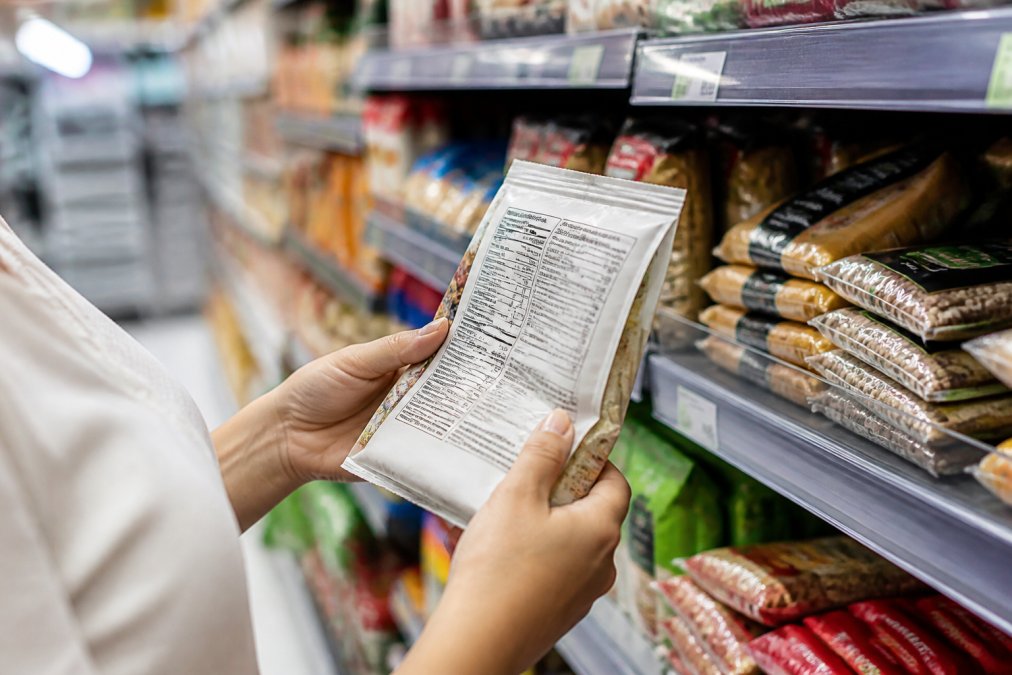
Check three things: serving size, sodium milligrams per serving, and daily value percentage. Daily value: 5% or less = low sodium, 20% or more = high sodium. When shopping: verify serving sizes (manufacturers shrink them to hide sodium), compare similar products (canned soup ranges 300-900mg), check actual numbers on "light sodium" labels, and scan ingredients for sodium benzoate, MSG, and sodium nitrate. Quick rule: if sodium milligrams exceed calories per serving, it's sodium-heavy.
Identifying Hidden Sodium in Everyday Processed Foods
Sodium hides in foods that don't taste salty. Breakfast items: flavored oatmeal (300-400mg), whole wheat bread (300-400mg per two slices), breakfast cereal (200-500mg). Lunch and dinner: canned soup (800-1,200mg), frozen dinners (600-1,000mg), deli meat (600mg per three slices), pasta sauce (400-600mg per half cup). Soy sauce contains 1,000mg per tablespoon. You can't taste sodium in sweet granola bars (200mg each), which is why label reading matters more than taste buds.
Swap Processed Ingredients for Low-Sodium Alternatives
Understanding how to reduce sodium in processed foods most effectively replaces high-sodium ingredients with whole foods and low-sodium versions that are also high in potassium, the balance your body needs.
Why Sodium-Potassium Balance Matters
Your body regulates fluid balance, nerve signals, and muscle contractions through sodium and potassium. Most people consume 3,400mg sodium and only 2,600mg potassium (the ratio is backwards). Recommended intake: 2,300mg sodium and 3,500mg potassium. Swapping processed foods for whole foods naturally increases potassium while decreasing sodium.
Potassium-rich whole foods: potatoes and sweet potatoes (900mg per medium), bananas (400mg), spinach (800mg per cooked cup), beans and lentils (600-700mg per cooked cup), avocados (500mg per half), tomatoes and tomato paste (400-1,000mg), fish and seafood (300-500mg per 3 oz), plain unsweetened yogurt (400-600mg per cup). Prioritizing potassium-rich alternatives creates dual benefit: lower sodium plus higher potassium, more effective for blood pressure than sodium restriction alone.
Budget-Friendly Low-Sodium Swaps
Start with these affordable swaps:
| High-Sodium Ingredient | Low-Sodium Alternative | Cost Comparison | Potassium Bonus |
|---|---|---|---|
| Regular canned beans (400mg sodium, $0.60/can) | Dried beans you cook (50mg sodium, $0.15/pound) | 75% cheaper | 600mg per cooked cup |
| Regular soy sauce (1,000mg/tbsp, $4/bottle) | Low-sodium soy sauce or coconut aminos (300-400mg/tbsp, $5/bottle) | 25% more, lasts 2x longer | Minimal |
| Processed deli meat (600mg/3 slices, $8/pound) | Whole rotisserie chicken (50-100mg per 3 oz, $7-9/bird) | Same price, 4x more servings | 250mg per 3 oz |
| Canned soup (1,000mg/can, $1.50/can) | Homemade broth-based soup (200-300mg, $2 in ingredients) | 33% cheaper | 400-600mg depending on vegetables |
| Flavored instant rice (400mg, $0.50/packet) | Plain brown rice (10mg, $0.20/serving) | 60% cheaper | 80mg per cooked cup |
| Canned broth (900mg, $2/can) | Low-sodium broth (200mg, $2.50/can) OR homemade (50mg, $1 in bones/vegetables) | Homemade is 60% cheaper | 200-400mg if made with vegetables |
Biggest savings: dried beans cost $0.15/lb and yield six cups (75% cheaper than canned, 75% less sodium). Second: homemade broth costs $1 per batch (eight cups) versus $2.50/can store-bought (60% cheaper). Third: rotisserie chicken ($7-9, four servings, 50-100mg sodium per serving) costs the same as deli meat ($8/lb, four servings, 600mg sodium per serving), same price, 85% less sodium.
Potassium-rich foods are among the cheapest: potatoes ($0.50-1/lb, 900mg potassium), sweet potatoes ($0.60-1.20/lb, 1,000mg), bananas ($0.50-0.70/lb, 400mg), canned tomatoes no-salt ($0.80-1.20/can, 400mg), frozen spinach ($1.50/box, 800mg per cooked cup), dried lentils ($1.50/lb, 600mg per cooked cup), eggs ($2-4/dozen, 70mg per egg). A dinner of baked sweet potato, roasted spinach, and eggs costs $1.50 per serving with 1,700mg potassium and 200mg sodium.
Replace canned broth (900mg sodium) with low-sodium (200mg) or homemade (50mg). Cooking with broth three times weekly: switching to low-sodium saves 2,100mg per week. Fresh vegetables contain almost no sodium; frozen without sauce are equally good and cheaper. Canned vegetables without salt work too, rinse before cooking.
Low-sodium proteins: fresh fish and seafood (50-100mg per 3 oz, $8-15/lb), eggs (minimal sodium, $2-4/dozen), beans you cook (50mg per cooked cup, $0.15/lb dried), fresh poultry (50-75mg per 3 oz, $5-8/lb), ground beef 93% lean (75mg per 3 oz, $5-7/lb). Processed deli meat contains 600mg sodium per 3 oz; fresh roasted chicken contains 50mg, same price, you're paying for salt and preservatives, not protein.
Savory Italian Seasoning 4.0 oz →
Pantry staples: dried beans and lentils ($0.15-0.50/lb), brown rice ($0.20-0.40/serving), olive oil ($8-12/bottle), vinegar ($3-5/bottle), canned tomatoes no-salt ($0.80-1.20/can), low-sodium broth ($2.50/can or $1 homemade), fresh garlic ($0.50/bulb), dried herbs and spices ($2-4/jar), potatoes and sweet potatoes ($0.50-1.20/lb). Once stocked, five dinners cost $15-20 built around beans, rice, potatoes, and fresh vegetables.
Low Sodium Diet Flavor Tips Using Herbs and Spices
Most people cut sodium and think food tastes bland. The fix is learning which flavors replace salt and understanding how your taste buds adapt.
The Palate Transition Phase: What to Expect
Your taste buds are adapted to high sodium. When you reduce intake, foods taste less flavorful for two to four weeks, a normal physiological adjustment, not permanent. Week one: meals taste flat. Week two: subtle flavors emerge (vegetable sweetness, mushroom umami, herb brightness). Week three to four: taste buds recalibrate and low-sodium food becomes satisfying. Many people fail because they quit before their palate adapts.
Survive the transition: expect the first two weeks to feel like sacrifice; use acid aggressively (sour tricks your brain into perceiving more flavor); layer multiple spices and herbs; compare low-sodium meals to other low-sodium meals, not your old baseline; stay hydrated.
Acids Create the Salty Sensation Your Mouth Expects
Umami Flavors Add Depth Without Sodium
Choosing Healthy Seasoning Blends for Low Sodium Cooking
Pre-made seasoning blends save time and prevent you from reaching for the salt shaker. But most commercial blends contain hidden sodium.
What to look for in a seasoning blend:
- Herbs listed before salt (or no salt at all)
- No MSG or artificial flavors
- No anti-caking agents
- Less than 100mg sodium per teaspoon
When you make your own blends at home, combine:
- 2 parts dried herbs (basil, oregano, thyme)
- 1 part garlic powder
- 1 part onion powder
- Half part black pepper
- Quarter part cayenne (optional)
Practical Strategies for Dining Out and Grocery Shopping
Restaurants add salt aggressively. Strategy: ask for sauces on the side, request no added salt, choose grilled or steamed options, skip bread, order vegetables without butter or sauce, choose water. At the grocery store: shop the perimeter, read every label, buy frozen vegetables without sauce, choose "no salt added" canned items, compare brands. Quick meal: rotisserie chicken, fresh vegetables, and low-sodium seasoning blend.
Frequently Asked Questions
How much sodium should I consume daily?
The FDA recommends limiting sodium intake to 2,300 milligrams per day for adults. However, the American Heart Association suggests 1,500 mg daily for optimal cardiovascular health. When reading nutrition labels, check the Daily Value percentage, aim to keep total daily sodium below 100% DV. If you're managing high blood pressure or have kidney concerns, consult your doctor about your specific sodium target.
What are the best low sodium diet flavor tips for making food taste good?
Build flavor without salt using acidic ingredients like lemon juice, vinegar, and tomato paste. Layer umami-rich elements such as garlic, mushrooms, and herbs like basil and oregano. Roasting vegetables intensifies natural sweetness. Try handcrafted seasoning blends that combine herbs and spices, products like Savory Italian Seasoning or Tuscan Roasted Garlic deliver bold taste without excess sodium. Toast spices before using them to amplify their flavor impact.
Which processed foods contain the most hidden sodium?
Canned goods, processed meats, packaged snacks, and condiments are major sodium culprits. A single serving of canned soup can contain 800+ mg of sodium. Bread and rolls, cheese, and frozen meals also pack significant amounts. Check nutrition labels closely, no-salt-added versions exist for many products. When choosing seasonings and dips, select low-sodium options like Cheddar Onion Dip Mix (which uses handcrafted blends) to control your sodium intake while cooking at home.
How do I transition my taste buds to enjoy low-sodium food?
Your palate adjusts within 4-8 weeks of reduced sodium intake. Start by gradually cutting back on processed foods and using flavorful alternatives. Rely on herbs, spices, and acidic ingredients to compensate. Handcrafted seasoning blends with no MSG and low sodium levels help maintain satisfaction during the transition. Garlic Jalapeno Seasoning and other quality blends deliver complexity that makes low-sodium meals feel indulgent rather than restrictive.
Reducing sodium doesn't mean accepting flavorless meals. By understanding where sodium hides, mastering seasoning techniques, and choosing the right ingredient swaps, you can cut your intake significantly while eating food you actually enjoy. Twisted Pepper Co.'s handcrafted, low-sodium seasoning blends make this easier, they're gluten-free, contain no MSG, and deliver authentic flavor in minutes. Shop now and discover how simple delicious can be.