

Natural Alternatives to High Sodium Sauces
Table of Contents
- Why High Sodium Sauces Are a Problem
- Herbs and Spices as Salt Alternatives
- Acid-Based Flavor Boosters: Vinegar and Citrus
- Umami-Rich Plant-Based Alternatives
- Low Sodium Diet Flavor Tips for Every Meal
- Creating Homemade Salt-Free Seasoning Blends
- Store-Bought Low-Sodium Condiments Worth Trying
- Conclusion
- Frequently Asked Questions
Last Updated: September 25, 2026
Why High Sodium Sauces Are a Problem
Most store-bought condiments are loaded with sodium. A single tablespoon of traditional soy sauce or barbecue sauce can contain a significant portion of your daily sodium intake, and high sodium sauces train your palate to expect intense saltiness, making fresh food taste bland by comparison.
Home cooks managing sodium intake often feel trapped between two bad options: buy bland low-sodium products that taste like cardboard, or accept the health trade-offs of conventional sauces. This guide explores natural alternatives to high sodium sauces that actually taste good, so you don't have to choose between flavor and health.
Herbs and Spices as Salt Alternatives
Fresh and dried herbs deliver aromatic complexity and depth that salt alone cannot provide. Understanding conversion mechanics, how much garlic powder replaces salt, or how many herbs build savory impact, is key to successful low-sodium cooking.
The Sodium-to-Flavor Conversion Framework
To replace salt's intensity without sodium, layer multiple flavor sources. Here's the practical conversion guide:
For savory depth (replaces 1 teaspoon salt):
- 1 tablespoon garlic powder + 1 tablespoon onion powder + 1 teaspoon black pepper
- OR 2 tablespoons nutritional yeast + 1 teaspoon garlic powder + ½ teaspoon black pepper
- OR 1 tablespoon miso paste (low-sodium variety) + 1 teaspoon lemon juice
- OR 2 tablespoons tomato paste + 1 teaspoon garlic powder + ½ teaspoon paprika
Each combination delivers savory completeness through different mechanisms: garlic and onion powder provide aromatic intensity; nutritional yeast delivers umami compounds; miso paste adds fermented depth; tomato paste adds umami and sweetness.
For brightness and lift (replaces ½ teaspoon salt):
- ½ teaspoon lemon zest + ¼ teaspoon lemon juice
- OR 1 teaspoon fresh lime juice
- OR ½ teaspoon balsamic vinegar + ¼ teaspoon garlic powder
- OR 1 teaspoon fresh ginger + ¼ teaspoon black pepper
Acid and fresh aromatics create brightness on your palate through different taste receptors than salt.
For warm, complex flavor (replaces ¾ teaspoon salt):
- 1 teaspoon cumin + ½ teaspoon coriander + ¼ teaspoon black pepper
- OR 1 teaspoon smoked paprika + ½ teaspoon garlic powder + ¼ teaspoon cayenne
- OR ½ teaspoon ginger + ½ teaspoon cinnamon + ¼ teaspoon clove
Warm spices activate multiple taste receptors simultaneously, making your brain interpret flavor as complete without salt.
Practical Application: The Layering Method
Build flavor in three layers: Base (garlic powder, onion powder, or fresh aromatics); Depth (tomato paste, miso, cumin, or paprika); Brightness (lemon juice, vinegar, or fresh basil).
Example chicken marinade: 1 tbsp garlic powder + 1 tbsp onion powder (base), 1 tbsp tomato paste + 1 tsp cumin (depth), 2 tbsp lemon juice + 1 tbsp cilantro (brightness). This delivers more complexity than salt alone.
Herb and Spice Intensity Ratings
Not all herbs and spices are equal in intensity. Understanding their strength helps you avoid over-seasoning:
| Ingredient | Intensity | Best Use | Conversion Note |
|---|---|---|---|
| Garlic powder | High | All savory dishes | 1 tsp replaces ½ tsp salt |
| Cumin | High | Tex-Mex, curries | 1 tsp replaces ⅓ tsp salt |
| Paprika (smoked) | High | Grilled foods, stews | 1 tsp replaces ⅓ tsp salt |
| Black pepper | Medium | All savory dishes | 1 tsp replaces ¼ tsp salt |
| Fresh basil | Medium | Pasta, tomato dishes | 1 tbsp fresh replaces ¼ tsp salt |
| Oregano (dried) | Medium | Italian, Greek dishes | 1 tsp replaces ¼ tsp salt |
| Thyme (dried) | Medium | Soups, roasted vegetables | 1 tsp replaces ¼ tsp salt |
| Cilantro (fresh) | Low | Mexican, Asian dishes | 2 tbsp replaces ¼ tsp salt |
| Parsley (fresh) | Low | Garnish, finishing herb | 3 tbsp replaces ¼ tsp salt |
Common Mistakes in Herb and Spice Substitution
Don't use too much of a single herb. Add fresh herbs at the end of cooking; dried herbs early. Start with ¼ teaspoon and build. Also, don't confuse intensity with flavor, cayenne adds heat, not savory depth like salt.
Acid-Based Flavor Boosters: Vinegar and Citrus
Acid is flavor. A squeeze of lemon juice or splash of vinegar makes dishes taste more complete than salt, brightening flavors and creating complexity.
Balsamic vinegar brings sweetness and depth; white vinegar cuts richness; rice vinegar adds subtle sweetness to Asian dishes. Citrus works on fish, vegetables, and grains, waking up taste buds and amplifying other flavors.
Finish dishes with acid rather than salt. Cook protein or vegetables with low-sodium seasonings, then add lemon juice or vinegar at the end. Professional kitchens use this technique because your palate registers brightness as complete without sodium. Expanding your pantry to include diverse salt alternatives allows for a more nuanced approach to seasoning that relies on natural depth rather than mineral intensity.
Savory Italian Seasoning 4.0 oz →
The Savory Italian Seasoning from Twisted Pepper Co. ($12.99) demonstrates this: mix 2-3 tablespoons seasoning with 3 ounces olive oil and 2 ounces vinegar, let sit 15-30 minutes. Vinegar carries spice oils into the oil, creating complex flavor.

Umami-Rich Plant-Based Alternatives
Umami is the savory taste that creates satisfaction. While associated with salt, umami actually comes from compounds in plants, fermented foods, and aged ingredients. Understanding umami is key to making low-sodium food genuinely delicious.
Mushrooms (especially dried), miso paste, nutritional yeast, tomato paste, aged balsamic vinegar, and walnuts deliver intense umami without high sodium.
Build your low-sodium pantry around umami-rich ingredients. Vegetable broth made with dried mushrooms and kombu seaweed tastes more savory than store-bought versions. Miso-based dressings make vegetables taste like a complete meal.
Layer umami flavors: mushroom base, tomato paste for depth, miso or nutritional yeast for finish. This transforms simple ingredients into complex dishes in 30 minutes.
Low Sodium Diet Flavor Tips for Every Meal
Building flavor without salt requires layering multiple flavor sources, aromatics, acid, umami, herbs, and spices, rather than relying on one seasoning.
For breakfast, use fresh herbs and acid: scrambled eggs with dill and lemon, or oatmeal with cinnamon, vanilla, and cardamom instead of salt.
For lunch and dinner, build with low-sodium broth and umami vegetables (mushrooms, tomatoes), add protein, season with herbs and spices, finish with acid. Layering makes every dish taste intentional.
The Tex-Mex Seasoning Mix from Twisted Pepper Co. ($9.50) exemplifies layering: chile powders, cumin, onion, garlic, and parsley work as a dry rub or marinade.

Creating Homemade Salt-Free Seasoning Blends
Make your own seasoning blends to control sodium, save money, and customize for your favorite cuisines.
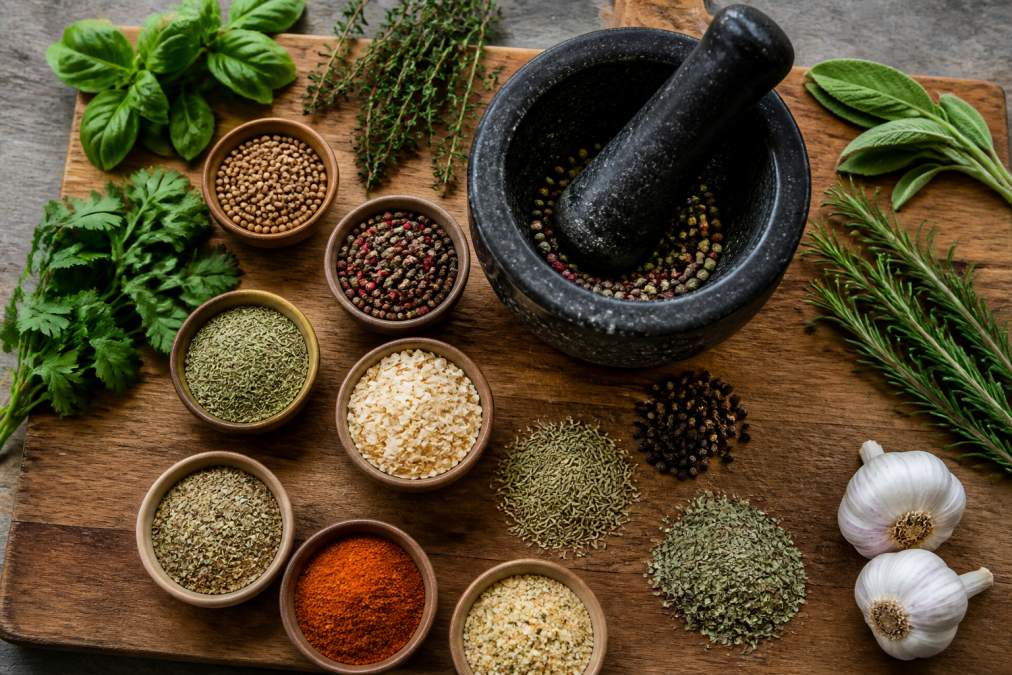
Here's a practical template for building your own blend:
Italian Herb Blend (makes about 1/2 cup):
- 2 tablespoons dried oregano
- 2 tablespoons dried basil
- 1 tablespoon dried thyme
- 1 tablespoon garlic powder
- 1 tablespoon onion powder
- 1 teaspoon black pepper
- 1 teaspoon paprika
Store-Bought Low-Sodium Condiments Worth Trying
Quality store-bought condiments exist, but the challenge is avoiding the "healthy" label trap where natural, organic, or heart-healthy products still contain 300+ milligrams of sodium per serving.
The Hidden Sodium Problem in "Healthy" Condiments
Reading Labels for Real Sodium Content
Condiments That Actually Deliver Low Sodium Without Compromise
Conclusion
Learning to cook without relying on salt takes practice, but the payoff is worth the effort. Your food will taste more interesting, not less. You'll discover that the best flavors come from layering herbs, spices, acid, and umami-rich ingredients, not from sodium.
Frequently Asked Questions
What are natural alternatives to high sodium sauces?
Fresh herbs, citrus juice, vinegar, garlic, onion powder, and spices like cumin and paprika replace salt's flavor impact. Umami-rich ingredients such as tomato paste, mushroom powder, and miso add depth. Homemade seasoning blends give you complete control over sodium content. Many people find that once they adjust their palate to lower-salt options, these alternatives taste just as satisfying, often within 2-3 weeks of consistent use.
How do I make my own low-sodium seasoning blends?
Combine dried herbs and spices without salt as the base. Mix garlic powder, onion powder, paprika, dried oregano, thyme, and black pepper in a small jar. Add optional ingredients like dried lemon zest, cumin, or chili powder based on your cuisine preference. Store in an airtight container. Twisted Pepper Co.'s handcrafted blends like Savory Italian Seasoning ($12.99) and Tex-Mex Seasoning Mix ($9.50) offer pre-made options with low sodium and no MSG, perfect for those short on time.
What tastes salty but has no sodium?
Umami-rich ingredients create that savory, mouth-filling sensation without sodium. Nutritional yeast, miso paste, soy sauce alternatives, mushroom powder, and aged balsamic vinegar deliver deep, complex flavors that your brain interprets as 'salty' satisfaction. Smoked paprika and roasted garlic also trigger similar taste receptors. These work especially well in soups, stews, and dips, areas where traditional high-sodium condiments dominate.
How can I add flavor without sodium to dips and appetizers?
Layer flavors using fresh herbs, spices, acid, and umami. Start with a base like sour cream or cream cheese, then add garlic powder, onion powder, fresh lemon juice, and dried herbs. For dips, Twisted Pepper Co.'s Prairie Ranch Dip Mix ($5.95) and Jalapeno Cheddar Dip Mix ($5.95) are handcrafted with low sodium and no MSG, just mix with sour cream and refrigerate for 1 hour. You can also stir in fresh jalapeños, cilantro, or a splash of hot sauce for extra punch without salt.