

Low Sodium Spices for Cooking: A Flavorful Guide
Table of Contents
- Why Low Sodium Spices Matter for Your Kitchen
- Salt-Free Seasoning Blends That Actually Taste Good
- How to Season Food Without Salt
- Low Sodium Diet Flavor Tips for Every Meal
- Reading Labels: Identifying Hidden Sodium in Spice Blends
- Adjusting Your Palate to Low Sodium Cooking
- Frequently Asked Questions
Last Updated: September 21, 2026
Why Low Sodium Spices Matter for Your Kitchen
Managing sodium intake doesn't mean sacrificing flavor. Many people believe that cutting salt means eating bland food. That's simply not true. The right low sodium spices transform ordinary meals into something memorable.
At Twisted Pepper Co., we understand that home cooks want delicious food without the health trade-offs. High sodium intake contributes to elevated blood pressure and other health concerns (the CDC). But flavor doesn't come from salt alone. It comes from aromatic compounds in spices, the depth of umami, and the brightness of citrus and vinegar.
Low sodium spices give you complete control over your meals. When you cook at home with quality seasonings, you know exactly what goes into every bite. Store-bought sauces and pre-packaged foods hide sodium in places you'd never expect. A single serving of some "light" products contains more sodium than you should eat in an entire day.
The good news: learning to cook with low sodium spices is straightforward. You don't need special equipment or complicated techniques. You just need the right seasonings on hand and a few practical strategies.
Salt-Free Seasoning Blends That Actually Taste Good
Store-bought salt-free blends have a reputation for tasting flat. The problem isn't the concept, it's poor execution. Many commercial blends rely on one or two dominant flavors. They taste one-note and forgettable.
The best salt-free seasoning blends layer multiple flavor profiles. They combine dried herbs, aromatic spices, citrus zest, and umami-rich ingredients. This approach creates complexity without relying on salt.
Italian and Mediterranean Blends
Italian cuisine naturally suits low sodium cooking. The flavor profile depends on oregano, basil, thyme, and garlic rather than salt. Mediterranean seasonings use similar herbs with the addition of rosemary and marjoram.
Dried herbs work beautifully in these blends because they concentrate flavor. One teaspoon of dried oregano delivers more punch than fresh oregano ever could. The drying process intensifies aromatic compounds.
Our Savory Italian Seasoning combines Italian spices into one convenient blend. Mix it with olive oil and vinegar for bread dipping. Sprinkle it on grilled vegetables. Use it as a marinade base by combining 1-2 tablespoons with a quarter cup of olive oil, then coat your vegetables or meat before grilling, baking, or sautéing.

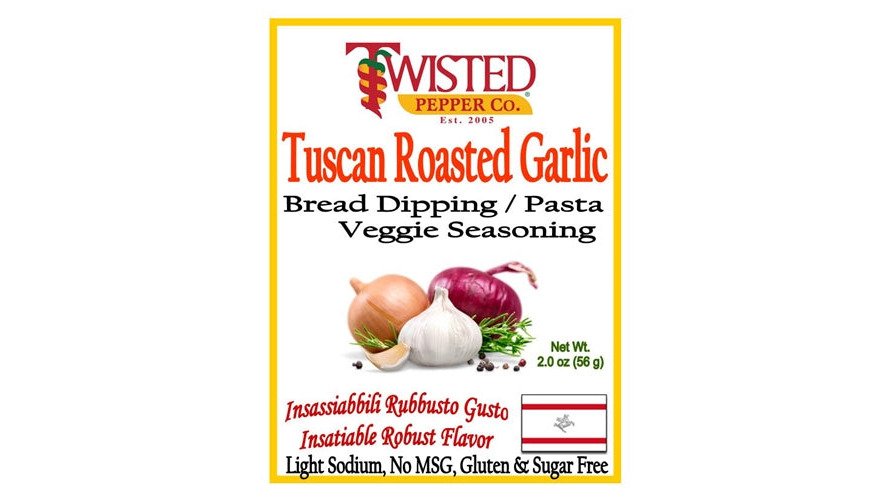
The Tuscan Roasted Garlic Seasoning takes a different approach. It emphasizes garlic without overwhelming other flavors. Garlic powder and roasted garlic create depth. This blend works on anything needing strong garlic flavor, chicken, seafood, vegetables, even scrambled eggs. Integrating these aromatic profiles into your routine remains a reliable method for adding flavor without sugar while maintaining the integrity of your ingredients.
Spicy and Smoky Profiles
Heat and smoke don't require salt. Cayenne pepper, black pepper, and paprika deliver intensity through capsaicin and aromatic compounds, not sodium. Smoky flavors come from paprika and cumin.
Our Garlic Jalapeno Seasoning combines savory garlic with spicy jalapeno. It works on chicken, seafood, fish, pork, and vegetables. Press the dry rub onto both sides of meat and refrigerate for 20 minutes before cooking. The longer the meat absorbs the rub, the greater the flavor intensity.
The Jalapeno Lime Seasoning offers a different twist. The lime provides acidic balance that brightens the heat. This blend suits fish, seafood, chicken, and beef. Use it as a dry rub, or mix 1-2 tablespoons with 2 tablespoons olive oil, 2 tablespoons honey, and 2 tablespoons orange juice for a marinade. Let meat marinate for one hour before grilling, smoking, baking, or broiling.
How to Season Food Without Salt
Salt makes food taste salty. Remove it, and you need other strategies to make food taste good. The best approach combines multiple techniques: building umami depth, using acidic balance, and pairing flavors thoughtfully.

Building Umami Depth Without Sodium
Umami is the fifth taste. It's savory, satisfying, and deeply delicious. Many people confuse umami with salt, but they're different. Umami comes from glutamates and nucleotides like inosinate and guanylate (pubmed.ncbi.nlm.nih.gov).
Garlic and onion deliver umami. So do tomatoes, mushrooms, and aged cheeses. In low sodium cooking, garlic powder and onion powder become your best friends. They add savory depth without adding salt.
Spices like cumin and turmeric also contribute umami-like qualities. They're not technically umami, but they create similar satisfaction. Paprika adds both flavor and a subtle savory note.
Building umami depth means layering flavors. Start with garlic and onion powder. Add cumin or paprika. Finish with fresh aromatics like cilantro or parsley. Each layer adds complexity.
Pairing Spices With Specific Proteins
Different proteins pair with different spice profiles. Matching them correctly makes food taste intentional and delicious.
Savory Italian Seasoning 4.0 oz →
Fish and seafood benefit from bright, acidic flavors. Lemon, lime, and dill work beautifully. Our Jalapeno Lime Seasoning suits seafood perfectly. The citrus cuts through richness while the heat adds interest.

Chicken is versatile and pairs with almost any spice profile. Italian herbs work. Garlic-forward blends work. Spicy blends work. Chicken's mild flavor lets other ingredients shine.
Beef and pork handle bold, smoky flavors. Cumin, paprika, and cayenne work well. Garlic-heavy blends add depth. These proteins have enough flavor to stand up to assertive seasoning.
Vegetables pair with whatever you're serving them alongside. Roasted vegetables with Italian seasoning complement pasta. Grilled vegetables with spicy seasoning pair with tacos. The key is matching the vegetable seasoning to your protein seasoning.
Low Sodium Diet Flavor Tips for Every Meal
Eating low sodium across all meals requires strategy. You can't just remove salt and hope for the best. You need techniques that work at breakfast, lunch, dinner, and snacks.
Acidic Balance and Citrus Zest
Acid brightens food. It makes flavors pop. Lemon juice, lime juice, vinegar, and balsamic vinegar all add brightness without sodium.
Citrus zest (the colored part of the peel) is pure flavor. It contains aromatic oils that deliver intense citrus character. A small amount of zest transforms a dish. Grate it fresh over finished meals or add it to spice blends.
Vinegar works in marinades, dressings, and cooking liquids. Balsamic vinegar adds sweetness and depth. Red wine vinegar adds sharpness. Apple cider vinegar adds subtle fruitiness.
Fresh Aromatics vs. Dried Herbs
Fresh herbs taste bright and alive. Dried herbs taste concentrated and intense. Both have their place in low sodium cooking.
Reading Labels: Identifying Hidden Sodium in Spice Blends
Not all low sodium spices are created equal. Some blends contain hidden sodium from anti-caking agents, preservatives, or salt itself. Learning to read labels protects your health and your budget.
Adjusting Your Palate to Low Sodium Cooking
Your taste buds don't permanently change, but your brain's perception of flavor does.
How Taste Bud Adaptation Works
The good news: this adaptation is reversible and relatively quick.
Week-by-Week Expectations
Week 1: Food tastes noticeably less flavorful. Soups seem thin. Vegetables taste watery. Proteins taste flat. This is the hardest week. Your receptors haven't begun resensitizing yet. Compensation strategy: layer multiple flavor sources (garlic, spices, acid, umami) rather than adding salt.
Strategies for the Adjustment Period
Don't reduce sodium gradually if you want faster adaptation.
Instead of adding salt when food tastes bland, add complexity:
- Layer acid early: Add lemon juice, lime juice, or vinegar during cooking, not just at the end. Acid brightens perception of other flavors and makes food taste more "seasoned" even without salt.
- Build umami depth: Combine garlic powder, onion powder, and tomato paste. These create savory satisfaction that compensates for missing salt.
- Use fresh aromatics as finishing touches: Cilantro, parsley, and basil added at the very end provide brightness that masks blandness during the adjustment period.
- Increase spice intensity slightly: Use more dried herbs and spices than recipes call for during Weeks 1-2. As your palate adapts, reduce back to normal amounts.
- Taste frequently while cooking: This keeps your attention on flavor development and helps you notice improvements as they happen.
Managing Cravings and Setbacks
Some people experience temporary cravings for salty foods around Day 5-7. This is normal and typically passes by Day 10. The craving isn't a sign you're doing something wrong, it's your brain's reward system responding to the absence of a stimulus it's become accustomed to.
Frequently Asked Questions
What seasoning has the least sodium?
Individual dried herbs and spices like cumin, turmeric, paprika, and black pepper contain virtually no sodium when purchased without added salt. Fresh aromatics such as garlic, ginger, and citrus zest are also sodium-free. Pre-made spice blends vary widely, so check nutrition labels carefully. Low sodium spices from brands like Twisted Pepper Co. are specifically formulated to deliver flavor without salt, making them ideal for reducing sodium intake while cooking.
How do I read labels to find low-sodium seasoning blends?
Check the nutrition facts panel for sodium content per serving, typically listed in milligrams. Compare the ingredient list for added salt, sea salt, or sodium-containing preservatives. Look for blends labeled 'low sodium' or 'no salt added.' Avoid products listing salt as a primary ingredient or those with anti-caking agents containing sodium. Twisted Pepper Co.'s seasonings clearly state 'Low Sodium' and 'No MSG' on packaging, making it easy to identify options that support your dietary goals.
What spices can I use to replace salt in cooking?
Garlic powder, onion powder, black pepper, cayenne pepper, cumin, paprika, and turmeric all add depth and complexity without sodium. Citrus zest, balsamic vinegar, and fresh herbs provide acidic balance that tricks your palate into perceiving saltiness. Umami-rich ingredients like dried mushrooms and low-sodium broth enhance savory notes. Pairing multiple spices, such as a blend combining Italian herbs, garlic, and black pepper, creates satisfying flavor profiles that make you forget salt entirely.
How long does it take for your taste buds to adjust to low-sodium food?
Most people notice improved taste perception of low-sodium foods within 2-4 weeks of consistent reduced salt intake. Using bold spice blends and layering flavors through acidic ingredients and umami compounds accelerates this adjustment. Starting with handcrafted seasoning blends designed for low-sodium cooking helps make the transition enjoyable rather than restrictive.