

How to Transition Your Family to Clean Eating
Quick Summary
Transition your family to clean eating gradually, by eating more whole foods and fewer heavily processed ones over several months. Start with one simple swap, like fruit for packaged snacks, and add a vegetable to dinner each week. Flexibility matters more than strict rules, since clean eating works best as a direction rather than a pass-or-fail test.
- Harvard's Nutrition Source notes clean eating lacks a consistent definition, so focus on a balanced pattern of whole foods.
- Follow a phased plan: swap one processed snack in weeks 1-2 and add a vegetable to dinner in weeks 3-4.
- Replace sugary drinks with water or milk by month two, then cook from scratch most weeknights by month three.
- Teens who ate five to seven family meals per week reported greater confidence in making healthy food choices.
- Use a division-of-responsibility approach with picky eaters: you choose what is served, and the child decides how much to eat.
Table of Contents
- Start With a Flexible Definition of Clean Eating
- Build Your Clean Eating Food List
- Plan a Gradual Transition, Not an Overnight Overhaul
- Clean Eating on a Budget: Shopping and Reducing Waste
- Swap Processed Seasonings for Healthy Alternatives
- Handling Picky Eaters and Different Family Preferences
- Stocking Your Kitchen for Your First Clean Family Week
- Frequently Asked Questions
Start With a Flexible Definition of Clean Eating
Clean eating is a popular label, but it has no single official meaning. Harvard's Nutrition Source notes that the term lacks a consistent definition and suggests focusing on a balanced pattern of whole foods rather than sorting foods into "clean" and "unclean" groups Harvard T.H. Chan School of Public Health, The Nutrition Source on clean eating. That is good news for your family. You do not need strict rules to start.
For most families, clean eating simply means eating more whole foods and fewer heavily processed ones. Think fruits, vegetables, whole grains, and lean proteins, with fewer packaged snacks and added sugars.
- Clean eating works best as a direction, not a pass-or-fail test.
- Strict rules can backfire with kids and busy adults.
- Flexibility makes it last longer than any diet plan.
Build Your Clean Eating Food List
Start with a short list of foods your family already likes. Then add more whole-food options each week.
A simple starter list includes:
- Fresh or frozen vegetables and fruits
- Whole grains like oats, brown rice, and whole wheat pasta
- Eggs, beans, chicken, and fish
- Plain yogurt, cheese, and milk
- Nuts, seeds, and olive oil
- Herbs and spices for flavor
Keep a reusable shopping list on your phone. Add items as you run out. This habit alone cuts impulse buys of processed snacks.
Plan a Gradual Transition, Not an Overnight Overhaul
Trying to change everything at once usually leads to frustration. A slower approach gives your family time to adjust.
One review found that teens who ate five to seven family meals per week reported greater confidence in making healthy food choices review on family meals and adolescent healthy eating. Consistent family meals matter more than perfect menus.
Try a phased plan:
- Week 1-2: Swap one processed snack for fruit or nuts.
- Week 3-4: Add one vegetable to dinner each night.
- Month 2: Replace sugary drinks with water or milk.
- Month 3: Cook from scratch on most weeknights.
The article lays out a phased schedule for moving your family toward cleaner eating over three months.
| Timeframe | Change | Goal |
|---|---|---|
| Week 1-2 | Swap one processed snack for fruit or nuts | Start small |
| Week 3-4 | Add one vegetable to dinner each night | Build vegetable habits |
| Month 2 | Replace sugary drinks with water or milk | Cut added sugar |
| Month 3 | Cook from scratch on most weeknights | Make cooking routine |
Clean Eating on a Budget: Shopping and Reducing Waste
Clean eating does not have to cost more, but it does require a few deliberate habits. The biggest budget drains for most families are not the healthy staples; they are the impulse snacks, the forgotten produce in the crisper drawer, and the takeout nights that happen when nothing is planned.

Start with a price-anchored shopping approach. Before each shop, check the store's weekly flyer or app and write down the three to five proteins and produce items on sale. Build your meal plan around those items rather than writing the plan first and hunting for prices later. Frozen vegetables, frozen fruit, dry beans, lentils, and rolled oats are often budget-friendly staples that keep well.
Use a pantry-first inventory. For more ways to cut waste at home, see tips for reducing food waste in the kitchen. Once a week, open the fridge and pantry and list what needs using in the next two to three days. Build two or three dinners from those items before adding anything new. Keep a running list on the fridge or in a phone note so the inventory is visible while you plan.
Reduce waste with specific storage and freezing steps:
- Freeze bread on the day you buy it, slicing first so you can pull out one piece at a time.
- Freeze overripe bananas, berries, and grapes for smoothies and baking.
- Store leafy greens wrapped in a dry paper towel inside a sealed container to extend their life by several days.
- Save onion ends, carrot tops, celery leaves, and herb stems in a freezer bag and simmer them into homemade broth.
- Cook a large pot of grains or beans once and portion them for two or three meals across the week.
Watch out: buying in bulk only saves money when the family will eat the full quantity before it spoils, so compare unit prices and buy the larger size only for items you already use regularly.
Track one number for a month: your weekly grocery spend. Most families see a clearer picture of where money goes after a few weeks of recording it, and that record makes it easier to decide which swaps are worth keeping.
Swap Processed Seasonings for Healthy Alternatives
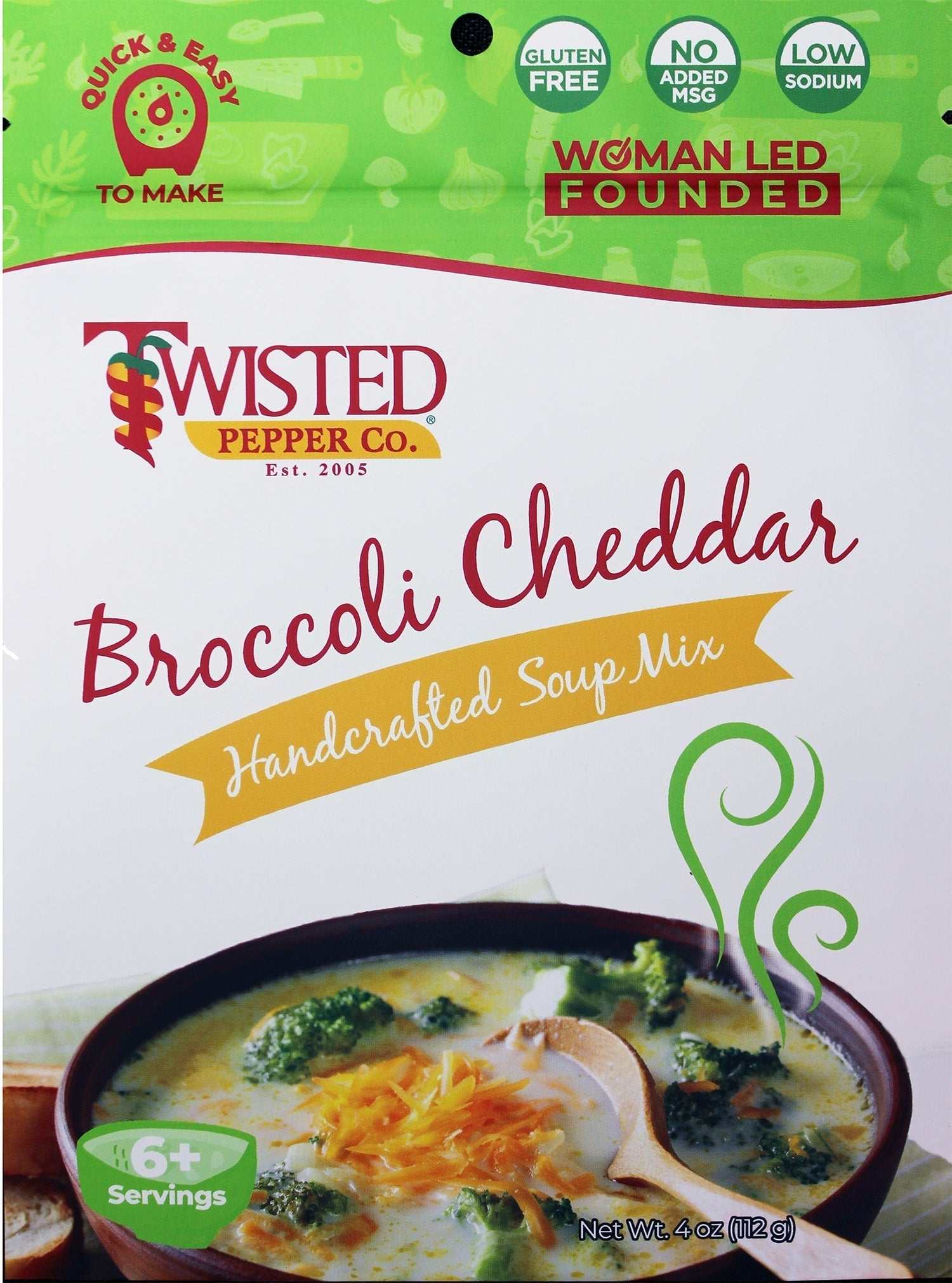
Many packaged seasonings are high in sodium, so swapping them for simple herb and spice blends can help you control salt. You can also find a ready-made clean-label soup mix that replaces packets with herbs instead of salt.
Try these easy swaps:
- Replace salt-heavy seasoning packets with herb blends.
- Use garlic, lemon zest, and black pepper for chicken.
- Finish vegetables with a squeeze of lemon and fresh herbs.
If you want ready-made options, look for low sodium chicken seasoning recipes that rely on herbs instead of salt. Our Broccoli Cheddar Dry Soup Mix is also low sodium and gluten free. Broccoli Cheddar Dry Soup Mix is ready in about 30 minutes with water, milk, and broccoli.
Handling Picky Eaters and Different Family Preferences
Picky eating is common, especially between ages two and six, and it usually peaks as children test independence. A child may need several tries with a food before accepting it, so a single rejected bite is not a failure. As children grow more comfortable trying unfamiliar foods, families can make those choices more sustainable by buying organic food on a budget.
Use a division-of-responsibility approach: you decide what food is served and when, and the child decides whether and how much to eat from what is offered. In practice, that means serving one new food alongside two or three familiar ones, placing everything on the table, and not commenting on how much anyone eats.
Useful phrases that keep the tone neutral:
- "This is on the table tonight. You can take as much or as little as you like."
- "You don't have to eat it. You can just smell it or touch it."
- "I'm not going to make you finish, and I'm not going to make a different dinner."
For teens, the approach shifts toward autonomy. Give them a say in one or two family meals each week, such as choosing a dinner from a shortlist you approve or cooking a meal once a week with a budget and a list of constraints.
When family members have different needs, such as a vegetarian, a child with a food allergy, or someone following a medically prescribed diet, build one base meal and add the variations at the table. A taco bar, grain bowl, or soup station lets each person assemble their own plate. For allergies, keep the allergen-free ingredients separate, use dedicated utensils, and label serving dishes clearly. For cultural or religious dietary practices, ask the family member directly which foods they keep or avoid rather than assuming.
Watch out: if a child refuses an entire food group for several weeks or shows weight loss, talk with the pediatrician rather than continuing to adjust meals alone.
Browse easy gluten free dip recipes for parties for shared-plate ideas that let each person choose their own dippers.
Stocking Your Kitchen for Your First Clean Family Week
Start with a simple shopping plan for seven days:
- Fresh vegetables for three dinners
- Fruit for snacks
- Whole grain bread or oats
- Eggs or a lean protein
- Plain yogurt
- Herbs and spices
- One seasoning or soup mix for quick meals
Keep a cooked grain and a bowl of cut vegetables ready in the fridge. These make weeknight dinners faster.
Our Chicken Noodle Dry Soup Mix is a good first-week option. It is gluten free and MSG free, and it serves 10 for $9.99. Pair it with rotisserie chicken and carrots for a meal in about 30 minutes.
Clean eating for your family starts with small, steady changes. Pick one swap this week and build from there. For more family-friendly seasonings and soup mixes, visit Twisted Pepper Co. and find a few favorites to start with.
Frequently Asked Questions
How do I transition my family to clean eating?
Start with one change per week, such as swapping sugary drinks for water or adding a vegetable to dinner each night. Involve children in choosing recipes and shopping so they feel ownership. Keep familiar favorites on the menu while you gradually replace refined and packaged foods with whole-food versions. Most families find that small, consistent steps last longer than an abrupt overhaul that everyone resents within a week.
How long does it take a family to adjust to new eating habits?
There is no fixed timeline, but most families need several weeks before new meals feel routine. Children often need repeated exposure to a new food before accepting it. Keep portions of new foods small, serve them alongside accepted favorites, and avoid pressure at the table. Track what works for your household and adjust the pace rather than forcing a single schedule on everyone.
Is clean eating affordable for a family?
It can be, especially if you plan meals around a weekly shopping list and buy seasonal produce. Cooking in batches and using leftovers reduces waste. Pre-mixed seasonings such as Twisted Pepper Co.'s Garden Veggie Dip Mix or Broccoli Cheddar Dry Soup Mix can also replace several separate pantry items.
How can I handle picky eaters during the switch?
Offer new foods in low-pressure ways, such as letting children build their own plates or dip raw vegetables into a familiar sauce. Pair one unfamiliar food with one they already like. Let kids help wash produce or choose between two healthy options to build buy-in. Serve the same meal to everyone without separate cooking, and accept that some resistance is normal during the first few months.
