

Healthy Low Sodium Chicken Seasoning Recipes to Try
Table of Contents
- Why Low Sodium Chicken Seasoning Matters
- The Best Herbs and Spices for Low Sodium Chicken
- Salt-Free Chicken Rub Recipes You Can Make at Home
- How to Reduce Sodium in Chicken Dishes
- Pairing Your Seasoning With the Right Cooking Method
- Storing Your Low Sodium Blends and Rubs
- Frequently Asked Questions
Last Updated: September 11, 2026
Why Low Sodium Chicken Seasoning Matters
Most of the sodium in a chicken dinner comes from what you shake on top, not the bird. This guide from Twisted Pepper Co. shows how to build healthy low sodium chicken seasoning recipes that deliver real flavor while keeping sodium in check.
A skinless chicken breast contains roughly 60-70 milligrams of sodium naturally (fdc.nal.usda.gov). A single teaspoon of table salt contains about 2,300 milligrams. That's the entire daily limit recommended by the FDA's sodium guidance, poured on in under two seconds. When you season chicken by habit, you can easily triple or quadruple the sodium content of the dish without noticing.
Low sodium chicken seasoning is any blend of herbs, spices, and aromatics that flavors poultry without relying on salt as the primary ingredient. The goal isn't bland food, it's shifting the flavor work from sodium to spices that bring their own character.
How Sodium Adds Up in Chicken Dishes
Sodium sneaks into chicken recipes through three channels: added salt, processed ingredients, and store-bought seasoning blends.
- Table salt: roughly 2,300 mg per teaspoon
- Soy sauce: high sodium per tablespoon
- Bottled marinades: often salt-forward
- Pre-mixed poultry seasoning: varies widely by brand
The American Heart Association's sodium resources note that most adults consume far more sodium than the recommended daily limit, and much of it comes from seasoning and processed foods rather than the salt shaker alone.
Control the seasoning blend and you control the sodium, the premise behind making your own low sodium chicken seasoning at home.
The Best Herbs and Spices for Low Sodium Chicken
The best herbs for low sodium cooking have intense natural oils: garlic powder, onion powder, smoked paprika, dried thyme, dried oregano, and cayenne pepper. They deliver aroma and depth with zero sodium.
Garlic and onion powder form the backbone of most salt-free blends, adding savory richness that mimics salt's satisfaction. Smoked paprika contributes a smoky, almost meaty quality, while thyme and oregano bring earthy notes that pair naturally with poultry.
Aromatic Spices That Build Depth
Aromatic spices do the heavy lifting when salt is off the table, creating layers of flavor your palate reads as "complete" without sodium.
- Smoked paprika: smoky, slightly sweet, adds color
- Cayenne pepper: heat that distracts from missing salt
- Cumin: warm, earthy, great for taco-style chicken
- Black pepper: sharp bite, essential in any blend
- Citrus zest: bright, aromatic, cuts through richness
Citrus zest deserves special attention: lemon or lime zest adds a brightness many mistake for saltiness, making it one of the most underused tools in low sodium cooking.
Salt-Free Chicken Rub Recipes You Can Make at Home
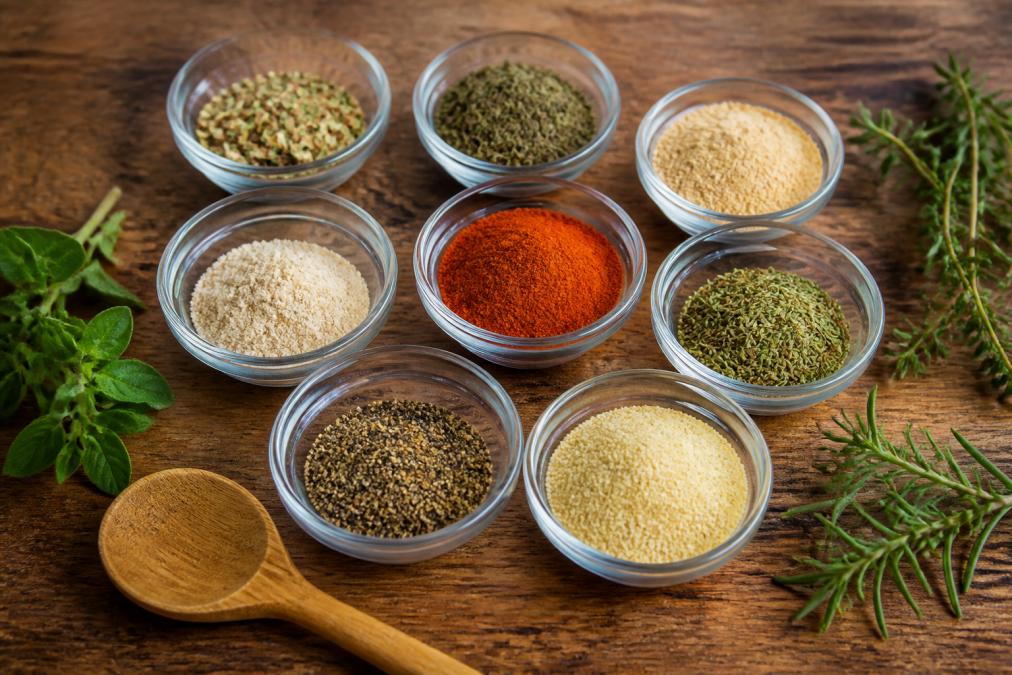
A good salt-free chicken rub follows a simple ratio: three parts base spices, one part aromatic, one part heat, and a pinch of something bright. Learn it and you can build endless variations.
Classic Herb Blend
- 2 tbsp garlic powder
- 1 tbsp onion powder
- 1 tbsp dried thyme
- 1 tbsp dried oregano
- 1 tsp black pepper
- 1 tsp smoked paprika
Smoky Southwest Blend
- 2 tbsp smoked paprika
- 1 tbsp cumin
- 1 tbsp garlic powder
- 1 tsp cayenne pepper
- 1 tsp onion powder
Lemon Herb Blend
- 2 tbsp garlic powder
- 1 tbsp dried thyme
- 1 tbsp dried oregano
- Zest of one lemon, dried
- 1 tsp black pepper
Mix each blend in a small bowl, then store in an airtight jar. These rubs work on boneless skinless chicken breast, thighs, and whole birds alike.
If you'd rather skip the measuring, Twisted Pepper Co.'s Tuscan Roasted Garlic Seasoning is a low sodium, gluten-free blend that works on chicken, veggies, and more. Mix one to two tablespoons with a quarter cup of olive oil for an instant marinade.

How to Reduce Sodium in Chicken Dishes
Reducing sodium in chicken dishes comes down to three moves: replace salt with aromatic spices, swap high-sodium ingredients for low-sodium alternatives, and season in layers.
Step 1: Build a salt-free base. Start every chicken dish with garlic, onion, and pepper before anything else touches the pan.
Step 2: Add acid and brightness. Lemon juice, lime juice, or vinegar trick your palate into perceiving more flavor intensity.
Step 3: Use umami-rich ingredients. Mushroom powder, tomato powder, and nutritional yeast add savory depth that reduces the need for salt.
Step 4: Season in stages. Apply half your seasoning before cooking and half after, spreading flavor across the entire bite instead of concentrating it on the surface.
Step 5: Taste before adding anything else. Most people salt out of habit, not need.
Sodium-to-Flavor Conversion Chart
Use this chart to swap high-sodium seasonings for low sodium alternatives without losing flavor.
| Instead of | Sodium Level | Use This | Flavor Match |
|---|---|---|---|
| Table salt | Very high | Garlic powder + onion powder | Savory base |
| Soy sauce | High | Coconut aminos or balsamic | Umami, tang |
| Bottled marinade | High | Olive oil + herb blend | Herbal, rich |
| Seasoned salt | High | Smoked paprika + thyme | Smoky, earthy |
| Bouillon cube | High | Mushroom powder + herbs | Deep savory |
This conversion approach is the core of how to reduce sodium in chicken dishes without sacrificing taste. The goal isn't eliminating salt, it's making every bit of sodium count.
Pairing Your Seasoning With the Right Cooking Method
Different cooking methods call for different seasoning strategies, a rub that shines on the grill may disappear in a braise. Heat, moisture, and time pull flavor compounds from spices at different rates, and salt-free blends are more sensitive to those variables than salt-forward ones.
Here's how to match your blend to the method.
Oven-Baked (375°F to 425°F)
Dry, radiant heat concentrates flavors and browns surface spices fast, so use an oil-based rub the spices can dissolve into. A paprika-heavy blend works well on boneless skinless chicken breast because paprika's sugars caramelize into a deeper crust.
- Pat the chicken dry, brush with a thin layer of olive oil, then apply the rub.
- Roast at 425°F for 20 to 25 minutes for a 6-ounce breast, until the internal temperature reaches 165°F.
- Expect the garlic and onion powders to mellow and the paprika to intensify. If your blend tastes sharp raw, it will taste rounder after roasting.
Grilled (Direct Heat, 400°F to 450°F)
Char adds its own smoky, bitter notes, so go lighter on seasoning. Choose blends with smoked paprika and cayenne, and avoid heavy oregano or thyme, those herbs scorch and turn acrid over open flame.
- Apply the rub 20 to 30 minutes before grilling so the spices hydrate slightly and stick.
- Grill over direct heat for 6 to 8 minutes per side for a breast, or 8 to 10 minutes per side for bone-in thighs.
- If your blend contains citrus zest, save half of it for a finishing sprinkle after the chicken comes off the grill. Zest oils are volatile and burn off fast.
Pan-Seared (Medium-High, 375°F to 400°F in the Pan)
Herb-forward blends like thyme and oregano hold up to high heat because their flavor compounds are more heat-stable than those in ground chili powders. Here, a simple garlic-thyme-oregano blend outperforms a complex smoky rub.
- Heat the pan first, then add oil, then add the chicken. Adding spices to a cold pan gives them time to burn before the meat sears.
- Sear 4 to 5 minutes per side without moving the chicken. The crust that forms is your flavor anchor.
- Deglaze the pan with a splash of low sodium chicken broth or white wine to lift the browned spices into a quick pan sauce.
Poached or Steamed (Gentle, 160°F to 180°F Liquid)
Gentle methods need brighter seasoning because the cooking liquid dilutes water-soluble flavor compounds. Citrus zest, fresh herbs, and black pepper work better than heavy spice blends, which turn muddy in moist heat.
- Add aromatics directly to the poaching liquid: a few sprigs of thyme, a bay leaf, sliced garlic, and strips of lemon zest.
- Poach a breast for 12 to 15 minutes at a bare simmer. Do not boil, boiling toughens the meat and drives off the volatile aromatics you just added.
- Finish with a squeeze of fresh lemon and a pinch of flaky sea salt substitute if you use one. The acid replaces the brightness that salt would normally provide.
Air Fryer (375°F to 400°F, High Convection)
Air frying is the most seasoning-hungry method: fan-driven heat strips surface moisture and blows loose powder off the chicken. The fix is a wet rub or light oil binder.
- Toss chicken pieces with a teaspoon of oil per breast, then apply the rub.
- Cook at 380°F for 12 to 15 minutes, flipping once at the halfway point.
- Blends with a higher proportion of garlic and onion powder adhere better than coarse herb blends, which tend to blow around the basket.
Slow Cooker (Low, 6 to 8 Hours)
Long, moist heat breaks down dried herbs and flattens blends by hour six. Compensate with a second layer of seasoning at the end.
- Apply a dry rub to the chicken before it goes in the crock.
- Add half of your intended acid (lemon juice, vinegar, or a splash of coconut aminos) at the start and half in the last 30 minutes.
- Finish with fresh herbs or citrus zest right before serving to restore the top notes that cooked off.
For a versatile option, Twisted Pepper Co.'s Garlic Jalapeno Seasoning is an award-winning, low sodium dry rub that works on chicken, seafood, and vegetables. Press it onto the meat and refrigerate for 20 minutes before cooking to let the flavor absorb.

Storing Your Low Sodium Blends and Rubs
Homemade spice blends stay fresh six to twelve months when stored properly; the enemies are heat, light, moisture, and air. But low sodium blends face a problem salted commercial blends don't: salt is a natural desiccant and antimicrobial, so without it your blend is more vulnerable to clumping and moisture damage. That's why store-bought seasonings rely on anti-caking agents like silicon dioxide or calcium silicate, and why a clean-label homemade blend needs a different preservation strategy.
The Clean-Label Preservation Playbook
You don't need anti-caking agents to keep a salt-free blend free-flowing, you need to control moisture and oxygen. Here's what works.
- Use a desiccant packet. Food-grade silica gel packets or clay desiccant packs placed inside the jar absorb ambient moisture and keep powders loose. They are inexpensive, reusable after oven-drying, and contain nothing that touches your food.
- Add a natural anti-caking partner. A small amount of cornstarch, arrowroot powder, or ground white rice (about 1 teaspoon per half-cup of blend) absorbs moisture and prevents clumping without any synthetic additive. Ground white rice is the traditional Japanese method and adds no flavor.
- Skip the salt substitute trap. Many low sodium blends use potassium chloride as a salt replacer. Potassium chloride is more hygroscopic than table salt, meaning it pulls moisture from the air faster and clumps harder. If your blend contains it, store it with a desiccant packet and use it within three months.
- Vacuum-seal for long storage. If you make large batches, vacuum-sealing in mason jars or bags removes the oxygen that oxidizes volatile oils. A vacuum-sealed blend can hold peak flavor for 18 months instead of 6 to 12.
Jar, Lid, and Location
Store blends in airtight glass jars away from the stove. A cabinet near the oven seems convenient, but temperature swings degrade the oils that give spices flavor. Keep jars cool and dark instead, ideally below 70°F and out of direct sunlight.
Glass beats plastic because it doesn't absorb odors or react with the acidic oils in citrus zest or chili powder. A dark amber or cobalt jar adds light protection.
Shelf Life by Ingredient Type
Not every component ages at the same rate. Build your rotation schedule around the fastest-degrading ingredient.
- Ground spices (garlic powder, onion powder, cumin, paprika): 6 to 12 months at peak flavor. Paprika and cayenne lose color and heat first.
- Dried herbs (thyme, oregano, rosemary): 6 to 12 months. Crush a leaf between your fingers, if it does not release aroma, it is spent.
- Citrus zest: 3 months. Dried zest loses its brightness faster than any ground spice because the volatile oils evaporate quickly.
- Mushroom powder and nutritional yeast: 3 to 6 months. These umami-rich ingredients absorb moisture aggressively and go stale or clump faster than dry spices.
- Blends containing potassium chloride: 3 months, stored with a desiccant.
Label each jar with the blend name and date. Spices don't spoil dangerously, but they lose potency, two-year-old garlic powder won't make you sick, but it won't taste like much either.
Reviving a Clumped or Faded Blend
If your blend has clumped but still smells potent, spread it on a sheet pan and warm it at 150°F for 5 to 10 minutes to drive off moisture, then break up clumps with the back of a spoon. Don't microwave it, the heat is uneven and can scorch the spices. If the blend smells flat, toss it, note the date, and shorten your next batch size.
Twisted Pepper Co. ships its handcrafted, gluten-free seasonings fast to your door, so you always have a fresh blend on hand. The Jalapeno Lime Seasoning is a customer favorite for chicken and pork, and doubles as a dip mixed with plain yogurt and cream cheese.

Frequently Asked Questions
What is the best low-sodium chicken seasoning?
The best low-sodium chicken seasoning combines garlic powder, onion powder, smoked paprika, dried thyme, and dried oregano. These herbs and spices deliver bold flavor without added salt. For a convenient option, Twisted Pepper Co.'s Tuscan Roasted Garlic Seasoning at $6.99 is low sodium, gluten-free, and contains no MSG added. A good rule is to use about 1 teaspoon per 8 ounces of chicken, adjusting to taste.
How do you season chicken without sodium?
Season chicken without sodium by building layers of flavor with herbs, spices, citrus zest, and acids. Start with a base of garlic powder, onion powder, and smoked paprika, then add dried thyme or oregano. A squeeze of lime or lemon juice adds brightness. Let the seasoning sit on the chicken for 20 minutes before cooking so the flavors absorb. This method works for salt-free chicken rub recipes on grilled, baked, or pan-seared chicken.
Can you use herbs to replace salt in chicken seasoning?
Yes, herbs can replace salt in chicken seasoning when you use enough of them and combine several types. Dried thyme, oregano, rosemary, and basil each bring distinct notes. To match the flavor punch of salt, use about 1 teaspoon of dried herbs per pound of chicken. Pair herbs with garlic powder, onion powder, or cayenne pepper for a fuller flavor profile. Fresh herbs work too, but use roughly three times the amount.
What are the best spices for a heart-healthy chicken rub?
The best spices for a heart-healthy chicken rub include garlic powder, onion powder, smoked paprika, cayenne pepper, dried thyme, and dried oregano. These add flavor without sodium and some, like garlic and cayenne, have anti-inflammatory properties. Combine them in equal parts for a balanced dry seasoning blend. For a shortcut, Twisted Pepper Co.'s Garlic Jalapeno Seasoning at $10.49 is low sodium, gluten-free, and award-winning.
Managing sodium in your cooking doesn't mean settling for bland chicken. It means taking control of the seasoning yourself, choosing herbs and spices that build real flavor, and using blends made with your health in mind. Twisted Pepper Co. makes that easier with handcrafted, gluten-free, low sodium seasonings like the Tuscan Roasted Garlic and Savory Italian blends, all shipped fast to your door. Get started with Twisted Pepper Co. and season your next chicken dinner with confidence.