

Versatile Seasoning Blends for Creative Home Cooks
Table of Contents
- Why Versatile Seasoning Blends Transform Your Kitchen
- Essential Pantry Spices for Every Home Cook
- Low Sodium Diet Flavor Tips: Building Blends Without the Salt
- Easy 30-Minute Meal Seasoning Ideas with Handcrafted Blends
- Creating Your Own Seasoning Blends: Flavor Profiles and Ratios
- Storage, Freshness, and Potency: Keeping Blends at Peak Flavor
- Global Spice Blend Inspirations for Everyday Cooking
- Troubleshooting Flavor Imbalances in Your Blends
Last Updated: August 30, 2026
Why Versatile Seasoning Blends Transform Your Kitchen
The difference between a forgettable weeknight dinner and one your family actually asks for often comes down to seasoning. Not salt alone, but thoughtfully crafted versatile seasoning blends that work across multiple dishes, cuisines, and cooking methods. At Twisted Pepper Co., we've spent years helping home cooks discover how the right blend transforms their entire approach to cooking, turning 30-minute meals into something genuinely memorable.
Most home cooks approach seasoning reactively, grabbing whatever's in the cabinet or relying on salt and pepper alone. Versatile seasoning blends change that equation entirely. These carefully balanced combinations of spices, herbs, and aromatics work across different proteins, vegetables, and preparation styles. The magic is strategic simplicity that gives you flavor depth without managing a dozen jars.
A well-designed blend works on grilled chicken, roasted vegetables, pasta, rice, soups, and dips. This versatility means you buy less, store less, and spend less time deciding what to season with. For busy home cooks aged 35 and up juggling work and family, this is the difference between cooking feeling like a chore and feeling like something you actually enjoy.
Essential Pantry Spices for Every Home Cook
Before building custom blends, you need to understand the building blocks. Every home cook's pantry should include a core set of spices that form the foundation for most versatile seasoning blends.
Cumin is essential, warm, earthy, and works equally well in Latin, Mediterranean, and Indian dishes. Paprika (both sweet and smoked) adds color and depth without heat. Garlic powder and onion powder provide savory backbone. Black pepper remains non-negotiable for layering flavor. Coriander brings subtle citrus notes. Oregano and thyme are your herb anchors for Italian and Mediterranean applications.
Beyond these core six, add cayenne for heat control and chili powder for complexity. These spices form the foundation for creating versatile seasoning blends that handle most cooking scenarios. Buy them in smaller quantities so they stay fresh longer, as spices lose potency over time once opened.
Keep your essential pantry spices in airtight containers away from direct sunlight and heat. A cool, dark cabinet is ideal. Most spices maintain peak potency for 6 months to a year when stored properly (usda.gov). Label everything with the purchase date so you know when to refresh your stock.
Low Sodium Diet Flavor Tips: Building Blends Without the Salt
For anyone managing sodium intake, the challenge is finding seasoning that tastes good without relying on salt to carry flavor. This is where understanding flavor profiles becomes critical.
Layer multiple flavor dimensions instead of relying on salt as your primary seasoning. Garlic powder delivers savory depth. Paprika adds color and subtle sweetness. Cumin brings warmth. Black pepper sharpens perception. Dried herbs like oregano and thyme add complexity that makes your brain register "this tastes like something."
When building your own low-sodium blends, balance sweet, savory, and sharp elements. A small amount of sugar rounds out flavors and makes them feel complete (peer-reviewed research). Acid in the form of lemon zest or dried citrus adds brightness. Heat from cayenne or black pepper sharpens perception. Together, these create a flavor experience that feels full and satisfying without relying on sodium.
| Flavor Element | Function | Low-Sodium Options |
|---|---|---|
| Savory | Provides depth | Garlic powder, onion powder, umami spices |
| Sweet | Rounds flavors | Sugar, paprika, coriander |
| Sharp | Adds brightness | Black pepper, citrus zest, dried herbs |
| Heat | Sharpens perception | Cayenne, chili powder, black pepper |
Easy 30-Minute Meal Seasoning Ideas with Handcrafted Blends
The promise of a good seasoning blend is that it simplifies cooking. You're not juggling multiple jars or trying to remember ratios.
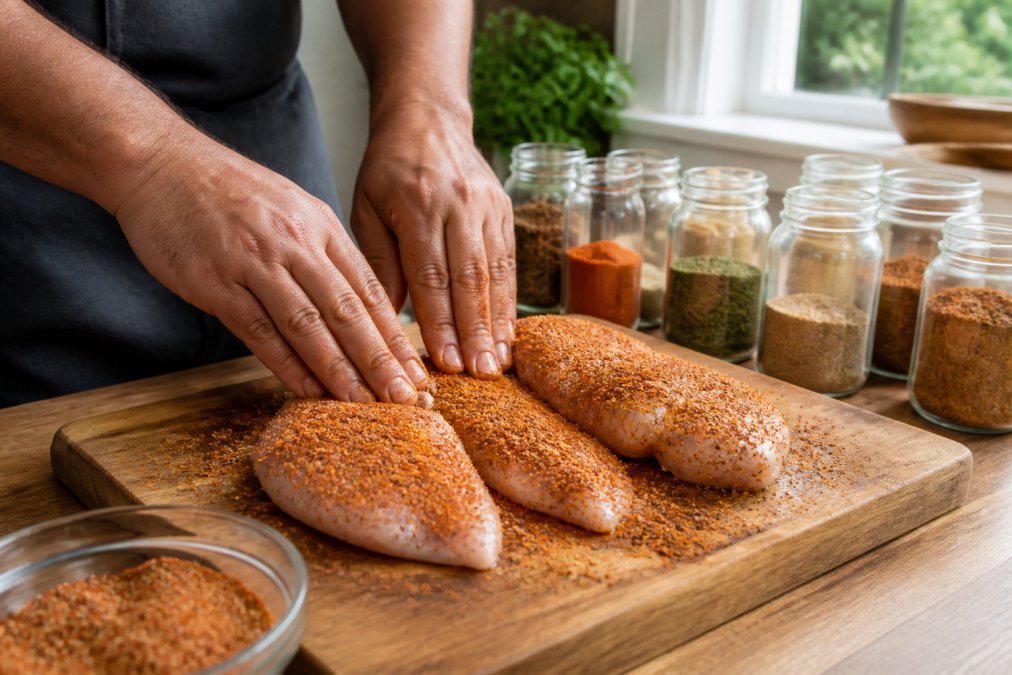
Grilled Chicken with Tex-Mex Flair: The Tex-Mex Seasoning Mix delivers sizzling tangy flavor in minutes. Pat chicken dry, coat generously with the blend, and grill over medium-high heat for 6-7 minutes per side. The blend's chile powders and cumin create depth that tastes like you've been cooking for hours.

Sheet Pan Fajitas: Slice bell peppers and onions, toss with oil and Fajita Seasoning, spread on a sheet pan alongside sliced chicken or shrimp. Roast at 425°F for 12-15 minutes. The seasoning does the heavy lifting without additional sauces.

Roasted Vegetables: Toss any combination of vegetables with olive oil and a versatile seasoning blend. Roast at 425°F for 20-25 minutes. The blend's spices caramelize slightly during roasting, intensifying flavor and transforming vegetables into something people actually want to eat.
Pasta and Protein: Cook pasta, sauté protein in a skillet, add the pasta and a tablespoon of your chosen blend with a splash of pasta water. Toss for 2-3 minutes. The starch helps the spices coat everything evenly. premium finishing sauces.
Soup and Bean Applications: Add your blend early in the cooking process so flavors meld with the beans themselves. A tablespoon of blend per two cups of dried beans is a good starting point.
The consistent thread: the blend does the work. You're not layering multiple seasonings or making judgment calls about balance.
Creating Your Own Seasoning Blends: Flavor Profiles and Ratios
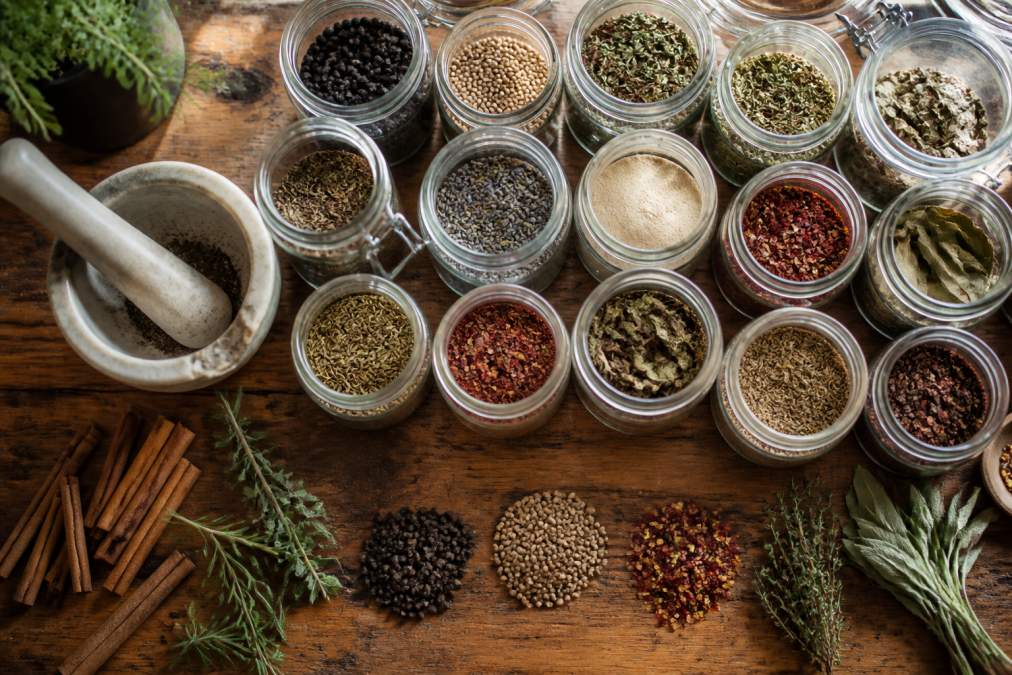
Building your own versatile seasoning blends isn't complicated once you understand the structure. Every blend follows a basic ratio: you need a savory base, flavor enhancers, and brightness elements.
Savory vs. Herb-Forward: Understanding Flavor Balance
A savory blend leads with spices like cumin, coriander, and garlic powder. An herb-forward blend emphasizes dried herbs like oregano, thyme, basil, and parsley. Savory blends are more versatile across proteins and cooking methods. Herb-forward blends shine on lighter preparations, salads, fish, and delicate proteins.
Most home cooks benefit from having both types in their pantry. The Twisted Pepper Co. approach includes both Savory Italian Seasoning for hearty applications and Tuscan Roasted Garlic Seasoning for more delicate dishes, proving that balance matters.

Customizing Spice Ratios for Your Taste
The standard ratio for building a blend is roughly 40% primary spice, 30% secondary spices, 20% herbs, and 10% finishing elements. But this is a starting point, not a rule. Your preferences matter.
If you love garlic, increase garlic powder. If heat is important, bump cayenne up. If you prefer subtle seasoning, reduce quantities across the board. Start with small batches in a 4-ounce mason jar, taste it on plain rice or bread, and adjust. Write down what you did so you can replicate successful blends.
Storage, Freshness, and Potency: Keeping Blends at Peak Flavor
The most common mistake home cooks make with homemade blends is poor storage. Airtight glass jars with tight-fitting lids work best. Label everything with the date you created the blend. Most homemade blends stay at peak potency for 3-4 months (peer-reviewed research).
Keep blends away from heat, light, and moisture. A cool, dark cabinet is ideal. Never store spices above the stove or near windows where temperature fluctuates. Never use wet spoons to scoop from your blend; use a dry spoon every time.
Test potency by sprinkling a small amount on your palm and smelling it. If the aroma is faint, the blend has lost potency. When a blend loses power, use it in applications where potency matters less, like soups and slow-cooked dishes where flavors have time to develop.
Global Spice Blend Inspirations for Everyday Cooking
The world's most successful cuisines have already solved the versatile seasoning problem. These blends have been refined over generations for exactly the reason you need them: they work across multiple dishes.
Mediterranean blends (oregano, thyme, basil, garlic, lemon zest) work on fish, chicken, vegetables, and pasta. The Mediterranean Seasoning approach proves this versatility.
Tex-Mex blends (cumin, chili powder, garlic, oregano, paprika) handle grilled meats, beans, rice, and vegetables.
Indian-inspired blends (cumin, coriander, turmeric, ginger, cardamom) work on proteins, vegetables, grains, and legumes.
Middle Eastern blends (sumac, cumin, coriander, thyme, sesame) brighten vegetables, grains, and proteins with citrus notes.
Asian-inspired blends (ginger, garlic, white pepper, star anise, Sichuan pepper) add complexity to stir-fries, noodles, and proteins.
These global blends work across applications because of strategic balance. They combine warm spices, bright elements, savory depth, and often a touch of heat, creating complexity that feels complete on its own.
Troubleshooting Flavor Imbalances in Your Blends
Even experienced home cooks create blends that don't quite work. Understanding how to diagnose and fix the problem keeps you from wasting ingredients.
Blend tastes flat: You're missing brightness. Add citrus zest, increase black pepper, or add more herbs.
Blend tastes too salty: Check ingredient labels on spice blends you're using as components. Garlic salt and onion salt are common culprits. Switch to garlic powder and onion powder instead.
Blend tastes bitter or harsh: You've likely over-toasted spices or used too much of a strong spice. Cut back on quantities and taste again.
Blend lacks depth: Add garlic powder, onion powder, or umami-building spices like coriander.
Blend feels one-note: Your spices might not be fresh. Refresh your core pantry spices and rebuild the blend.
The most important troubleshooting tool is tasting as you go. Taste blends on plain rice or bread to hear what the spices are actually doing without other flavors competing.
| Problem | Likely Cause | Solution |
|---|---|---|
| Flat flavor | Missing brightness | Add citrus zest or increase black pepper |
| Too salty | Over-salted or salt-containing spices | Use powder forms instead of salted versions |
| Bitter taste | Over-toasted or excessive strong spices | Reduce quantities of cumin, coriander |
| Lacks depth | Insufficient savory elements | Add garlic powder, onion powder |
| One-note despite variety | Stale spices | Refresh core pantry spices |
Creating versatile seasoning blends transforms how you approach cooking. You move from reaching for salt and pepper to having thoughtfully balanced options that work across proteins, vegetables, and cuisines. The investment is minimal, a few quality spices and some experimentation. The payoff is significant: faster weeknight cooking, better-tasting food, and the confidence that comes from knowing your seasoning is doing the work for you.
At Twisted Pepper Co., we've built our entire approach around this principle. Our handcrafted blends prove that versatility and flavor aren't mutually exclusive. Whether you're building your own blends or discovering ours, the goal is the same: making your 30-minute meals taste like you spent hours in the kitchen. Shop Now and discover how the right seasoning blend transforms your cooking.
Frequently Asked Questions
Q: What makes a seasoning blend truly versatile for different cuisines?
A: A versatile seasoning blend balances multiple flavor dimensions: savory, aromatic herbs, and subtle heat. Blends that work across cuisines typically feature foundational spices like cumin, garlic, and paprika, which pair naturally with proteins, vegetables, and grains worldwide. The key is avoiding single-note dominance, blends with layered flavors adapt to Italian pasta, Mexican fajitas, or Mediterranean fish without tasting one-dimensional. Handcrafted blends like Tex-Mex Seasoning Mix ($9.50) achieve this balance by combining chiles, cumin, and aromatic herbs that enhance rather than overpower.
Q: How can I use low sodium diet flavor tips to create satisfying seasoning blends?
A: Replace salt with aromatic ingredients that deliver impact: toasted garlic, dried citrus zest, smoked paprika, and ground spices like coriander and cumin. These create savory notes and umami depth without sodium. Dried herbs like oregano and thyme add complexity. When making blends, measure salt-free alternatives first, then taste before adjusting. Twisted Pepper Co.'s low-sodium options prove you don't sacrifice flavor, their Jalapeno Lime Seasoning ($10.49) delivers bright, bold taste with minimal sodium.
Q: What easy 30-minute meal seasoning ideas work best for weeknight cooking?
A: Dry rubs applied 15-20 minutes before cooking maximize flavor absorption without extending cook time. Mix your blend with oil to create a paste, coat proteins or vegetables, and let them rest while your pan heats. Fajita Seasoning ($10.00) works this way, coat sliced chicken or beef, sauté for 5-7 minutes, and serve. For sheet pan meals, toss vegetables with seasoning and roast at 425°F for 20-25 minutes. Marinades using seasoning blends with citrus juice or vinegar add depth in minimal time. The Spicy All Purpose Seasoning ($10.49) works on grilled proteins, roasted vegetables, or even scrambled eggs for breakfast.
Q: How do I test the shelf-life and potency of homemade seasoning blends?
A: Store blends in airtight glass jars away from heat and light, a cool pantry is ideal. Potency peaks within 3-6 months; after that, aromatic oils fade and flavors flatten. Test potency by smelling the blend: if the aroma is muted, it's losing strength. Taste a pinch on your tongue, fresh blends should deliver immediate flavor impact. Mark jars with creation dates. If your blend tastes dull after a few months, refresh it by adding a small amount of fresh spice to the jar, or make a new batch. Twisted Pepper Co.'s handcrafted blends are designed for optimal freshness when used within their recommended timeframe.
Q: Are there gluten-free and no-MSG seasoning options available for dietary restrictions?
A: Yes. All Twisted Pepper Co. seasonings are gluten-free and contain no MSG, making them safe for celiac disease and MSG sensitivity. Check labels on any blend to confirm these certifications. Most traditional spices and herbs are naturally gluten-free, but cross-contamination during processing is the risk, choosing brands that test for this matters. No-MSG blends rely entirely on spice, herb, and salt flavoring without glutamates. Mediterranean Seasoning ($12.99), Savory Italian Seasoning ($6.99), and Crazy About Dill ($12.99) all meet these dietary needs while delivering gourmet flavor.
This article was written using GrandRanker