

Quick Flavorful Gluten-Free Stir Fries: A 30-Minute Guide
Table of Contents
- What You'll Need: Equipment and Pantry Essentials
- Best Gluten-Free Soy Sauce Substitutes for Stir Fry
- How to Thicken Stir Fry Sauce Without Gluten
- Gluten-Free Stir Fry Sauce Recipe You'll Make Weekly
- Step-by-Step Cooking Instructions for Quick Gluten-Free Stir Fries
- Recommended Vegetables and Protein Options for Stir Fry
- Quick 30-Minute Gluten-Free Dinner Ideas Beyond Basic Stir Fry
- Common Mistakes to Avoid When Making Gluten-Free Stir Fries
- Frequently Asked Questions
Last Updated: September 24, 2026
What You'll Need: Equipment and Pantry Essentials
Creating quick flavorful gluten-free stir fries requires the right tools and ingredients. Equipment choice directly affects cooking speed and texture.
Wok vs. Skillet: Why It Matters for Speed
A wok is superior for quick stir-frying because its curved bottom concentrates heat, recovers temperature faster when cold ingredients are added, and lets you toss with one hand. The slope also channels liquid toward the center for faster evaporation.
For a large skillet (12 inches or wider), use one with a heavy bottom (cast iron or stainless steel with aluminum core). Stir frequently instead of tossing; cooking takes 2-3 minutes longer.
Carbon steel woks (14-inch ideal) offer the best balance of heat retention and weight, heat faster than cast iron, and season over time. Avoid non-stick woks, they can't handle high heat.
Essential Equipment Beyond the Pan
- Sharp knife (8-inch chef's knife): Thin-slicing and julienning takes half the time with a sharp blade.
- Wooden or silicone spoon/spatula: Won't scratch seasoned woks or conduct heat to your hand.
- Small mixing bowls: Prep sauce and thickener slurry separately.
- Measuring spoons and small whisk: Ensure precise measurements and lump-free slurry.
Pantry Essentials for Gluten-Free Stir Fries
Stock these pantry essentials:
- Tamari or certified gluten-free soy sauce (verify label)
- Toasted sesame oil for finishing
- Rice vinegar for brightness
- Cornstarch or tapioca starch for thickening
- Fresh ginger and garlic (or jarred)
- Brown sugar or honey
- High-heat cooking oil (vegetable, peanut, or avocado)
- Red pepper flakes for heat
Best Gluten-Free Soy Sauce Substitutes for Stir Fry
Regular soy sauce contains wheat, so use a gluten-free alternative. Tamari is best, made from soybeans without wheat, it tastes nearly identical to traditional soy sauce with slightly richer flavor and less saltiness.
Other solid gluten-free soy sauce substitutes include:
- Coconut aminos (slightly sweet, lower sodium)
- Liquid aminos certified gluten-free
- Mushroom-based broths for umami without soy
- Reduced-sodium tamari if you're watching salt intake
Tamari and coconut aminos work in most recipes; mushroom broths work best combined with other seasonings. Tamari is closest to traditional soy sauce, while coconut aminos are sweeter, test a small batch first.
How to Thicken Stir Fry Sauce Without Gluten
A glossy, clinging sauce separates mediocre stir fry from excellent. The trick is using the right thickening agent and understanding how each behaves at high heat.
Cornstarch: The Standard Choice
Cornstarch slurry is most reliable. Mix 1 tablespoon cornstarch with 2 tablespoons cold water and whisk smooth. Add to simmering sauce and stir constantly, it thickens in 15-30 seconds. Cold water keeps granules separated so they swell evenly.
Never add slurry to boiling sauce, it clumps. Use a gentle simmer instead.
Tapioca Starch: For Glossier Results
Tapioca starch creates a glossier sauce and holds thickness better when cooled. Use 3/4 tablespoon per 2 tablespoons water (less than cornstarch). Too much creates a rubbery texture. Works best in bold-flavored sauces; avoid for delicate ones.
Arrowroot Powder: The Finicky Option
Arrowroot thickens quickly at low temperatures, making it easy to overshoot. Use 2/3 the amount of cornstarch. It breaks down in acidic sauces (high vinegar) or after sitting an hour. Use only for dietary restrictions and be prepared to adjust by trial and error.
Potato Starch: High-Heat Alternative
Potato starch thickens at higher temperatures than cornstarch, making it more stable in very hot sauces. Use the same ratio as cornstarch (1 tablespoon to 2 tablespoons water) but reduce if it creates a chalky mouthfeel.
Texture Management: The Real Skill
A properly thickened sauce coats the back of a spoon, clings to vegetables without being gloppy, and flows slightly when tilted. If too thin, add slurry gradually. If too thick, add tamari or water 1 tablespoon at a time.
Storage Tip: Thickened Sauces Don't Reheat Well
If you're making stir fry for meal prep, store the sauce separately from cooked vegetables and protein. Thickened sauces break down when reheated (the starch granules rupture and release their liquid). Reheat the components separately and combine the sauce just before serving, or make a fresh batch of sauce when you reheat.
Gluten-Free Stir Fry Sauce Recipe You'll Make Weekly
This master sauce works with any protein and vegetable combination. Make a batch and use it throughout the week.
Master Sauce Base
Combine these ingredients in a small bowl:
- 3 tablespoons tamari or gluten-free soy sauce
- 2 tablespoons rice vinegar
- 1 tablespoon sesame oil
- 1 tablespoon brown sugar or honey
- 1 teaspoon minced fresh ginger
- 1 teaspoon minced garlic
- 1 tablespoon cornstarch mixed with 2 tablespoons cold water
Whisk everything together until the cornstarch slurry is smooth. This base yields enough sauce for about 2 pounds of protein and vegetables.
Flavor Variations
Once you master the base, create variations:
Spicy version: Add 1 teaspoon red pepper flakes or sriracha to the base.
Step-by-Step Cooking Instructions for Quick Gluten-Free Stir Fries
Step 1: Prep Your Ingredients
Chop everything before you start cooking. Vegetables should be cut into uniform, bite-sized pieces. Protein (chicken, beef, shrimp) should be sliced thin or cut into small cubes.
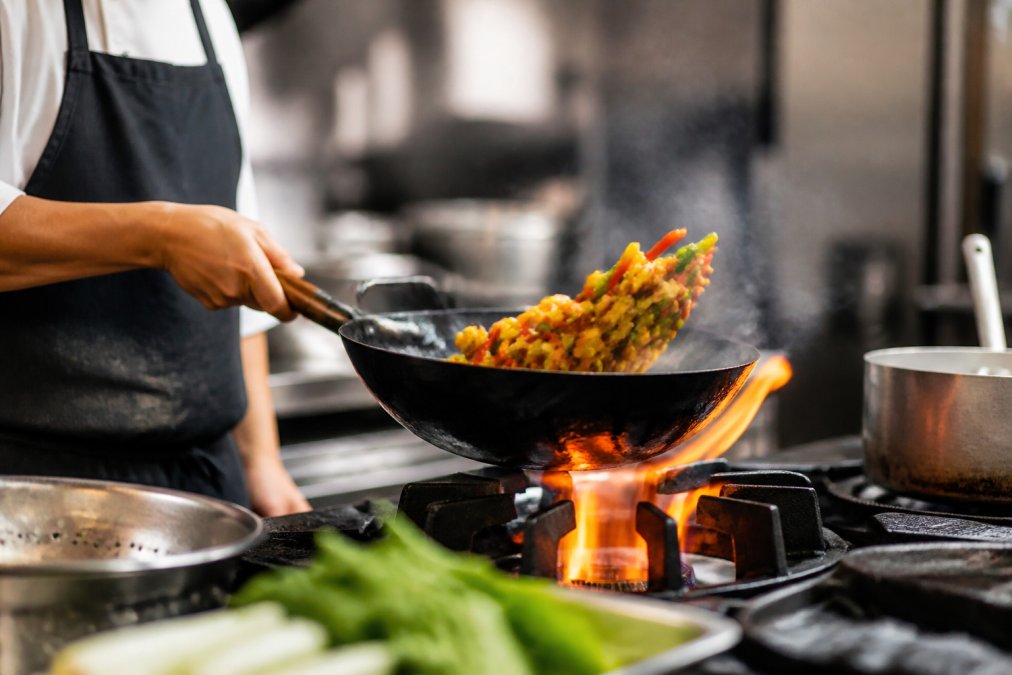
Step 2: Heat Your Wok or Skillet
Place your wok or large skillet over high heat for 2-3 minutes. It should be smoking slightly. Add 1-2 tablespoons of high-heat cooking oil and let it shimmer.
Step 3: Cook Protein First
Add your protein to the hot wok in a single layer. Don't stir for 30-45 seconds. Let it develop a golden crust. Then toss and cook until mostly done (not quite finished, it will continue cooking when vegetables are added).
Step 4: Sauté Aromatics and Vegetables
Add a bit more oil if needed. Toss in minced garlic and ginger. Cook for 30 seconds until fragrant. Add harder vegetables first (carrots, broccoli stems). Cook for 2-3 minutes, then add softer vegetables (bell peppers, snap peas, zucchini).
Step 5: Add Sauce and Finish
Pour your prepared sauce over everything. Stir constantly for 1-2 minutes. The cornstarch slurry will thicken the sauce as it heats. Everything should be coated and glossy.
Recommended Vegetables and Protein Options for Stir Fry
Best Vegetables for Crisp-Tender Texture
Choose vegetables that hold their shape and cook quickly:
- Broccoli florets (cut small)
- Bell peppers (any color)
- Snap peas or snow peas
- Carrots (cut thin or julienned)
- Zucchini (cut into half-moons)
- Green beans (cut into 2-inch pieces)
- Mushrooms (sliced)
- Bok choy (cut into chunks)
Avoid watery vegetables like tomatoes or cucumber, they release liquid and dilute your sauce. Save those for finishing dishes after cooking.
Protein Choices That Cook Fast
Quick-cooking proteins work best for 30-minute meals:
- Chicken breast (thin-sliced, 4-5 minutes)
- Shrimp (2-3 minutes)
- Beef sirloin or flank steak (thin-sliced, 3-4 minutes)
- Pork tenderloin (thin-sliced, 4-5 minutes)
- Tofu (pressed and cubed, 3-4 minutes)
- Eggs (scrambled or in strips, 2-3 minutes)
Thick cuts or tough cuts require longer cooking and won't work in a quick stir fry. Thin slicing is the secret to speed. A sharp knife makes this step easier and faster.
Quick 30-Minute Gluten-Free Dinner Ideas Beyond Basic Stir Fry
Once you've mastered the basic technique, build variations:
Cashew Chicken: Use the master sauce base plus 1/2 cup roasted cashews added at the end. Cook with broccoli, bell peppers, and onions.
Common Mistakes to Avoid When Making Gluten-Free Stir Fries
Overcrowding the wok. Too much food at once drops the temperature and creates steam instead of sear. Cook in batches if needed. This takes extra time but delivers better texture.
Frequently Asked Questions
What is an easy gluten-free stir fry sauce recipe?
Combine 3 tablespoons tamari (or gluten-free soy sauce), 1 tablespoon rice vinegar, 1 tablespoon sesame oil, 1 teaspoon fresh minced ginger, 1 minced garlic clove, and 1 teaspoon honey in a bowl. Whisk together and set aside. For a thicker sauce, mix 1 teaspoon cornstarch or tapioca starch with 1 tablespoon water to create a slurry, then whisk it into the sauce base. This creates umami depth without gluten or MSG, ready to use immediately.
How do you keep vegetables crisp in a stir fry?
Cut vegetables into uniform, bite-sized pieces so they cook evenly. Use high heat and keep stirring constantly to achieve crisp-tender texture rather than soft vegetables. Add harder vegetables like carrots and peppers first, then add softer ones like bell peppers and zucchini toward the end. Avoid overcrowding the wok, which lowers temperature and causes steaming instead of sautéing. Cook in batches if needed to maintain high heat throughout.
What makes gluten-free stir fry taste better?
Build flavor layers using aromatics like fresh ginger and minced garlic sautéed in sesame oil before adding vegetables. Use tamari or other quality gluten-free soy sauce alternatives for umami depth. Add a touch of brown sugar or honey to balance savory and sweet notes. Fresh ingredients matter more than quantity, quality rice vinegar, real sesame oil, and freshly minced garlic create noticeably better flavor than pre-made bottled sauces.
Can I make gluten-free stir fry sauce ahead of time?
Yes, you can batch-cook sauce components and store them separately. Make the base sauce (tamari, vinegar, sesame oil, honey) up to 5 days ahead in an airtight container. Keep fresh ginger and garlic minced and stored separately in the refrigerator. Mix the cornstarch slurry only when you're ready to cook, as it thickens over time. This approach saves prep time on busy weeknights while maintaining fresh flavor profiles.