

MSG-Free BBQ Rub Recipes: Step-by-Step Guide
Table of Contents
- Why Make Your Own MSG-Free BBQ Rub
- Essential Homemade BBQ Rub Ingredients
- Step-by-Step Mixing Instructions for Your Dry Rub
- Low Sodium BBQ Rub Recipe Variations
- Tips for Applying Your Rub and Achieving the Perfect Char
- How to Store Homemade Spice Blends for Maximum Freshness
- Common Mistakes to Avoid When Making BBQ Rubs
- Conclusion
Last Updated: August 12, 2026
Why Make Your Own MSG-Free BBQ Rub
Store-bought rubs often hide MSG under ingredient names like yeast extract, hydrolyzed protein, or natural flavoring. When you make your own MSG-free BBQ rub, you control every single component. No surprises, no additives, just pure flavor from real spices and seasonings.

The real advantage isn't just avoiding MSG. It's about crafting a dry rub that matches your exact taste preferences and dietary needs. Some people need low sodium. Others have gluten sensitivities. A few want to avoid certain heat levels. Homemade blends let you adjust everything.
Twisted Pepper Co. understands this need, which is why their signature BBQ rubs are crafted without MSG and designed for home cooks who refuse to compromise on quality. When you make your own MSG-free BBQ rub, you're joining a growing community of cooks who've discovered that handcrafted seasonings deliver superior results compared to mass-produced alternatives.
Essential Homemade BBQ Rub Ingredients
Building a balanced MSG-free BBQ rub starts with understanding the role each ingredient plays. You need salt for seasoning, spices for heat and complexity, sugar for caramelization, and aromatics for depth. The magic happens when you balance these four elements correctly.
The Salt Foundation
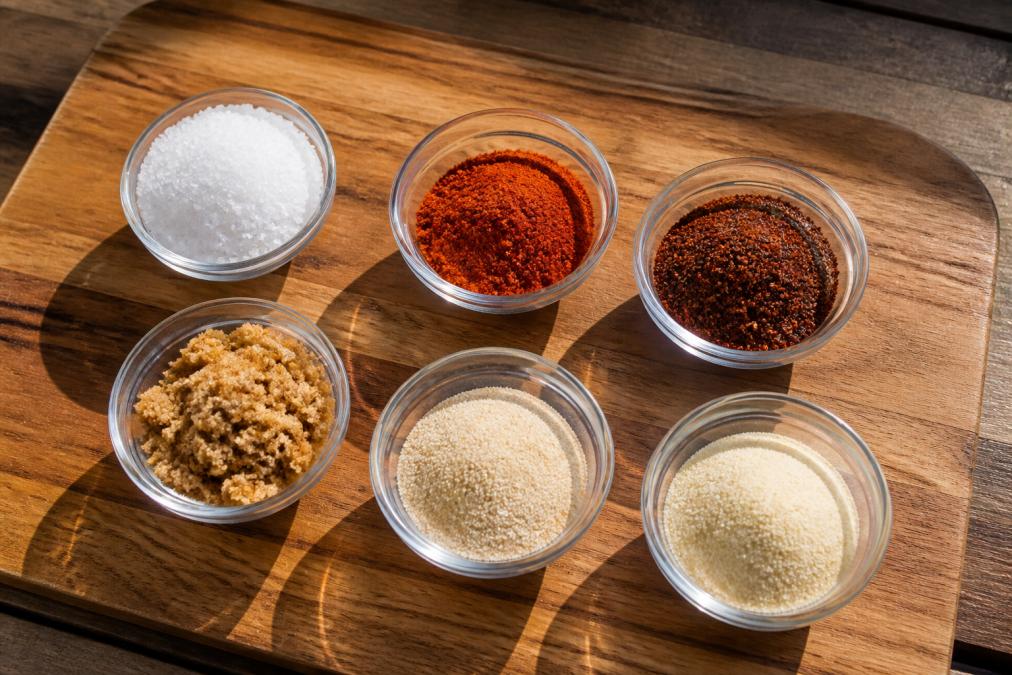
Kosher salt is your base. It's larger crystals dissolve slowly and distribute more evenly than table salt. Use kosher salt, not sea salt or table salt, because it's the industry standard for a reason. The crystal size matters when you're building layers of flavor in a dry rub.
Sea salt works in a pinch, but kosher salt gives you better control over the final seasoning level. A typical MSG-free BBQ rub uses 2-3 tablespoons of kosher salt per cup of other ingredients. This keeps sodium reasonable while still providing the savory backbone your rub needs.
Skip iodized table salt completely. The iodine creates metallic flavors that clash with spices. Kosher salt has none of that interference.
Building Umami Without MSG
Here's where most guides get it wrong. They skip the umami layer entirely, then wonder why their rub tastes flat. Umami is that savory, mouth-filling depth, and you don't need MSG to create it.
Smoked paprika is your secret weapon. It delivers smoky, complex flavor without any chemical additives. Use Spanish smoked paprika (pimentón) for the best results. Two tablespoons per batch creates noticeable depth without overpowering the rub.
Garlic powder and onion powder add umami complexity. These aren't just flavor boosters, they're savory amplifiers. Together, they create the savory profile that MSG tries to mimic artificially. Use 1-2 tablespoons of each.
Ground cumin adds earthiness and another layer of savory complexity. One tablespoon is usually enough. Too much cumin overwhelms the rub.
Heat and Spice Balance
Cayenne pepper brings heat. Start with one tablespoon and adjust upward if you want more fire. Remember: you can always add more heat, but you can't remove it.
Chili powder (the spice blend, not pure chili) adds color, mild heat, and fruity notes. Use 2-3 tablespoons. This is different from cayenne, it's milder and more complex.
Brown sugar is essential for caramelization. When the rub hits heat, the sugar caramelizes and creates that char everyone loves. Use 3-4 tablespoons per batch. The sugar also balances the heat from cayenne and chili powder.
Black pepper adds bite. One tablespoon of freshly ground black pepper (ground fresh, not pre-ground) makes a noticeable difference in complexity.
Step-by-Step Mixing Instructions for Your Dry Rub
Making an MSG-free BBQ rub takes about 10 minutes. The process is simple, but the technique matters.
Step 1: Measure Your Base Spices
Gather all your ingredients before you start mixing. This prevents mistakes and ensures even distribution. Use a kitchen scale or measuring spoons, consistency matters.
For a basic batch, measure:
- 2 tablespoons kosher salt
- 2 tablespoons smoked paprika
- 1 tablespoon garlic powder
- 1 tablespoon onion powder
- 1 tablespoon ground cumin
- 1 tablespoon chili powder
- 1 tablespoon cayenne pepper
- 1 tablespoon black pepper
- 3 tablespoons brown sugar
Pour everything into a small bowl. Don't mix yet.
Step 2: Toast for Enhanced Flavor
This step separates homemade rubs from mediocre ones. Toasting the spices releases their essential oils and deepens their flavor profile.
Heat a dry skillet over medium heat for 30 seconds. Add your measured spices (except the brown sugar, keep that separate). Stir constantly for 60-90 seconds. You're looking for the spices to become fragrant, not burnt. The aroma should be rich and inviting.
Pour the toasted spices into a clean bowl and let them cool for 2-3 minutes. This matters because hot spices can cause brown sugar to clump.
Step 3: Combine and Crush
Add the brown sugar to your cooled spices. Stir thoroughly for 30 seconds. The brown sugar should distribute evenly without clumping.
Use the back of a spoon or a mortar and pestle to crush any lumps gently. You want a consistent texture, no large chunks of brown sugar or salt crystals. This ensures even coating when you apply the rub to meat.
Transfer to an airtight container. Your MSG-free BBQ rub is ready to use immediately, though it develops deeper flavor over 24-48 hours as the spices marry together.
Low Sodium BBQ Rub Recipe Variations
Once you master the basic technique, variations open up. Each of these builds on the foundational method but emphasizes different flavor profiles.
Classic Pork Rub
Pork loves sweetness paired with savory depth. This variation leans into brown sugar and reduces the heat slightly.
- 2 tablespoons kosher salt
- 2 tablespoons smoked paprika
- 1.5 tablespoons garlic powder
- 1 tablespoon onion powder
- 1 tablespoon ground cumin
- 1 tablespoon chili powder
- 0.5 tablespoon cayenne pepper
- 1 tablespoon black pepper
- 4 tablespoons brown sugar
The extra brown sugar creates more caramelization on pork ribs and pork tenderloin. The reduced cayenne keeps heat moderate while the smoked paprika carries the savory load. Twisted Pepper Co.'s Pig Sweat BBQ Rub follows this philosophy, balancing sweetness with savory depth for pork-specific applications.
Apply generously to both sides of ribs or pork chops 30-45 minutes before cooking. The rub will form a flavorful crust during the low and slow cooking process.
Beef-Forward Blend
Beef demands bolder heat and deeper spice complexity. This variation increases cayenne and adds a touch of coffee for earthiness.
- 2 tablespoons kosher salt
- 2 tablespoons smoked paprika
- 1 tablespoon garlic powder
- 1 tablespoon onion powder
- 1.5 tablespoons ground cumin
- 1 tablespoon chili powder
- 1.5 tablespoons cayenne pepper
- 1 tablespoon black pepper
- 1 tablespoon instant coffee powder
- 2 tablespoons brown sugar
The coffee powder adds subtle earthiness without tasting like coffee. It deepens the savory profile and complements beef's rich flavor. Use this on beef brisket, beef ribs, or steak.
Twisted Pepper Co.'s Cow Hide Rub captures this beef-focused approach with increased heat and spice complexity designed specifically for beef applications.

Coffee-Chile Variation
This sophisticated blend combines heat with subtle coffee notes. It works on beef, pork, and even chicken.
- 2 tablespoons kosher salt
- 1.5 tablespoons smoked paprika
- 1 tablespoon garlic powder
- 1 tablespoon onion powder
- 1 tablespoon ground cumin
- 1 tablespoon chili powder
- 1.5 tablespoons cayenne pepper
- 1 tablespoon black pepper
- 1.5 tablespoons instant coffee powder
- 3 tablespoons brown sugar
The coffee-to-chili ratio creates complexity without overpowering. The brown sugar balances the heat and coffee bitterness. This blend works beautifully on ribs, brisket, or pulled pork.
Twisted Pepper Co.'s Coffee Chile Rub delivers this exact profile, blending coffee and chiles twisted to perfection for cooks seeking sophisticated flavor depth.
Tips for Applying Your Rub and Achieving the Perfect Char
How you apply the rub matters as much as the rub itself. Proper application creates an even crust and maximizes caramelization.
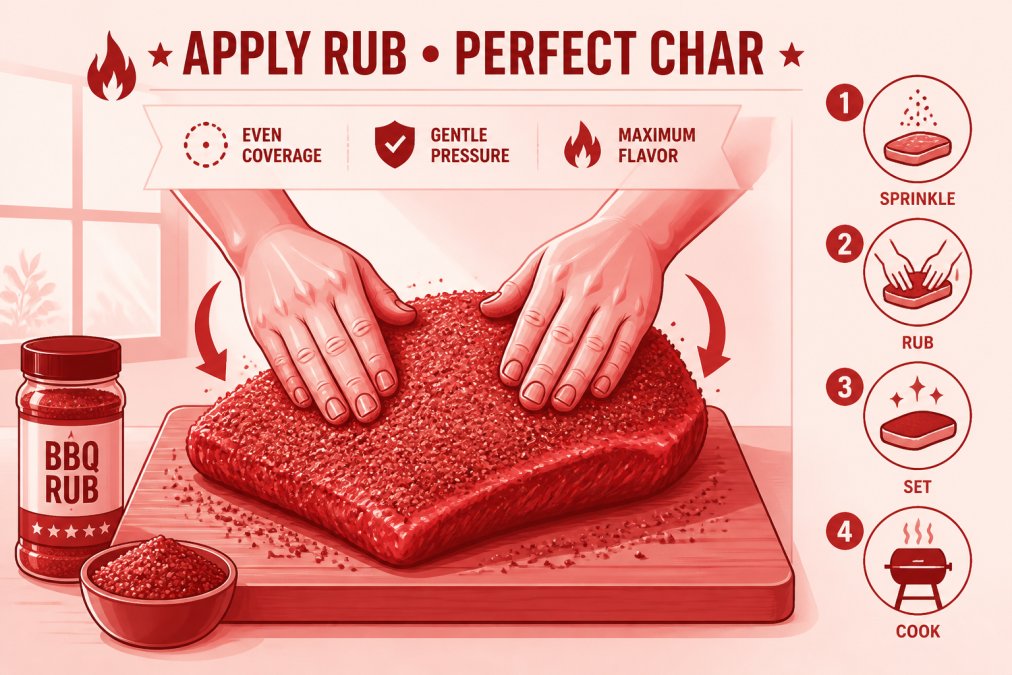
Pat the meat dry with paper towels. Moisture prevents the rub from adhering properly. A completely dry surface lets the spices stick and form a proper crust.
Apply the rub generously, don't be timid. Use about one tablespoon per pound of meat. Massage it into the surface using circular motions. Work the rub into crevices and creases. The goal is complete coverage with no bare spots.
Let the rub sit for 30-60 minutes before cooking. This adhesion period lets the salt begin breaking down the meat's surface and the spices start infusing flavor. Don't let it sit longer than 2 hours, or the salt can over-cure the exterior.
For low and slow cooking, maintain a temperature between 225-250°F. This allows the sugar in your rub to caramelize gradually without burning. The slower cooking process develops deeper flavor and creates the coveted bark, that flavorful, charred crust.
If you're grilling hot and fast, increase your temperature to 350-400°F. Watch for flare-ups from dripping fat. The higher heat creates char quickly but requires attention to prevent burning.
How to Store Homemade Spice Blends for Maximum Freshness
A well-stored MSG-free BBQ rub stays fresh and flavorful for months. Poor storage degrades quality quickly.
Shelf-Stable Storage Methods
Glass jars with airtight lids are ideal. Avoid plastic, spice oils can degrade plastic over time. Mason jars work perfectly and cost just a few dollars.
Store in a cool, dark place. Heat and light degrade spices rapidly. A kitchen cabinet away from the stove is perfect. Never store above the stove or near a window where sunlight hits it directly.
Label your jars with the blend name and the date you made it. This prevents confusion and helps you track freshness. Use a permanent marker or printed label.
Avoid moisture at all costs. Even a tiny amount of water can cause clumping and mold growth. Never use a wet spoon to scoop from your jar. Pour directly into a small bowl or use a clean, dry spoon each time.
Shelf Life and Freshness Testing
Properly stored MSG-free BBQ rub stays fresh for 6-8 months. After that, the spices lose potency gradually. The rub won't spoil, but it will taste less vibrant.
Test freshness by smelling the rub. Fresh spices have a strong, inviting aroma. Stale spices smell muted or faint. If you can barely smell it, it's time to make a fresh batch.
Taste a tiny pinch. Fresh rub has bright, clear flavors. Stale rub tastes dull or muted. Your palate will tell you immediately.
For maximum convenience, make multiple batches when you're in the mood. Store them in separate jars and use them throughout the season. This ensures you always have fresh rub on hand without the mixing hassle.
Common Mistakes to Avoid When Making BBQ Rubs
Most homemade rub failures come from predictable mistakes. Avoid these and your rub will outperform store-bought alternatives every time.
Skipping the toasting step. Raw spices taste flat compared to toasted ones. Toasting releases essential oils and deepens flavor dramatically. Don't skip this 90-second step, it's the difference between mediocre and excellent.
Using pre-ground spices older than six months. Old spices lose potency. If your garlic powder has been in the cabinet for a year, replace it. Fresh spices create dramatically better rubs.
Mixing brown sugar with hot spices. Hot spices cause brown sugar to clump irreversibly. Always let toasted spices cool before adding sugar.
Over-salting. More salt doesn't mean better flavor. It means salty meat. Stick to the 2-3 tablespoon range per batch. You can always add more salt later, but you can't remove it.
Applying the rub too close to cooking time. The rub needs 30-60 minutes to adhere properly. Applying it right before cooking prevents proper crust formation and reduces flavor penetration.
Using iodized table salt. The iodine creates metallic flavors that clash with spices. Kosher salt is the only acceptable option for quality rubs.
Neglecting to label your jars. You'll forget what's in each jar within weeks. Label everything with the blend name and date.
Making your own MSG-free BBQ rub gives you complete control over flavor, sodium levels, and ingredient quality. You'll never go back to store-bought once you taste the difference. Start with the classic pork variation, master the technique, then experiment with beef and coffee-chile blends. Twisted Pepper Co. offers pre-made versions like their Pig Sweat BBQ Rub and Cow Hide Rub for cooks who want handcrafted quality without the mixing step, but the satisfaction of creating your own blend from scratch is unbeatable. Get started today with fresh spices and discover how dramatically better homemade MSG-free BBQ rubs perform compared to anything you'll find on a grocery shelf.
Frequently Asked Questions
Why do some BBQ rubs contain MSG and how do you replicate that savory depth without it?
MSG adds umami, that savory fifth taste that makes food crave-worthy. To replicate it naturally, build flavor with smoked paprika, garlic powder, onion powder, and a touch of brown sugar for caramelization. These ingredients create that same deep, savory satisfaction without MSG. Toasting your spices before mixing also intensifies their natural umami compounds, giving your MSG-free BBQ rub the complex flavor profile you're after.
What's the best way to store homemade BBQ rub to keep it fresh?
Store your dry rub in an airtight container away from heat and humidity, ideally in a cool, dark pantry or cabinet. Glass jars with tight-sealing lids work best. Properly stored, a homemade spice blend stays fresh for 3 to 6 months. Label your container with the date you made it. Before each use, check for any moisture, clumping, or off-smells. If your rub absorbs moisture or loses its aroma, it's time to make a fresh batch.
How much low-sodium BBQ rub should I use on meat, and does it affect cooking time?
Apply a generous, even coat to all sides of your meat about 30 minutes before grilling. Use roughly 1 to 2 tablespoons per pound of meat, adjusting to taste. A low-sodium rub won't change your cooking time, heat and meat thickness do. The rub will form a flavorful crust during the low and slow cooking process, creating caramelization and char without excess salt. You control the sodium level entirely, making it safe for anyone managing their salt intake.
Can I customize a MSG-free BBQ rub for different meats or dietary needs?
Absolutely. Start with the base spices and adjust heat level, sweetness, and smokiness to match your protein. Pork benefits from brown sugar and cayenne; beef loves coffee and chiles. For gluten-free needs, verify all your spices are certified gluten-free and mixed in a clean workspace. For those with spice sensitivities, reduce cayenne or skip it entirely. The beauty of homemade rubs is you control every ingredient, making them safe for allergies, dietary restrictions, and personal taste preferences.
This article was written using GrandRanker