

How Do You Make Restaurant-Quality Meals at Home?
Last Updated: November 12, 2026
Quick Summary
Restaurant quality meals at home come from heat, seasoning and finishing, not special equipment. Sear in a properly preheated pan, season in stages, and finish with butter, herbs or a squeeze of acid. Taste and adjust before serving.
- Pat meat and poultry dry, then preheat the pan for two to three minutes before adding oil.
- Leave proteins alone for three to four minutes so a crust forms before flipping.
- Season ingredients 15 to 30 minutes ahead so the seasoning penetrates rather than sitting on the surface.
- Taste at four checkpoints, adjusting salt, acid and fat one at a time.
- Crowded pans steam food, so cook in batches and leave space between pieces.
Table of Contents
- What Makes a Restaurant Meal Taste Different
- Restaurant-Quality Cooking Techniques You Can Use Tonight
- Heat Control, Equipment and Practical Substitutions
- Building Flavor with Restaurant-Style Seasoning
- Restaurant-Style Dinner Recipes to Practice
- Quick Restaurant-Style Meals in 30 Minutes
- Pick Your First Dish and Cook It This Week
- Frequently Asked Questions
What Makes a Restaurant Meal Taste Different
A restaurant meal tastes better mostly because of heat, salt, fat and acid used at the right moment. Restaurant quality meals at home are within reach once you know what to change. Twisted Pepper Co. makes seasoning blends for home cooks who want more flavor in everyday meals.
Restaurant kitchens build flavor in layers. They sear meat hard, season in stages and finish dishes with butter, herbs or a squeeze of lemon. Home cooks often skip those steps. The result is food that is safe to eat but flat on the tongue.
Restaurant-quality cooking is mostly about four things:
- High, controlled heat for browning
- Seasoning in stages, not all at once
- A finishing touch of fat or acid
- Tasting and adjusting before serving
Good news: none of these need a professional kitchen. They need a hot pan, a pinch of seasoning and a little attention.
Restaurant-Quality Cooking Techniques You Can Use Tonight
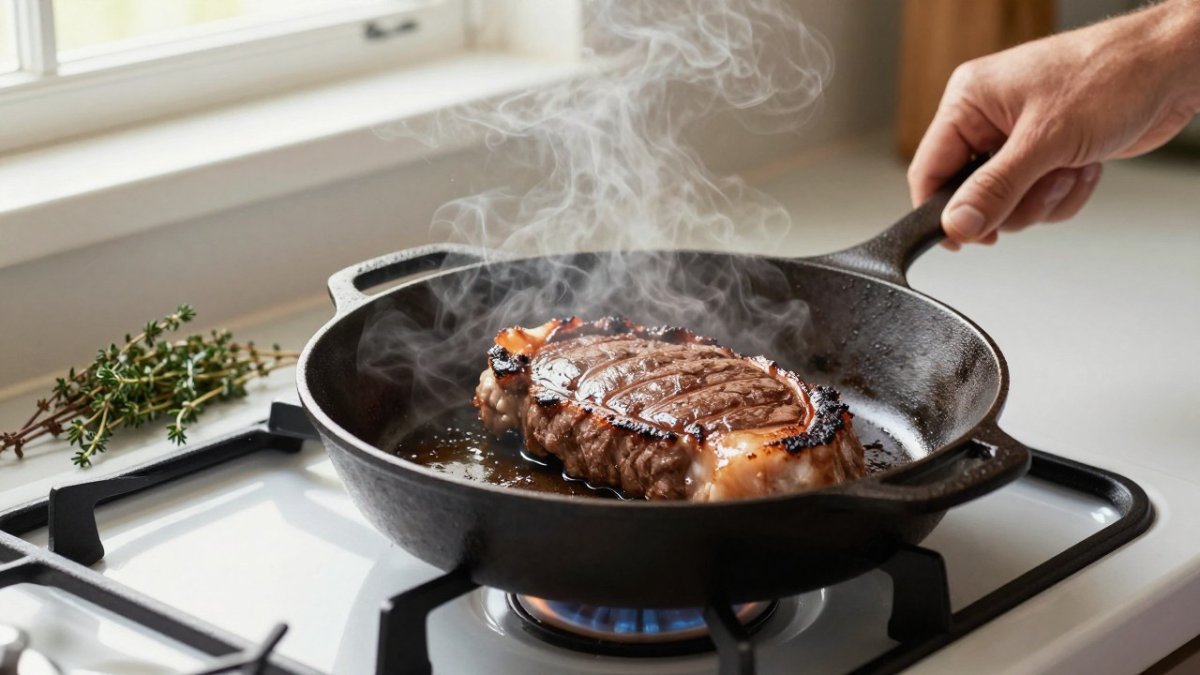
Searing is the fastest way to get restaurant color and depth. Heat a cast-iron skillet until it is hot before adding oil. Pat the protein dry, then leave it alone for three to four minutes so a crust forms. Flipping too early is the most common mistake.
Try these three techniques this week:
- Pat meat and poultry dry before seasoning.
- Preheat the pan for two to three minutes.
- Finish with a spoonful of butter and fresh herbs off the heat.
Watch out: a pan that is too crowded drops in temperature and steams the food instead of browning it. Cook in batches if needed.
Heat Control, Equipment and Practical Substitutions
Heat control is the single biggest difference between home cooking and restaurant cooking, and it is the one skill most recipe collections never explain. A restaurant range delivers steady, high heat on demand; a home burner cycles on and off and loses temperature the moment food hits the pan. You can close most of that gap with technique rather than equipment.
Start with the pan, not the dial. A heavy skillet, cast iron or a thick-bottomed stainless pan, holds heat more steadily than a thin pan. Preheat the empty pan over medium-high for two to three minutes before adding oil. A drop of water should sizzle and evaporate on contact; if it beads and rolls, the pan is not hot enough yet.
Manage the temperature in three moves:
- Sear at medium-high, then drop to medium once the crust forms so the interior cooks through without burning the outside.
- Move the pan off the burner for 20 to 30 seconds when it starts smoking, then return it, this is the home equivalent of a chef pulling a pan to the cool side of the range.
- Keep sauces and reductions at a low, steady simmer; a rolling boil breaks emulsions and makes pan sauces greasy.
Avoid overcrowding. A crowded pan drops in temperature and steams food instead of browning it. Leave space between pieces and cook in batches; a single layer with visible gaps is the target. The same rule applies to roasting: spread vegetables on a sheet pan in one layer, not a piled mound.
Substitute equipment carefully. A heavy Dutch oven can stand in for a braising pot, a sheet pan can replace a roasting tray, and a wire rack set over a sheet pan lets air circulate under food for crisper results. An instant-read thermometer is the most valuable cheap tool for doneness, it removes the guesswork that leads home cooks to overcook proteins. Beyond these physical tools, mastering the organizational rhythm of Mise en Your Place ensures that your kitchen workflow remains as efficient and precise as the systems used by professional culinary teams.
Watch out: a thin pan on high heat will scorch butter and burn spices within seconds; add butter and aromatics only after the pan has come down to medium.
The article's key heat-control adjustments, at a glance:
| Technique | Target | Key detail |
|---|---|---|
| Preheat empty pan | 2 to 3 minutes | Water should sizzle and evaporate |
| Sear | Medium-high heat | Drop to medium once crust forms |
| Move pan off burner | 20 to 30 seconds | Use when pan starts smoking |
| Pan sauce simmer | Low, steady | Rolling boil makes sauce greasy |
| Crowded pan | One layer with gaps | Crowding steams instead of browns |
| Butter and aromatics | After pan reaches medium | Thin pans scorch them in seconds |
Building Flavor with Restaurant-Style Seasoning
Seasoning is where home cooks gain the most ground fastest, and it is also where most advice stops at "season to taste." Restaurant cooks season in deliberate stages and taste at specific checkpoints, which is why their food tastes balanced rather than merely salty.
Season in three stages:
- Before cooking, salt proteins and vegetables 15 to 30 minutes ahead so the seasoning penetrates rather than sitting on the surface. Pat meat dry first so the salt adheres.
- During cooking, add aromatics such as garlic, herbs and spices after the main ingredient has browned, so they bloom in fat without burning.
- At the finish, taste, then adjust salt, acid and fat one at a time so you can tell what changed.
Taste at four checkpoints: after the base is cooked, after the sauce is built, after the final seasoning, and just before plating. Each taste should answer one question: is it flat (needs salt or acid), dull (needs fat or herbs), or harsh (needs a little sweetness or dairy)?
Balance with acid, not just salt. A squeeze of lemon, a splash of vinegar or a spoonful of yogurt can wake up a dish that tastes flat even after salting. Add acid in small amounts and taste after each addition; it is easy to add more and hard to take it out.
A well-made blend gives you the base layer in one step. Our Tuscan Roasted Garlic Seasoning 2.0 oz. ($6.99) is gluten free, no MSG added and low sodium, sprinkle it on vegetables before roasting, or mix 1 to 2 Tbsp with 1/4 cup olive oil for a quick marinade. For a finishing touch, taste the dish, then add a pinch of the same blend plus a squeeze of lemon and a knob of butter off the heat.
Watch out: tasting only at the end means you cannot correct an over-salted sauce; taste after each addition of a salty ingredient such as stock, cheese or soy sauce.
Restaurant-Style Dinner Recipes to Practice
Start with dishes that teach one technique at a time. Pan-seared chicken breasts are a useful first step toward restaurant-style meals because they teach heat control and seasoning in one dish. Find out which best spices for pan-seared chicken breasts work best before you start. Rub the breasts with Savory Italian Seasoning 4.0 oz. ($12.99), sear them until golden, then rest them before slicing. For a precise guide to applying dry rubs to chicken so the flavor sticks, follow the step-by-step technique.
Next, try a simple pan sauce. Deglaze the skillet with a splash of broth, scrape up the browned bits, reduce for two minutes and finish with butter. The sauce uses the same pan you seared in, so the flavor carries over.
Once you feel comfortable, move to a roasted vegetable side. Toss vegetables with 2 to 4 Tbsp olive oil and 1 to 2 Tbsp Toasted Onion & Garlic Seasoning 4.5 oz. ($12.99), then roast at 350° until tender.
Quick Restaurant-Style Meals in 30 Minutes
Weeknight cooking is where restaurant technique pays off most. A 30-minute meal works when you prep while the pan heats. Chop vegetables, measure seasoning and set out your plates before you turn on the stove.
Mediterranean Seasoning 4.0 oz. ($12.99) can be used for fish, chicken, seafood, veggies and salads. Season the protein, sear it quickly and serve it with a simple lemon and herb dressing. You can also learn simple ways to elevate store-bought sauces at home for a quick upgrade. The whole meal can be on the table in about 25 minutes.
For a faster approach, stir-fry thin strips of meat with vegetables over high heat. Keep the pan hot and cook in small batches. The short cooking time keeps the food tender and bright.
Pick Your First Dish and Cook It This Week
Choose one dish and commit to cooking it this week. A pan-seared chicken dinner with a quick pan sauce is a good first choice. It uses the techniques in this guide and takes under 30 minutes.
Shop your pantry first, then add one Twisted Pepper Co. blend to your rack. Our seasonings are handcrafted, gluten free and no MSG added, so they fit most home kitchens. Browse the full Twisted Pepper Co. seasoning collection to find your next favorite blend.
Frequently Asked Questions
How can I get restaurant-quality food at home?
Focus on three things: heat, seasoning and timing. Sear proteins in a very hot cast-iron skillet so they brown instead of steam, season in layers rather than all at once, and taste as you go. Finish dishes with a knob of butter, a squeeze of lemon or fresh herbs to add richness and brightness. Start with one dish you already like and practice the same method until the result is consistent.
What makes restaurant food taste so good?
Restaurant cooks rely on high heat for browning, generous use of salt and acid to balance flavor, and finishing fats such as butter or olive oil. They also taste and adjust constantly. At home you can copy these habits by pre-heating your pan, seasoning proteins before cooking, and adding a splash of acid like lemon juice or vinegar just before serving.
Does a restaurant-style seasoning blend make a difference?
Twisted Pepper Co.'s Savory Italian Seasoning ($12.99 for 4.0 oz) is a seasoning blend you can use in one step. Use 1 to 2 tablespoons as a marinade with 1/4 cup olive oil, or sprinkle it on vegetables and proteins before roasting. Taste before adding more, since blends already contain salt.
Can I make a restaurant-style dinner in 30 minutes?
Yes, if you prepare ingredients first. Chop vegetables, measure seasonings and set out your pan before you turn on the heat. Choose quick-cooking proteins such as thin cutlets, shrimp or sliced sirloin, and cook them in batches over high heat. A simple pan sauce made from the browned bits, a little stock and butter can be finished in under five minutes.
