

Is Pre-Mixed Seasoning Worth It? A 2026 Review
Table of Contents
- The Real Cost of Pre-Mixed Seasoning vs. DIY Blends
- The Benefits of No MSG Seasoning for Everyday Cooking
- DIY vs Store-Bought Spice Blends: A Side-by-Side Comparison
- How Gourmet Dip Mix Brands Compare on Quality and Flavor
- Storage and Shelf Life: Keeping Your Seasoning Fresh
- Dietary-Specific Blends: Gluten-Free, Low-Sodium, and Customizable Ratios
- Verdict: When Pre-Mixed Seasoning Is Worth It (and When It Isn't)
- Frequently Asked Questions
Last Updated: September 23, 2026
The Real Cost of Pre-Mixed Seasoning vs. DIY Blends
Is pre-mixed seasoning worth it? For most busy home cooks, yes, if you know what you're paying for. A pre-mixed seasoning is a ready-to-use blend of spices, herbs, and salt sold as a single packet or jar instead of five separate bottles. This guide from Twisted Pepper Co. breaks down the real cost, the convenience trade-off, and when a packet beats your spice rack.

The Benefits of No MSG Seasoning for Everyday Cooking
No MSG seasoning refers to blends made without added monosodium glutamate, the flavor enhancer many cooks now avoid. The practical benefit isn't just dietary preference; blends without added MSG lean on real spices for depth, so the flavor reads cleaner on the plate.
Why Sodium Content and Ingredient Transparency Matter
Sodium is where pre-mixed seasoning earns its worst reputation. Many commercial packets use salt as the first ingredient because salt is cheap and heavy, meaning you're paying spice prices for filler. If salt leads the ingredient list, the blend is mostly salt.
DIY vs Store-Bought Spice Blends: A Side-by-Side Comparison
DIY wins on cost per ounce and control; store-bought wins on time, consistency, and shelf life management. Neither is universally better, it depends on how often you cook, how many people you feed, and whether you enjoy mixing. What most guides skip is the arithmetic behind that trade-off.
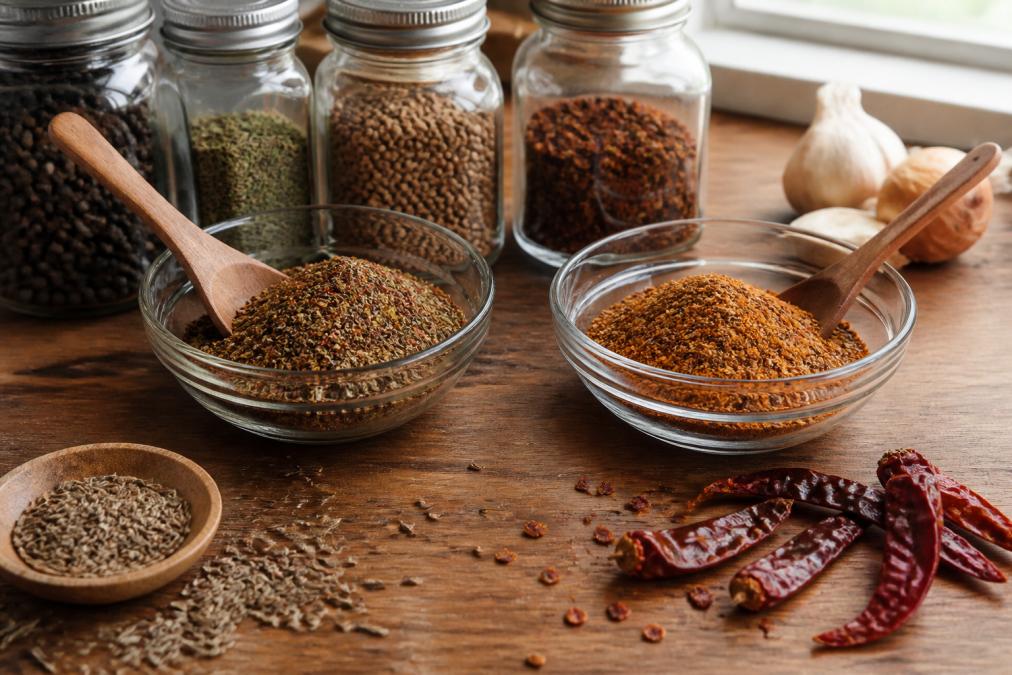
The Cost-Per-Ounce Math Nobody Shows You
A typical taco-style blend needs roughly equal parts chili powder, cumin, paprika, garlic powder, onion powder, and oregano, plus salt. At mainstream grocery prices, a 2- to 3-ounce jar of each runs $3 to $6, so stocking the rack for one blend costs $20 to $35 upfront. That buys many batches, a taco night uses about 2 tablespoons, and those jars hold well over a cup.
| Factor | DIY Blends | Pre-Mixed Packets |
|---|---|---|
| Upfront cost | $20-$35 for 5+ jars | $1-$2 per packet |
| Cost per ounce of blend | ~$2.50-$4 (if fully used) | ~$1.25-$2 |
| Cost per meal | Lower once jars are amortized | Flat, predictable |
| Sodium control | Full control | Depends on the blend |
| Time to make | 10-15 minutes mixing | Zero |
| Consistency | Varies batch to batch | Identical every time |
| Shelf life risk | Jars go stale unused | Sealed until opened |
| Customization | Unlimited | Fixed ratio |
The Break-Even Point
Run the break-even yourself. If a DIY setup costs about $25 and produces roughly 8 ounces, and a packet costs about $1.50 for 1.25 ounces, the packet delivers the same ounce for about $1.20. You'd need roughly 16 to 20 taco nights before the DIY per-meal cost drops below the packet. Cook taco night twice a month and that's about eight months, right at the edge of when ground spices start tasting flat.
The Convenience Tax: What You Pay for Time Saved
Every pre-mixed packet carries a convenience tax: the premium you pay for someone else to measure, blend, and seal your spices. Mixing a batch from five jars takes about 10 to 15 minutes the first time and less once you know the ratios, that's the labor you're buying out of.
How Gourmet Dip Mix Brands Compare on Quality and Flavor
Quality in gourmet dip mix brands comes down to three things: ingredient order, additive load, and whether the blend tastes like a specific cuisine or a generic "seasoning." Brands that publish full ingredient lists and skip preservatives and anti-caking agents consistently outperform the rest.
Storage and Shelf Life: Keeping Your Seasoning Fresh
Ground spices lose potency faster than most people realize, and the reason is chemistry, not neglect. The volatile oils responsible for aroma and flavor evaporate from the powder from the moment it's ground, and heat, light, and oxygen accelerate that loss. That's why a blend that tasted sharp six months ago can taste like dust today, no amount of shaking brings the oils back.
Why Pre-Mixed Blends Fade Faster
Three factors drive the difference:
- Surface area. Ground spice exposes far more oil to oxygen than whole spice does. The finer the grind, the faster the fade.
- Blend complexity. A blend with eight ingredients has eight different volatile-oil profiles, each degrading at its own rate. The brightest notes, citrus, floral, fresh herb, go first, which is why an old blend tastes flat and one-dimensional rather than simply weak.
- Salt and filler dilution. Salt is stable and does not degrade, so a salt-heavy blend can taste "fine" long after the actual spices have faded. That masks staleness and makes it harder to tell when a blend is past its prime.
How to Store It So It Lasts
Store seasoning in airtight containers away from the stove, dishwasher, and direct sunlight, a cool pantry beats a decorative rack beside the range. Whole spices keep far longer than ground, so if you mix your own, keep whole seeds on hand and grind only what a recipe needs.
Dietary-Specific Blends: Gluten-Free, Low-Sodium, and Customizable Ratios
Dietary needs are where pre-mixed blends can beat DIY outright. If you manage celiac disease or gluten sensitivity, cross-contamination in a home kitchen is a genuine risk, and a certified gluten-free blend removes that worry. If you're watching sodium, a low-salt blend gives you a tested baseline you can adjust.
Verdict: When Pre-Mixed Seasoning Is Worth It (and When It Isn't)
Pre-mixed seasoning is worth it when you cook a specific cuisine regularly, want consistent results without measuring, or need a dietary-specific blend you can trust. It's not worth it when you cook that cuisine once a month, already own a stocked spice rack, or want total control over every ratio.
Run this quick check before your next grocery run:
- Do you cook this cuisine at least twice a month?
- Do you lack two or more of the spices in the blend?
- Does the ingredient list lead with spices, not salt?
- Do you need gluten-free, low-sodium, or no-MSG assurance?
- Will you finish the packet within six months?
Frequently Asked Questions
What is the best pre-mixed seasoning for home cooking?
The best pre-mixed seasoning depends on what you cook most. For taco nights, a dedicated taco seasoning mix delivers balanced chile, cumin, and garlic without measuring six jars. For grilling and marinades, an all-purpose Tex-Mex blend works on steak, chicken, fish, and vegetables. Look for blends with no MSG, no preservatives, and a sodium level you can live with. Twisted Pepper Co. offers several options, including a 2 oz. Taco Seasoning Mix at $6.00 and a 5 oz. Tex-Mex Seasoning Mix at $9.50.
Do professional chefs ever use pre-mixed seasoning blends?
Yes, many chefs use pre-mixed blends as a base or finishing touch, especially for consistent results across multiple dishes. The key difference is that chefs often adjust the blend with fresh aromatics, acid, or fat rather than using it straight from the packet. For home cooks, a quality pre-mixed seasoning saves time without sacrificing flavor. The benefits of no MSG seasoning also appeal to chefs who want clean flavor without artificial additives.
How long do pre-mixed seasoning blends actually stay fresh?
Most pre-mixed seasoning blends stay at peak flavor for 6 to 12 months when stored in a cool, dark place away from heat and moisture. Ground spices lose volatile oils over time, so flavor fades gradually rather than spoiling. If your blend smells flat or dusty, it is past its best. Buy smaller sizes if you cook infrequently.
What are the most unhealthy ingredients found in store-bought seasonings?
Common concerns include high sodium content, anti-caking agents like silicon dioxide, added sugars, artificial colors, and MSG. Some budget blends use filler ingredients like cornstarch or maltodextrin as the first ingredient, which dilutes flavor. Reading the label matters more than the brand name. Look for blends where spices and herbs are listed first, and check the sodium content per serving. Gluten-free, no-MSG options give you more control over what goes into your food.
Are gourmet dip mix brands worth the higher price?
Gourmet dip mix brands often use higher-quality spices, no artificial additives, and smaller batches, which shows in the flavor. The trade-off is cost. A $6.00 packet of gourmet taco seasoning may cost more per ounce than a budget store brand, but you often use less because the flavor is more concentrated. If you value ingredient transparency and want a blend that tastes consistent every time, the higher price can be justified. Compare cost-per-ounce and sodium levels before deciding.
The challenge with pre-mixed seasoning isn't finding a packet; it's finding one that leads with real spices instead of salt and fillers. Twisted Pepper Co. makes handcrafted, gluten-free seasonings with no MSG added, signature low and light sodium blends, and recipes like the Taco Seasoning Mix that get dinner on the table fast. Whether you need a taco night shortcut or a low-sodium all-purpose blend, get started with Twisted Pepper Co. and season with confidence.