

Is the Anti-Caking Agent in Spices Gluten Free?
Last Updated: October 29, 2026
Quick Summary
Most anti-caking agents in spices are gluten-free, since silicon dioxide, calcium silicate, and sodium aluminum silica are mineral-based and contain no gluten. The exception is wheat starch, a grain-derived anti-caking agent that may contain gluten, so verify the source on the label.
- Plain single-ingredient spices like ground cumin or dried oregano are almost always gluten-free.
- Silicon dioxide is the most common anti-caking agent and is mineral-based with no grain source.
- Corn starch is grain-derived but not from wheat, barley, or rye, so it is gluten-free.
- Cross-contact can occur through shared milling equipment, shared packaging lines, bulk bins, and facility dust.
- A gluten-free claim is a regulatory promise about the finished product, not just the starting ingredient.
Table of Contents
- Are Spices Gluten-Free? The Short Answer
- What Anti-Caking Agents Do and Why Gluten Matters
- Gluten-Free Spice Blends: Fillers, Binders, and Starches to Watch
- Gluten Cross-Contamination in Spices: How It Happens
- How to Read Spice Labels for Gluten
- Direct Answers for Specific Products and Ingredients
- How to Verify a Seasoning Is Gluten-Free Before You Buy
- Frequently Asked Questions
Are Spices Gluten-Free? The Short Answer
Plain herbs and spices are naturally gluten-free, but the anti-caking agent in spices is where things get complicated. If you have celiac disease or a gluten sensitivity, that little packet of garlic salt or taco seasoning deserves a closer look before it hits your cart.
Here's the short version: a single-ingredient spice like ground cumin or dried oregano is almost always safe. Blends are a different story. They can hide wheat starch, fillers, or shared-equipment risks that never show up on the front of the label.
The difference matters because celiac disease is a serious autoimmune condition, not a preference. For anyone managing it, "probably fine" isn't good enough.
For a broader walkthrough of cooking safely with these products, see our guide to cooking with gluten-free seasonings.
Single-Ingredient Spices vs. Seasoning Blends
A jar of pure black pepper contains one thing: pepper. A jar of taco seasoning might contain salt, chili powder, cumin, silicon dioxide, and a starch. That second jar is where gluten concerns live.
Blends use them to stay free-flowing and stop clumping in the shaker.
So the real question isn't "are spices gluten-free?" It's "what else is in this jar?"
What Anti-Caking Agents Do and Why Gluten Matters
An anti-caking agent is a food additive that keeps powdered and ground products from clumping by absorbing moisture or coating particle surfaces. In spices, it keeps your garlic powder pour-able instead of brick-hard.
Most anti-caking agents are gluten-free on their own. To understand why handcrafted spice blends avoid unnecessary fillers, read our complete guide. The concern comes from a small number of additives that can be derived from gluten-containing grains, and from how a finished product is made.
In rare cases, a gluten-containing ingredient such as wheat starch may be used as an anti-caking agent. That's the exception, not the rule, but it's the one that catches people off guard.
An Ingredient-by-Ingredient Guide to Common Anti-Caking Agents
Here's the practical breakdown we walk customers through. Most of these are safe. One deserves a second look.
| Anti-Caking Agent | Gluten Status | What to Know |
|---|---|---|
| Silicon dioxide | Gluten-free | Most common; mineral-based, no grain source |
| Calcium silicate | Gluten-free | Mineral-based; keeps powder dry |
| Sodium aluminum silica | Gluten-free | Mineral-based flow agent |
| Wheat starch | May contain gluten | Grain-derived; verify the source |
| Corn starch | Gluten-free | Grain-derived but not from wheat, barley, or rye |
Calcium silicate, silicon dioxide, and sodium aluminum silica are mineral-based anti-caking agents that contain no gluten.
Gluten-Free Spice Blends: Fillers, Binders, and Starches to Watch
Fillers, binders, and thickeners are the quiet risk in seasoning blends. These ingredients add bulk, hold a mix together, or thicken a sauce, and some come from grains.
Watch for these on the label:
- Wheat starch used as a carrier or anti-caking agent
- Barley-derived ingredients such as malt or malt flavoring
- Modified food starch with an unclear source
- Bouillon or "natural flavor" in a blend that doesn't disclose its base
The fix is simple: read the full ingredient list, not just the front claim. For gluten-free, low-sodium meatloaf and meatball seasoning mixes, see our Meatloaf & Meatball Seasoning Mixes. A blend that lists its ingredients plainly is easier to trust.
Gluten Cross-Contamination in Spices: How It Happens
Cross-contact happens when a gluten-free spice touches gluten during processing, packaging, or storage. Even a pure single-ingredient spice can pick up gluten in a shared facility. The key is to separate two different risks: the ingredient itself and the environment it passes through.
Ingredient risk lives in the formula. If a blend lists wheat starch, malt, or an unclear starch, the risk is built in. That is a formulation issue, not a cross-contact issue.
Cross-contact risk lives in the process. A spice can be naturally gluten-free and still pick up gluten from shared equipment, shared lines, bulk bins, or airborne dust. This is the risk that label claims and certifications are designed to address.
Here is how each scenario plays out:
- Shared milling and grinding equipment. The same mill runs wheat and spices without a full clean between batches. Residual flour in the equipment can transfer to the next batch. A full clean-out between allergen-containing and gluten-free runs is the control.
- Shared packaging lines. Spices are packaged on lines that also run seasoned products containing wheat. Dust and spillage from one product can settle on another. Look for a shared-equipment statement or a gluten-free claim that accounts for the line.
- Bulk bins in stores. Scoops, dust, and spillage let gluten-containing products mingle with single-ingredient spices.
- Facility dust migration. A facility that handles wheat flour nearby can let dust settle on open product. This is why facility-level controls and allergen programs matter, not just ingredient lists.
- Storage and repackaging. A spice stored or repackaged near wheat products can pick up gluten from shared containers, scoops, or surfaces.
This is why "naturally gluten-free" and "certified gluten-free" are not the same claim. The first describes the raw ingredient. The second accounts for the whole process, including shared equipment and facility controls. Under FDA rules, a gluten-free claim on a food label is a regulatory promise about the finished product, not just the starting ingredient (the FDA).
When you evaluate a spice, ask two separate questions: Is the ingredient itself gluten-free? And was the finished product made in a way that protects it from cross-contact? A product can pass the first test and fail the second.
How to Read Spice Labels for Gluten
Start with the ingredient list, then check for a gluten-free claim and allergen statement. Those three spots tell you almost everything. But the order you check them in matters, and a label can pass one test and fail another. Rigorous scrutiny of these details remains the most reliable way to navigate the complexities of allergen-friendly cooking when preparing meals for sensitive individuals.
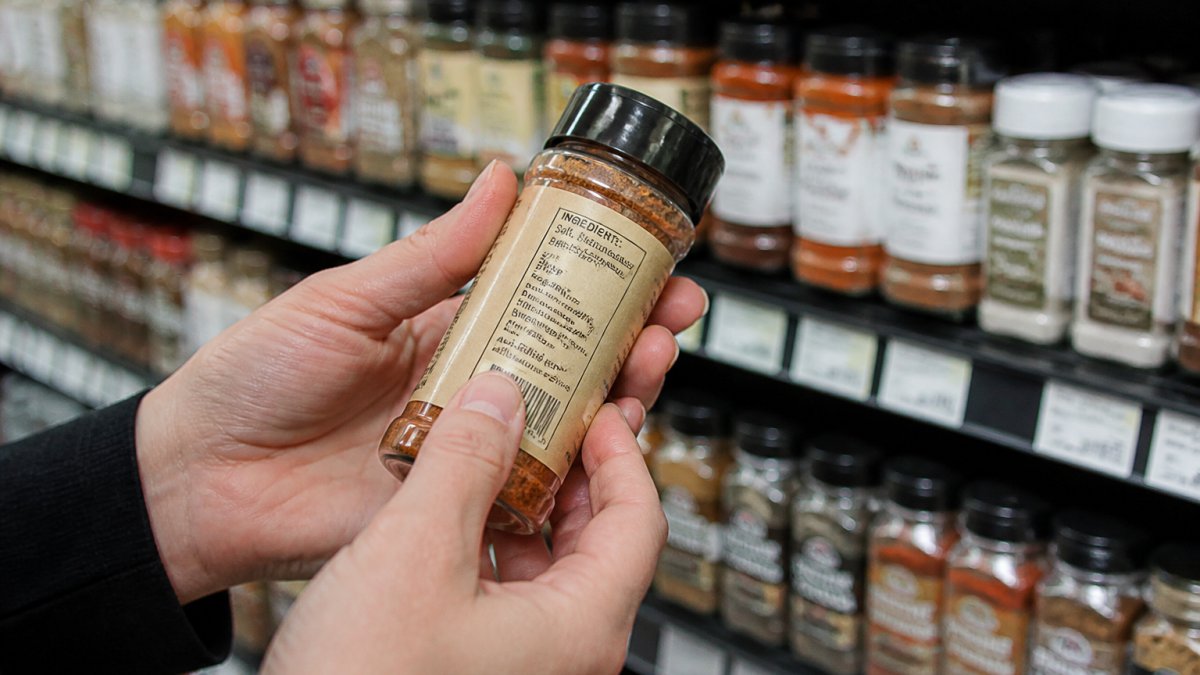
Use this decision tree:
- Scan the ingredient list for obvious gluten sources. Look for wheat, barley, rye, malt, malt flavoring, and "modified food starch" with an unclear source. If any appear, stop here, the product is not a safe choice unless the label explicitly states the ingredient is processed to remove gluten.
- Check for a gluten-free claim. A gluten-free claim is a regulatory promise about the finished product, not marketing decoration. Check the label and, where possible, the manufacturer's statements.
- Check the allergen statement. Look for "may contain wheat" or a shared-equipment statement. These are voluntary disclosures in many cases, but they are a signal about cross-contact risk. A product with a gluten-free claim and a "may contain wheat" statement is contradictory and deserves a call to the manufacturer.
- Distinguish labeling rules from certification. Certification is a separate, voluntary program run by third-party organizations that audit the facility and the process. It adds a layer of verification beyond the label claim.
- If the source of a starch or flavoring is unclear, contact the manufacturer. Do not guess. "Natural flavor" and "modified food starch" are the two most common vague terms in seasoning blends.
A quick label-reading routine:
- Scan the ingredient list for wheat, barley, rye, malt, or "modified food starch"
- Look for a "gluten-free" claim near the nutrition panel
- Check for a "may contain wheat" or shared-equipment statement
- If the source of a starch or flavoring is unclear, contact the manufacturer
When you contact a manufacturer, use a specific script. Ask: "Does this product contain any wheat, barley, or rye ingredients, including starch, malt, or flavorings? Is it made on shared equipment with wheat-containing products? Does the facility have a gluten-free program, and is the product tested for gluten?
At Twisted Pepper Co., our seasonings, dip mixes, and BBQ rubs are handcrafted and gluten-free, with no MSG added and low or light sodium options. If you want to try a range at once, our variety 4-packs let you sample several blends without committing to a single jar.
Direct Answers for Specific Products and Ingredients
Some products come up again and again. Here's how we'd think about each one.
Garlic salt: Usually gluten-free, but check for anti-caking agents and starch. Plain garlic powder is the safer bet if the label is vague.
Taco seasoning: A frequent offender. Many packets include starch or a "natural flavor" that needs verification.
Spice rubs: Often clean, but some use fillers or malt. Read the list.
Bouillon and soup bases: High risk, since many contain wheat or barley derivatives.
Bulk spices: Single-ingredient bulk spices are usually fine, but shared bins raise cross-contact risk.
If you're weighing whether to switch to dedicated gluten-free blends, our article on whether gluten-free seasoning is worth it for meal prep covers the trade-offs.
How to Verify a Seasoning Is Gluten-Free Before You Buy
Verification comes down to three moves: read the label, check for certification, and ask the maker directly. That last step is where most people stop short, and it's the one that gives you a real answer.
Use this checklist before you commit:
- Ingredient list has no wheat, barley, rye, malt, or unclear starch
- Package carries a "gluten-free" claim
- No "may contain wheat" or shared-line warning
- Brand states its facility handles gluten or not
- Customer service confirms the answer in writing
When you contact a manufacturer, ask plainly: "Is this product made on shared equipment with wheat, and can you confirm the gluten-free status in writing?" A maker who can answer clearly is a maker you can trust.
At Twisted Pepper Co., our seasonings, dip mixes, and BBQ rubs are handcrafted and gluten-free, with no MSG added and low or light sodium options. If you want to try a range at once, our variety 4-packs let you sample several blends without committing to a single jar.
Frequently Asked Questions
Are anti-caking agents in spices gluten-free?
Most are. Calcium silicate, silicon dioxide, and sodium aluminum silica contain no gluten. The one to watch is wheat starch, which can occasionally be used as an anti-caking agent. Because the ingredient used matters more than the label 'anti-caking agent,' read the full ingredient list and contact the manufacturer if the source of an agent is unclear.
Are single-ingredient spices safer than seasoning blends for people with celiac disease?
Plain single-ingredient spices are generally naturally gluten-free, so they carry less risk than blends. Seasoning blends can include fillers, binders, thickeners, and anti-caking agents, and any of those may be wheat-derived. Blends also face more cross-contact risk during processing. If you have celiac disease, start with single-ingredient spices and verify any blend's ingredient list and allergen statement before using it.
Can spice blends contain wheat or other gluten ingredients?
Yes. Wheat starch may occasionally be used as an anti-caking agent, and blends can also contain starches, fillers, and thickeners that are wheat or barley derived. Check the ingredient list for terms like wheat starch, barley malt, and modified food starch, and look for a gluten-free claim or certification on the package. When the source of a starch is unclear, contact the manufacturer directly.
Can spices be cross-contaminated with gluten during processing?
They can. Shared equipment, shared packaging lines, and bulk storage all create cross-contact risk, especially at facilities that also handle wheat-containing products. A gluten-free claim on the label is the clearest signal that a manufacturer has controlled for this. If a product has no claim, ask the manufacturer about shared equipment and how they clean between runs before you rely on it.
Reading every label gets old fast. That's the challenge we built Twisted Pepper Co. around: handcrafted, gluten-free seasonings with no MSG added and low or light sodium, so you spend less time squinting at ingredient lists and more time cooking. Our blends ship fast and are ready in 30 minutes or less. Get started with Twisted Pepper Co. and taste how simple delicious can be.
