

Cooking with Gluten-Free Seasonings: A 2026 Guide
Table of Contents
- Are Raw Spices Naturally Gluten-Free?
- Hidden Gluten in Spices: What You're Not Seeing on the Front Label
- How to Check Spice Labels for Gluten: A Step-by-Step Method
- Cross-Contamination Risks: Manufacturing Facilities and Your Home Kitchen
- What Makes Celiac Safe Seasoning Brands Different
- Gluten-Free Spice Blend Recipes You Can Make at Home
- Building a Gluten-Free Seasonings Pantry: Buying, Storing, and Staying Safe
- Conclusion
Last Updated: August 10, 2026
Are Raw Spices Naturally Gluten-Free?
Pure, single-ingredient spices are naturally gluten-free. Cumin is cumin. Paprika is paprika. Black pepper is black pepper. In their raw, unprocessed form, spices contain no gluten whatsoever, making them inherently safe for people with celiac disease or gluten sensitivities.
The problem starts the moment those spices enter a processing facility. A jar labeled "ground cinnamon" or "garlic powder" may have passed through shared grinding equipment, been blended with anti-caking agents, or picked up trace contamination from a facility that also processes wheat-based products. The spice itself is gluten-free. Everything that happens to it afterward may not be.
At Twisted Pepper Co., we hear from customers managing celiac disease who assume single-ingredient spices are automatically safe, only to discover that "naturally gluten-free" and "processed safely" are two very different things. Below, we'll walk through exactly where gluten hides, how to read labels correctly, and how to build a pantry you can actually trust.
Hidden Gluten in Spices: What You're Not Seeing on the Front Label
Most people scan the front of a spice jar, see no mention of wheat, and move on. That's where things go wrong. Hidden gluten in spices is far more common than most home cooks realize, and it almost never announces itself clearly.
Anti-Caking Agents and Fillers to Watch For
Anti-caking agents are added to ground spices to prevent clumping. The ones to watch for include wheat starch, which is sometimes used as a flow agent in lower-quality blends. Wheat flour has historically appeared in seasoning mixes as a filler or thickener. Vague terms like "starch" or "modified food starch" without a source declaration are worth questioning, since these can be derived from wheat.
According to FDA allergen labeling requirements, wheat must be declared on food labels under the Food Allergen Labeling and Consumer Protection Act. However, trace contamination from shared equipment does not always trigger a label requirement. Safe anti-caking agents include silicon dioxide and calcium silicate. If the label just says "anti-caking agent" with no further detail, contact the manufacturer before using the product.
Natural Flavors and Maltodextrin: When to Dig Deeper
"Natural flavors" is a catch-all term that can cover hundreds of different flavor compounds, some of which may be derived from gluten-containing grains. Maltodextrin is similarly ambiguous. In the United States, maltodextrin is most commonly derived from corn, which is gluten-free. But it can also be derived from wheat, and when it is, the labeling doesn't always make that obvious. If a product contains maltodextrin and doesn't specify the source, verify with the manufacturer.
How to Check Spice Labels for Gluten: A Step-by-Step Method
Checking a spice label for gluten takes about 60 seconds once you know what to look for.
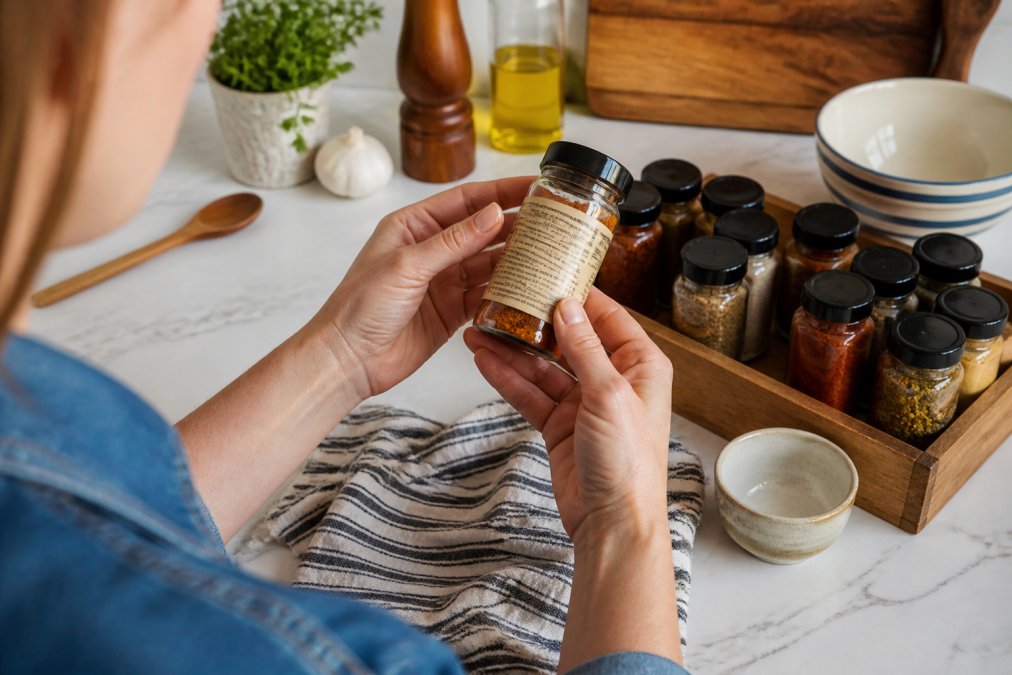
Step 1: Scan the Ingredient List for Wheat, Barley, and Rye
Flip the jar and go straight to the ingredient list. Look for any mention of wheat, barley, rye, or malt. These are the three grains that contain gluten, and all three must be declared if present under current U.S. allergen labeling law. Also scan for wheat starch, wheat flour, barley malt, rye flour, modified food starch (check if the source is specified), and hydrolyzed wheat protein. If any of these appear, set the product aside.
Step 2: Look for a Certified Gluten-Free Seal
A certified gluten-free seal means a third-party organization has tested the product and verified it meets a defined standard for gluten content. The two most recognized certifying bodies in the U.S. are the Gluten-Free Certification Organization and the National Celiac Association. A product that simply says "gluten-free" on the label without a certification seal relies on the manufacturer's own testing, which carries more uncertainty for people with celiac disease.
Step 3: Check for Shared Facility Warnings
Shared facility warnings appear as "manufactured in a facility that also processes wheat," "may contain wheat," or "produced on shared equipment." These statements are voluntary under U.S. labeling law, meaning their absence doesn't guarantee a clean facility. For people with celiac disease, shared facility warnings deserve serious consideration.
| Label Claim | What It Means | Celiac Safe? |
|---|---|---|
| Certified Gluten-Free seal | Third-party tested, meets defined standard | Best option |
| "Gluten-Free" on label (no seal) | Manufacturer's self-declaration | Generally yes, lower certainty |
| No gluten claim, no warning | No verification provided | Unknown - verify with manufacturer |
| Shared facility warning | Cross-contamination risk exists | Use caution |
| Contains wheat/barley/rye | Gluten is present | No |
Cross-Contamination Risks: Manufacturing Facilities and Your Home Kitchen
Cross-contamination happens in two places: the factory and your own kitchen. At the manufacturing level, facilities that process both gluten-containing and gluten-free products on the same lines create opportunities for cross-contact. The FDA threshold for products labeled gluten-free is fewer than 20 parts per million according to FDA gluten-free labeling final rule.
Home kitchen risks are often overlooked. Storing gluten-free spices near open bags of flour, breadcrumbs, or wheat-based pasta allows airborne flour particles to settle on nearby containers. Shared measuring spoons that dip into wheat-containing products transfer contamination directly.
Practical steps to minimize home kitchen cross-contamination:
- Store gluten-free seasonings in a dedicated cabinet, away from wheat-containing products
- Use separate, labeled measuring spoons for gluten-free cooking
- Wash hands thoroughly before handling gluten-free spice containers
- Keep containers sealed when not in use
- If you bake with wheat flour, handle gluten-free spices before you start baking
What Makes Celiac Safe Seasoning Brands Different
Not all gluten-free seasoning brands operate to the same standard. The difference comes down to sourcing, manufacturing controls, and transparency.
Celiac safe seasoning brands typically share several characteristics: Dedicated or verified facilities. The most trustworthy brands either manufacture exclusively in gluten-free facilities or have rigorous cleaning and testing protocols between production runs. Third-party testing. Brands that submit their products for independent verification demonstrate accountability that matters for people who can't afford to guess. Transparent ingredient sourcing. Brands that specify the source of their maltodextrin, identify their anti-caking agents by name, and clearly disclose any shared facility situations are worth trusting. No unnecessary fillers. The best gluten-free seasonings are built around pure spices and herbs, with minimal additives.
Twisted Pepper Co. builds all of its seasonings, BBQ rubs, and dip mixes to be gluten-free and handcrafted, without MSG added. For anyone evaluating a new seasoning brand, ask: can they tell you exactly where their spices come from and how their facility handles gluten? If the answer is vague, keep looking.
Gluten-Free Spice Blend Recipes You Can Make at Home
Making your own gluten-free spice blends is one of the most reliable ways to control exactly what goes into your food. You know the source of every ingredient, there's no shared equipment risk, and you can adjust the flavor profile to suit your cooking style.
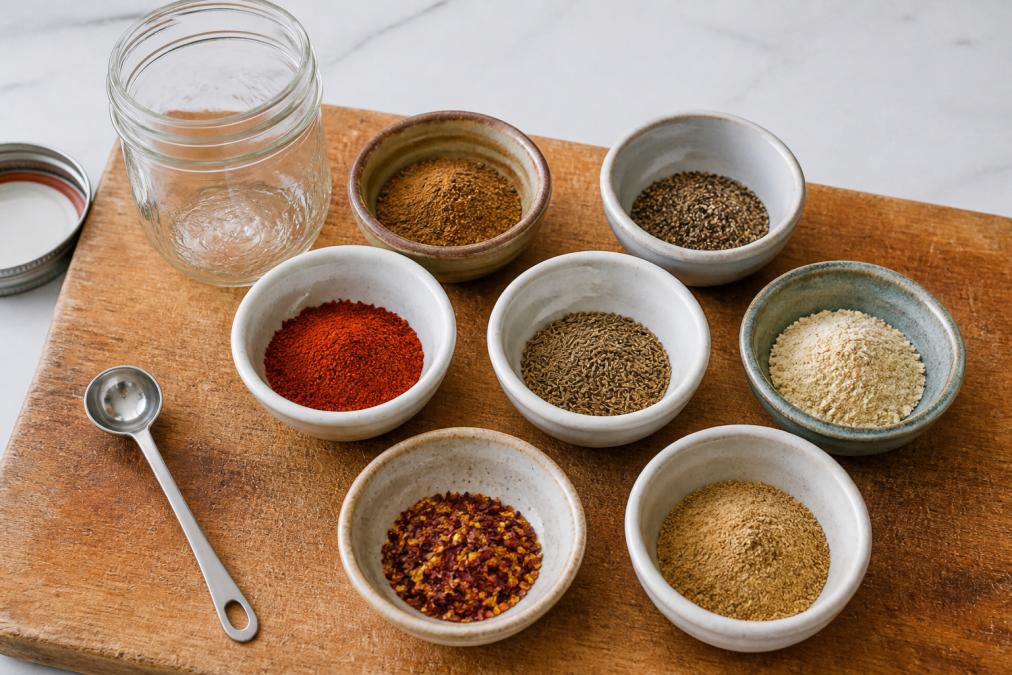
Start with pure, single-ingredient spices from brands you've already verified. Store blends in airtight glass jars away from heat and light.
All-Purpose Savory Rub
- 2 tablespoons garlic powder
- 2 tablespoons onion powder
- 1 tablespoon smoked paprika
- 1 tablespoon dried thyme
- 1 teaspoon black pepper
- 1 teaspoon sea salt (optional)
Mix thoroughly and store in an airtight glass jar. Use within three months for best flavor.
Smoky BBQ Dry Rub
- 2 tablespoons smoked paprika
- 1 tablespoon cumin
- 1 tablespoon chili powder
- 1 teaspoon garlic powder
- 1 teaspoon onion powder
- 1 teaspoon black pepper
- ½ teaspoon cayenne pepper
Apply generously to ribs, brisket, or chicken thighs at least 30 minutes before cooking.
Taco and Enchilada Seasoning Blend
Store-bought taco seasoning is one of the most common sources of hidden gluten. This version is clean and versatile.
- 2 tablespoons chili powder
- 1 tablespoon cumin
- 1 teaspoon garlic powder
- 1 teaspoon onion powder
- 1 teaspoon dried oregano
- ½ teaspoon smoked paprika
- ½ teaspoon black pepper
Use 2-3 tablespoons per pound of ground meat, or mix with tomato paste and broth for an enchilada sauce base.
Building a Gluten-Free Seasonings Pantry: Buying, Storing, and Staying Safe
A well-stocked gluten-free pantry is built deliberately, with sourcing decisions made upfront.
Buying smart. The safest approach is to buy pure, single-ingredient spices from brands with clear gluten-free labeling and, ideally, third-party certification. Seasoning blends require more scrutiny, but high-quality handcrafted blends from transparent brands eliminate the guesswork. According to Celiac Disease Foundation guidance on gluten-free diet, vigilance with ingredient sourcing is one of the most important factors in maintaining a truly gluten-free diet.
Bulk buying considerations. Bulk bins in grocery stores are a known cross-contamination hazard: shared scoops, open containers, and proximity to wheat-containing products all create exposure opportunities. For anyone with celiac disease, pre-packaged spices from verified brands are safer than bulk bin purchases.
Storage that protects your investment. Heat, light, and moisture degrade both flavor and safety. Store spices in airtight glass or metal containers in a cool, dark cabinet, away from the stove. Label everything with the purchase date and dedicate a specific shelf exclusively to gluten-free seasonings if your household also uses gluten-containing products.
Pantry essentials for gluten-free cooking. A functional pantry typically includes pure garlic powder, onion powder, smoked paprika, cumin, chili powder, dried oregano, black pepper, and a couple of verified pre-made blends for busy nights. Handcrafted options from brands like Twisted Pepper Co. that are built gluten-free from the ground up are worth having on hand.
The low-FODMAP and allergen-free intersection. Some people managing gluten sensitivities are also following a low-FODMAP diet for IBS or other digestive conditions. Garlic powder and onion powder, both staples of gluten-free cooking, are high-FODMAP ingredients. If you're navigating both dietary frameworks simultaneously, look for blends that use garlic-infused oil or the green tops of scallions for flavor instead. According to Monash University FODMAP diet resources, many common spices are low-FODMAP in typical serving sizes, but garlic and onion in powdered form are concentrated enough to trigger symptoms in sensitive individuals.
Managing dietary restrictions shouldn't mean sacrificing flavor, but it does require knowing exactly what's in your food. The challenge with gluten free seasonings is that the risk isn't always visible on the front label. Twisted Pepper Co. makes handcrafted, gluten-free seasonings, BBQ rubs, and dip mixes with no MSG added, designed for home cooks who want real flavor without the guesswork. With low and light sodium options and blends built for 30-minute meals, it's the kind of pantry staple that earns its shelf space. Shop Twisted Pepper Co. and cook with confidence.
Frequently Asked Questions
Which spices should people with celiac disease avoid?
Pure, single-ingredient spices are generally safe for celiac disease, but seasoning blends carry more risk. Avoid any product listing wheat starch, wheat flour, barley malt, or malt vinegar as ingredients. Also treat caution with blends that contain natural flavors or anti-caking agents without specifying the source. When in doubt, choose products with a certified gluten-free label, which confirms testing to 20 parts per million or below, the FDA threshold for gluten-free claims.
Can cross-contamination occur during spice processing?
Yes. Many spices and seasoning mixes are processed in manufacturing facilities that also handle wheat, barley, or rye. Even if a blend contains no gluten ingredients, shared equipment or shared production lines can introduce trace amounts. For anyone managing celiac disease or a serious gluten sensitivity, look for brands that test finished products and disclose their manufacturing practices. A certified gluten-free seal offers the strongest assurance that cross-contamination controls are in place.
How do I read labels for gluten in spice blends?
Start with the ingredient list and look for wheat, barley, rye, malt, and wheat starch by name. Under the FDA's Food Allergen Labeling and Consumer Protection Act, wheat must be declared in plain language on any packaged food, so check for a 'Contains: Wheat' statement below the ingredient list. Next, look for a certified gluten-free seal from a recognized third-party body. Finally, check for a 'may contain wheat' or 'processed in a facility with wheat' advisory, which signals cross-contamination risk.
What are the best gluten-free seasonings for home cooking?
The safest gluten-free seasonings are single-ingredient ground herbs and spices with no additives, or handcrafted blends from brands that test for gluten and disclose their manufacturing process. Look for no-MSG, low-sodium options that list every ingredient clearly. Blends designed specifically for people with dietary restrictions, like those from Twisted Pepper Co., are formulated to be gluten-free from the start, making them reliable pantry staples for quick, flavorful meals without the label-reading guesswork.
This article was written using GrandRanker