

How to Avoid Hidden MSG: A Label-Reading Guide
Table of Contents
- What Is MSG and Why Food Manufacturers Use It
- Hidden Names for MSG: The Chemical Synonyms You Need to Know
- How to Read Food Labels for Additives and Spot MSG
- Common Foods That Contain Hidden MSG
- MSG-Free BBQ Rubs and Seasonings for Home Cooking
- Restaurant Dining Strategies to Avoid Hidden MSG
- Budget-Friendly MSG-Free Shopping Tips
- How to Avoid Hidden MSG: Your Action Plan
Last Updated: August 22, 2026
What Is MSG and Why Food Manufacturers Use It
Monosodium glutamate (MSG) is a flavor enhancer derived from glutamic acid, an amino acid naturally present in many foods. Manufacturers add MSG to amplify umami, that savory, mouth-filling taste that makes food more appealing. It works by triggering taste receptors on your tongue, making modest amounts of salt and fat feel more satisfying.
Companies use MSG for cost efficiency and consistency. A pinch replaces hours of slow cooking or expensive stocks, helping manufacturers meet price points while maintaining shelf life. The challenge is that MSG hides behind dozens of chemical names on ingredient labels, requiring label literacy most shoppers never develop. At Twisted Pepper Co., we've built our seasoning line around the principle that bold flavor doesn't require hidden additives, handcrafted blends deliver the umami depth people crave without chemical shortcuts.
Hidden Names for MSG: The Chemical Synonyms You Need to Know
Manufacturers follow labeling regulations that allow them to list MSG's chemical equivalents under different terms (the FDA). The FDA permits monosodium glutamate to be listed as such, but also allows alternative names representing the same compound or functionally identical additives.
Here are the primary hidden names for MSG you'll encounter on labels:
Direct MSG equivalents:
- Monosodium glutamate
- Sodium glutamate
- Glutamic acid
Ingredients that contain significant free glutamate:
- Autolyzed yeast extract
- Hydrolyzed plant protein (HPP)
- Hydrolyzed vegetable protein (HVP)
- Sodium caseinate
- Calcium caseinate
- Yeast extract
- Soy protein isolate
- Textured vegetable protein (TVP)
- Malt extract
Deceptively labeled sources:
- Natural flavoring (can contain up to 20% free glutamate) (the FDA)
- Beef, chicken, or meat-derived flavoring
- Mushroom extract or mushroom powder
- Tomato powder or tomato concentrate
The trick is that manufacturers can list "natural flavoring" without specifying contents. That vague term might include yeast extract, loaded with free glutamate.
How to Read Food Labels for Additives and Spot MSG
Develop a systematic approach to label reading. Most people scan marketing claims and skip the ingredient list, where the real information lives.
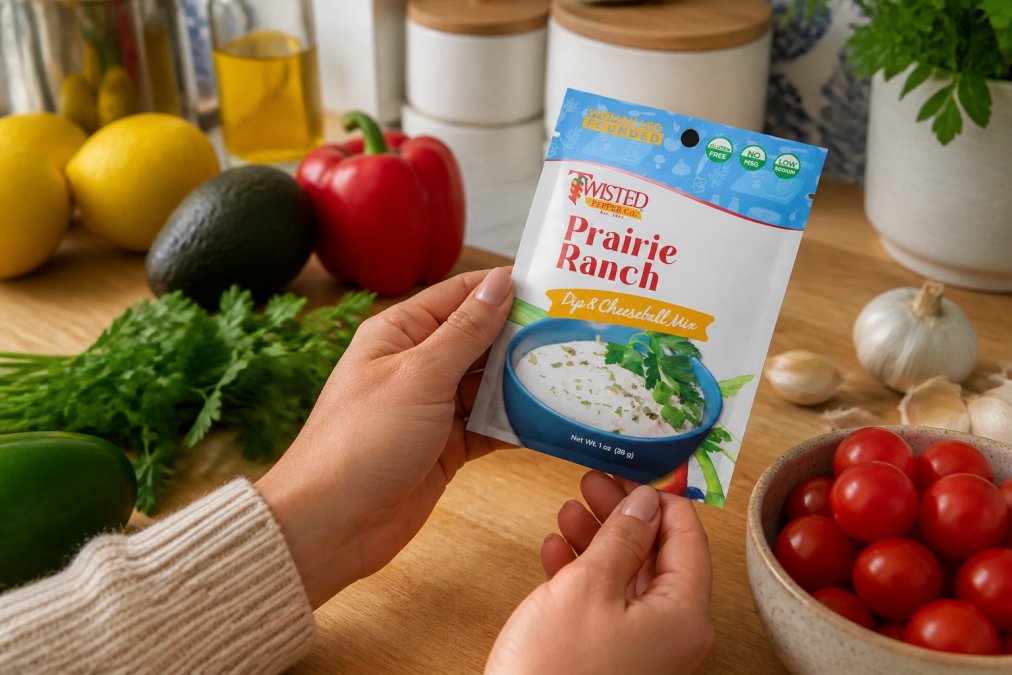
Read the ingredient list from top to bottom. Ingredients are listed by weight, so the first few items represent the largest portions. If you see autolyzed yeast extract, hydrolyzed plant protein, or yeast extract in the first five ingredients, that product is likely high in free glutamate.
Cross-reference unfamiliar ingredient names against MSG aliases. When you encounter "natural flavoring," "chicken flavoring," or "beef flavoring," treat it as a red flag. Pay attention to the nutrition label as well, products high in sodium relative to protein content often rely on MSG or similar additives.
Your label-reading checklist:
- Scan for all MSG aliases and free glutamate sources
- Note sodium content relative to protein
- Look for vague terms like "natural flavoring" or "spice blend"
- Check the order of ingredients (top five matter most)
- When uncertain, contact the manufacturer
Free Glutamate: The Science Behind Hidden MSG
Free glutamate is the form of glutamic acid that your taste receptors recognize and respond to (peer-reviewed research). Some ingredients contain glutamic acid bound to proteins, your body can't taste it until digestion breaks those bonds. Other ingredients contain free glutamate already separated from proteins, which hits your taste receptors immediately.
Manufacturers exploit this distinction. They use hydrolyzed proteins, which break down glutamic acid into free form, and claim they're using "natural" ingredients. Technically true. Functionally identical to MSG. Aged foods naturally develop free glutamate as proteins break down over time. Parmesan cheese, soy sauce, and tomato paste all contain significant amounts. If you're avoiding MSG for health reasons, you might also need to limit these foods.
Common Foods That Contain Hidden MSG
Processed soups and broths are the biggest offenders. Most commercial soup bases rely on hydrolyzed plant protein or yeast extract to build savory depth without real stock costs.
Seasoning blends frequently contain hidden MSG sources. Garlic powder, onion powder, and spice blends often include yeast extract or autolyzed yeast as a carrier and flavor enhancer. Twisted Pepper Co.'s Pig Sweat BBQ Rub delivers authentic flavor through quality ingredients rather than chemical shortcuts.

Sauces and condiments hide MSG aggressively. Teriyaki sauce, soy sauce, Worcestershire sauce, and salad dressings frequently list "hydrolyzed soy protein" or "natural flavoring" containing yeast extract. Gravy mixes and bouillon cubes are nearly universal offenders.
Processed meats, deli meat, and sausage use sodium caseinate and protein isolates to bind moisture and enhance flavor. Frozen meals rely heavily on these additives. Snack foods and flavored crackers use natural flavoring and yeast extract extensively. reading product labels.
MSG-Free BBQ Rubs and Seasonings for Home Cooking
The easiest way to avoid hidden MSG is to build your own seasoning blends from whole spices and herbs. You control every ingredient and know exactly what you're adding.
For barbecue rubs, start with paprika, black pepper, garlic powder, onion powder, and brown sugar. Add complexity with cumin, chili powder, cayenne, and cinnamon or coffee powder. This delivers savory depth without MSG or its aliases.
The key is using enough salt and fat to carry flavor. Real spices and herbs don't need chemical tricks. Twisted Pepper Co.'s Pig Sweat BBQ Rub exemplifies this approach: built on real spices with no MSG added, delivering authentic barbecue flavor on ribs, pork tenderloin, and roasted vegetables. When shopping for commercial rubs, look for brands that explicitly state "no MSG" and verify the ingredient list doesn't contain yeast extract, hydrolyzed proteins, or vague "natural flavoring" terms.
For soup mixes, handcrafted options like Twisted Pepper Co.'s Chicken Noodle Dry Soup Mix prove that homemade taste doesn't require chemical additives. These soups are ready in 30 minutes or less.

Restaurant Dining Strategies to Avoid Hidden MSG
Dining out while avoiding MSG requires proactive communication and strategic menu choices. Most restaurants don't list ingredient information, so you're partially blind unless you ask.
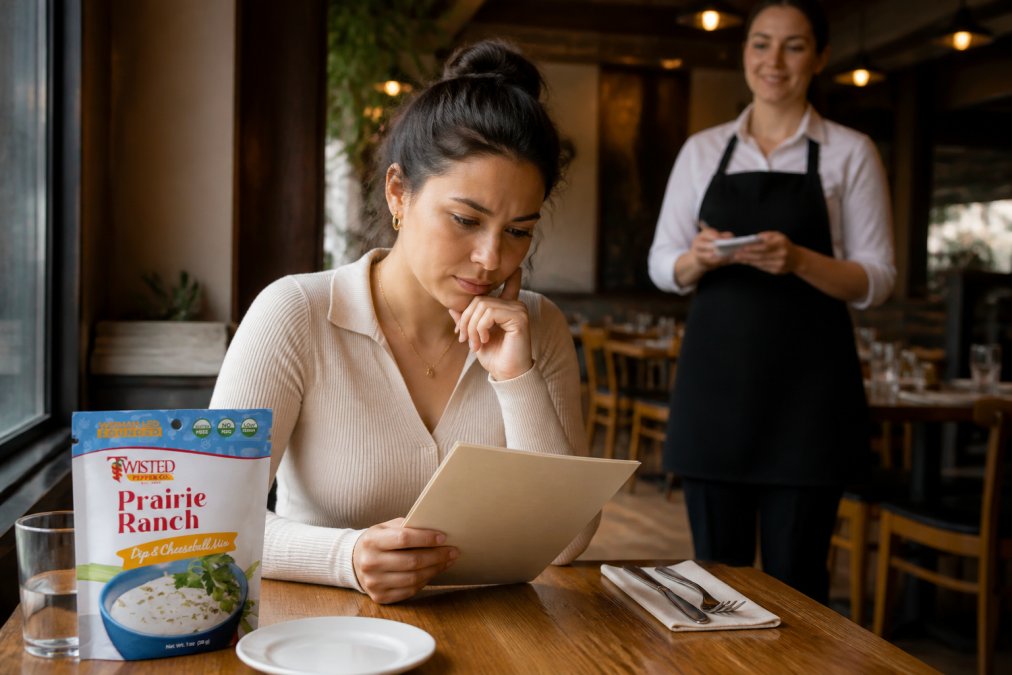
Ask your server if the kitchen uses MSG or MSG-containing ingredients like soy sauce, Worcestershire sauce, or bouillon in base preparations. Asian restaurants are often most transparent because MSG is a standard ingredient and diners frequently request "no MSG." Italian, Mexican, and American restaurants often use MSG-containing ingredients without realizing it.
Avoid dishes relying on sauces, gravies, or broths as primary flavor components, these almost always contain MSG or its aliases. Request dressings, sauces, and seasonings on the side. Choose restaurants emphasizing fresh, whole ingredients and simple preparation. Farm-to-table restaurants and steakhouses focused on quality meat are your safest bets.
Budget-Friendly MSG-Free Shopping Tips
Avoiding hidden MSG doesn't require expensive specialty shopping, it requires intentional choices and willingness to cook from whole ingredients.
Buy dried spices and herbs in bulk. Bulk spices cost a fraction of pre-packaged versions and let you verify ingredient lists. Choose whole foods over processed convenience items. A pound of chicken, rice, and fresh vegetables cost less than frozen meals and contain no hidden additives.
Make your own soup and broth bases. Bone broth and vegetable stock are simple to prepare in large batches and freeze well. Buy quality salt and use it strategically. Real sea salt or kosher salt provides mineral complexity that cheap table salt doesn't.
For seasoning blends, buy from brands prioritizing transparency. Twisted Pepper Co.'s dip mixes and seasonings are handcrafted without MSG. Compare unit prices on whole spices versus pre-made blends, sometimes buying individual spices and mixing them yourself costs less.
How to Avoid Hidden MSG: Your Action Plan
Avoiding hidden MSG is achievable through three concrete steps: education, label literacy, and intentional purchasing.
Step 1: Memorize the aliases. The most common hidden names are autolyzed yeast extract, hydrolyzed plant protein, hydrolyzed vegetable protein, sodium caseinate, and yeast extract. Train yourself to scan for them automatically.
Step 2: Read ingredient lists before buying anything. The front of the package is marketing. The ingredient list is truth. Spend 10 seconds reading it. This single behavior eliminates most MSG from your diet.
Step 3: Cook more, buy fewer processed foods. When you control the ingredients, you control the additives. Simple meals built from whole ingredients cost less, taste better, and contain zero hidden MSG.
Step 4: Choose transparent brands. Twisted Pepper Co.'s commitment to handcrafted blends with no MSG added means you're buying exactly what you see on the label, nothing hidden.
Step 5: Ask questions at restaurants. Most servers and chefs will accommodate requests if you ask respectfully.
Avoiding hidden MSG is fundamentally about regaining control over what you eat. Once you understand the aliases, label reading becomes straightforward. Start with the five hidden names you'll encounter most often, build the habit of reading ingredient lists before purchasing, and shift toward whole foods and handcrafted seasonings that deliver authentic flavor without chemical shortcuts. Twisted Pepper Co.'s MSG-free rubs and soup mixes prove that bold, satisfying taste doesn't require additives, real ingredients work better. When you're ready to cook without hidden MSG, shop our handcrafted seasonings and experience the difference transparent ingredients make.
Frequently Asked Questions
Q: What are the most common hidden names for MSG on food labels?
A: MSG hides under many names on ingredient lists. Look for autolyzed yeast extract, hydrolyzed plant protein, sodium caseinate, textured vegetable protein, malt extract, soy protein isolate, and yeast extract. The FDA allows manufacturers to use these terms even though they contain free glutamate. Natural flavoring can also contain MSG. Cross-referencing multiple ingredients helps you identify products where MSG is disguised across the label rather than listed as monosodium glutamate.
Q: How can I identify MSG-free BBQ rubs and seasonings?
A: Check the ingredient label for the synonyms listed above. Quality MSG-free rubs like Twisted Pepper Co.'s Pig Sweat BBQ Rub focus on whole spices, herbs, and natural flavors without chemical additives. Handcrafted seasonings typically avoid MSG because they rely on real ingredients for flavor depth. Look for brands that explicitly state 'no MSG added' on the packaging. Homemade rubs using paprika, garlic powder, onion powder, and cayenne give you complete control over what goes into your food.
Q: Why do food manufacturers use hidden MSG in processed foods?
A: Manufacturers add MSG and its synonyms because free glutamate creates umami, the savory taste that makes food crave-worthy. It's cheaper than using real meat stock or aged ingredients, and it masks off-flavors in lower-quality ingredients. The FDA classifies MSG as Generally Recognized as Safe (GRAS), so manufacturers can use hidden forms without listing monosodium glutamate directly. This practice allows them to reduce costs while maintaining the flavor profile consumers expect from processed foods.
Q: What foods typically contain hidden MSG?
A: Processed foods are the main culprits: instant soups, canned broths, flavored chips, frozen dinners, soy sauce, Worcestershire sauce, salad dressings, and seasoning blends. Many Asian condiments and sauces contain hydrolyzed plant protein. Cheese powders and parmesan blends often use sodium caseinate. Fast-food items, canned vegetables, and bouillon cubes frequently contain MSG under alternative names. Even some 'natural' products use yeast extract or autolyzed yeast. Reading ingredient lists on every packaged item is the only reliable way to avoid these hidden sources.
This article was written using GrandRanker