

Healthy Seasoning Blends for Families: A 2026 Guide
Table of Contents
- Why Healthy Seasoning Blends Matter for Family Meals
- Essential Pantry Staples: Building Your Seasoning Foundation
- Low Sodium Diet Flavor Tips That Actually Work
- Benefits of No MSG Seasoning for Your Family
- Kid-Friendly Healthy Seasoning Alternatives Your Children Will Love
- DIY Homemade Seasoning Recipes for Proteins and Soups
- How to Store and Preserve Seasoning Blends for Maximum Freshness
- Conclusion
Last Updated: August 18, 2026
Why Healthy Seasoning Blends Matter for Family Meals
Healthy seasoning blends for families transform how your household eats. They're the difference between reaching for takeout and actually enjoying home-cooked dinners. At Twisted Pepper Co., we've watched families discover that the right seasonings make weeknight meals taste restaurant-quality, without the sodium overload, MSG, or artificial ingredients that leave you feeling guilty.

The real challenge isn't flavor. It's finding blends that deliver taste without compromising your family's health. Most store-bought seasonings hide sodium and additives that sneak past your radar until you're reading the label at checkout. Homemade or thoughtfully crafted blends solve this entirely.
When you control your seasonings, you control what lands on your family's table. That's not just about reducing sodium, though that matters if anyone in your household manages blood pressure or dietary restrictions. It's about teaching your kids that real food tastes better. It's about reclaiming 30 minutes of your evening for actual cooking instead of waiting in a drive-through line.
Essential Pantry Staples: Building Your Seasoning Foundation
Your seasoning foundation starts with dried herbs and spices that do the heavy lifting. These aren't exotic ingredients, they're the workhorses that appear in nearly every cuisine and show up in countless recipes without you thinking about it.
Build your core collection around these essentials: garlic powder, onion powder, paprika, cumin, oregano, basil, thyme, black pepper, and dried red pepper flakes. These eight items cover Italian, Mexican, Mediterranean, and basic American cooking. They're affordable, shelf-stable for months, and gluten-free by nature. Add sea salt or kosher salt, not table salt, which compacts and tastes harsher.
The shift toward organic and preservative-free blends reflects what families actually want: ingredients they recognize. Organic spices cost slightly more but skip the pesticide residue and irradiation that conventional spices often undergo. For families managing allergies or sensitivities, organic sourcing reduces the risk of cross-contamination during processing.
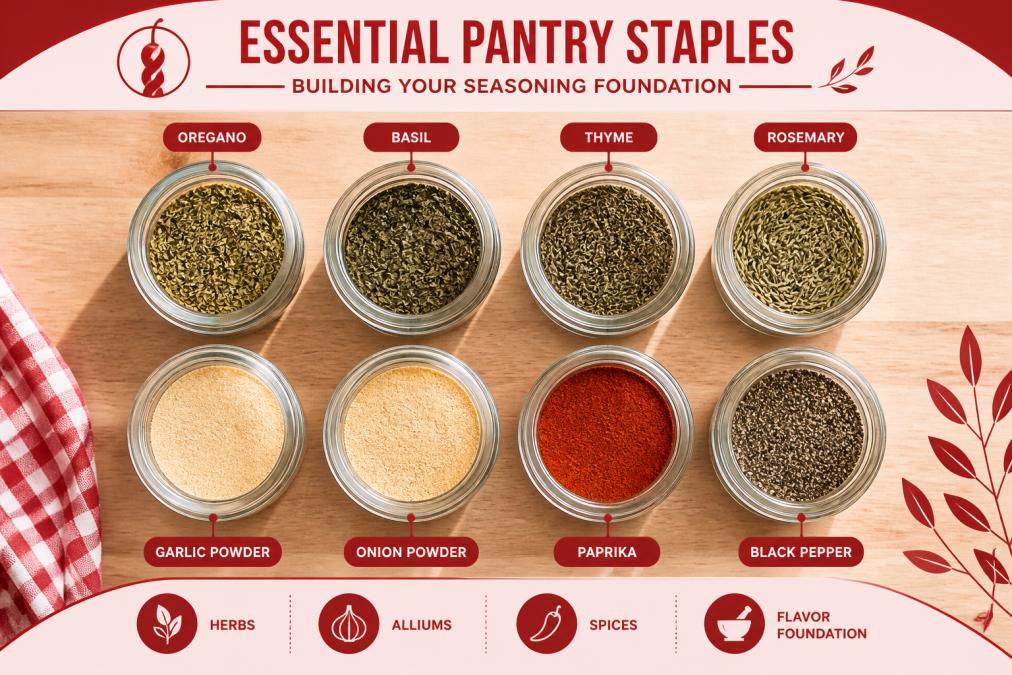
Storage matters more than most cooks realize. Keep spices in airtight containers away from heat, light, and humidity. A cool, dark cabinet beats the spice rack next to your stove, heat degrades flavor compounds and shortens shelf life. Properly stored dried spices stay potent for 6-12 months; ground spices hold up for about 6 months before losing their punch.
Low Sodium Diet Flavor Tips That Actually Work
Low sodium cooking fails when people think "less salt" means "less flavor." That's backwards. The real trick is layering aromatic spices so your brain registers satisfaction without relying on salt alone.
Start by understanding that sodium comes from three places: the salt you add, the salt already in ingredients, and the salt in processed components like broths or canned goods. You can't eliminate all three, but you can be intentional about where sodium enters your recipe.
Build flavor through dehydrated herbs, citrus zest, vinegar, and spice rubs. These aromatic ingredients trigger your taste receptors more efficiently than salt alone. A taco seasoning made with cumin, chili powder, garlic, and oregano delivers satisfaction at a fraction of the sodium compared to store-bought packets. The blend hits multiple taste receptors simultaneously, umami from the spices, heat from the chili powder, earthiness from cumin, so your brain doesn't miss the salt.
Layering is the technique that changes everything. Toast your spices in a dry pan for 30 seconds before adding them to a dish. This releases essential oils and deepens their flavor profile. A pinch of toasted cumin tastes richer than twice as much untoasted cumin. You need less of it, which means less sodium when you're using a salt-based blend.
For families managing sodium sensitivity, the goal is building a seasoning strategy that makes lower-sodium choices taste intentional, not restrictive. Fresh herbs add brightness that dried spices can't match alone. Cilantro, parsley, and basil finish a dish and make people forget they're eating "diet food."
Benefits of No MSG Seasoning for Your Family
MSG gets blamed for everything from headaches to weight gain, though the science is murkier than headlines suggest. What's clear: many families prefer avoiding it, and that preference deserves respect in your kitchen.
MSG (monosodium glutamate) is a flavor amplifier that makes food taste more savory and satisfying. It's naturally present in tomatoes, aged cheese, and mushrooms. The concern some families have is about added MSG in processed seasonings, where it's concentrated and used specifically to make food more crave-able.
When you choose no MSG seasoning blends, you're choosing to build flavor through actual ingredients instead of chemical amplification. Twisted Pepper Co. soup mixes and seasonings skip MSG entirely, relying instead on the natural umami from herbs, spices, and carefully balanced flavor profiles. Your family tastes real ingredients, not a shortcut.
The practical benefit shows up in how your body responds. Many families report that no MSG blends leave them feeling satisfied without the post-meal heaviness or thirst that MSG-heavy seasonings can trigger. Whether that's placebo or physiology, the outcome is the same: your family enjoys meals without side effects.
For parents of kids with sensitivities or autism spectrum traits, no MSG seasoning removes one variable from an already-complex eating situation. It simplifies your ingredient list and gives you confidence in what you're serving.
Kid-Friendly Healthy Seasoning Alternatives Your Children Will Love
Kids reject "healthy" food when it tastes like punishment. The seasoning you choose determines whether a chicken breast tastes like a chore or an actual meal they'll eat without complaint.
Start with mild, familiar flavors. Garlic powder and a touch of paprika make chicken taste like something, without the heat that makes kids push their plate away. Italian herb blends, oregano, basil, thyme, feel "normal" to kids because they show up in pizza and pasta sauce. Build from there.
The trick is understanding that kids' taste preferences aren't fixed. They're trained. When your family eats seasoned food consistently, their palates adapt. A 7-year-old who grew up with herb-seasoned vegetables will eat them without comment. One who's only had plain food will resist. The seasoning you choose shapes what they'll eat for the next 20 years.
Avoid heat until kids are older. Spicy seasonings make eating stressful instead of enjoyable. Save the cayenne and hot peppers for adult meals, and season the family portion before adding heat. A mild taco blend works for everyone; you add jalapeño or hot sauce to your own bowl.
Garden Veggie Dip Mix from Twisted Pepper Co. works because it makes raw vegetables interesting without tasting "diet-ish." Kids dip carrots and celery into something that tastes good, not something that tastes like they're being punished for snacking. That's the entire strategy: make the healthy choice taste like the fun choice.

DIY Homemade Seasoning Recipes for Proteins and Soups
Making your own seasoning blends costs less than buying pre-mixed versions and gives you complete control over sodium, ingredients, and flavor ratios. These recipes work across multiple dishes, make a batch and use it through the week.
Italian Herb Blend for Chicken and Vegetables
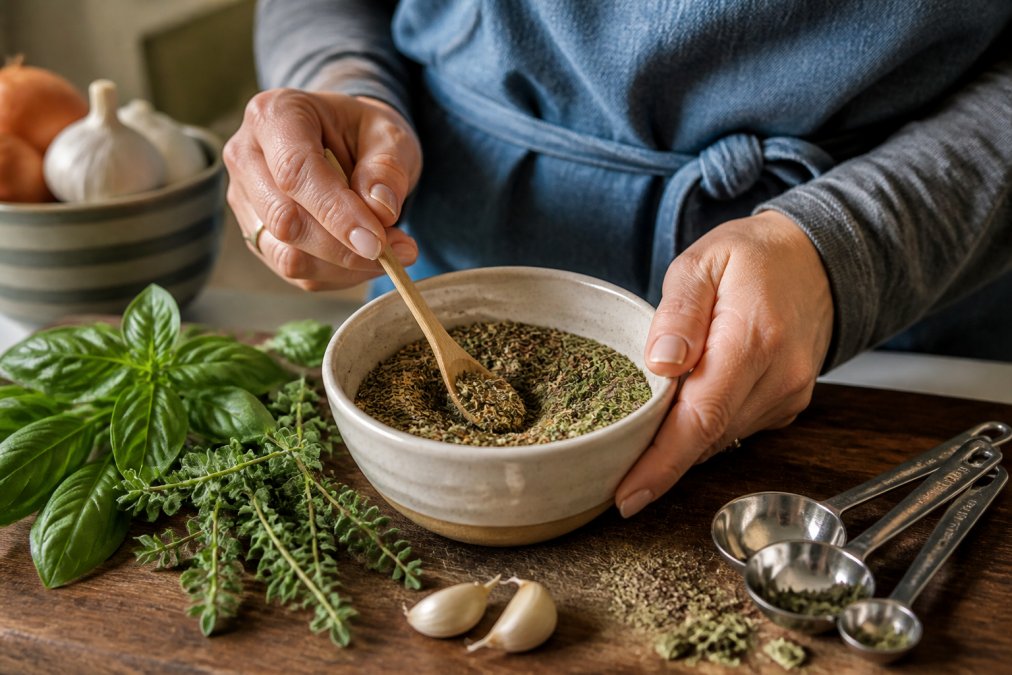
Combine 2 tablespoons dried oregano, 2 tablespoons dried basil, 1 tablespoon dried thyme, 1 tablespoon garlic powder, 1 tablespoon onion powder, 1 teaspoon black pepper, and 1 teaspoon sea salt in a small jar. Shake well. Use 1-2 teaspoons per chicken breast or per pound of vegetables. This blend works on roasted vegetables, grilled chicken, pasta sauce, and even scrambled eggs.
The beauty of this blend is its versatility. It's Italian enough for pasta night but neutral enough to work with roasted potatoes and green beans. Make a double batch and store in an airtight container for up to three months.
Taco Seasoning Without the Sodium Spike
Mix 2 tablespoons chili powder, 1 tablespoon ground cumin, 1 tablespoon paprika, 2 teaspoons garlic powder, 1 teaspoon onion powder, 1 teaspoon dried oregano, ½ teaspoon black pepper, and ½ teaspoon cayenne (optional, for heat). Skip the salt or use just ¼ teaspoon. Use 2-3 tablespoons per pound of ground meat or per can of beans.
Store-bought taco seasoning packets hide most of their sodium in salt. This version delivers authentic taco flavor without the sodium spike. The cumin and chili powder do the heavy lifting. The paprika adds color and mild sweetness. Garlic and onion powder provide depth without the texture of fresh ingredients.
Seafood Rub for Fish and Shrimp
Combine 1 tablespoon paprika, 1 tablespoon garlic powder, 1 teaspoon onion powder, 1 teaspoon dried thyme, 1 teaspoon dried dill, ½ teaspoon black pepper, ½ teaspoon lemon zest (dried or fresh), and ¼ teaspoon sea salt. Use 1 teaspoon per fish fillet or per pound of shrimp. This rub works on baked, grilled, or pan-seared seafood.
The dill and lemon zest are what separate this from generic seasoning. They signal "seafood" to your brain before you even taste it. The paprika adds color and a mild smoky note that complements fish without overpowering it.
How to Store and Preserve Seasoning Blends for Maximum Freshness
Homemade seasoning blends stay fresh longer than you'd expect if you store them right. The enemy is moisture, heat, and light, the same factors that degrade store-bought spices.
Use glass jars with tight-fitting lids. Label each blend with the date you made it. Store in a cool, dark cabinet away from the stove, oven, and direct sunlight. A pantry shelf or cabinet above your counter works perfectly. Avoid the spice rack next to your stove, the heat from cooking degrades flavor compounds and shortens shelf life.
Most homemade blends stay potent for 4-6 months. Ground spices lose flavor faster than whole spices, so if you're grinding your own, grind just what you need. Dried herbs hold up better than fresh herbs, which is why these blends work so well for busy families.
If you make large batches, freeze portions in small jars. Freezing stops the degradation process entirely. Thaw a jar when you're ready to use it, and it tastes as fresh as the day you made it. This strategy works especially well for blends you use occasionally.
Twisted Pepper Co. seasonings and soup mixes come in packaging designed for shelf stability, they're made to last through shipping and storage without losing quality. When you order, store them the same way: cool, dark, dry. Most customers report using a blend within a few months anyway, so shelf life rarely becomes an issue.
Healthy seasoning blends for families solve a real problem: how to make home cooking taste good without sacrificing nutrition. The blends you choose determine whether your family actually eats the meals you prepare. When you start with quality seasonings, whether you make them yourself or choose handcrafted blends from Twisted Pepper Co., you're investing in meals that taste intentional, not like an obligation.
The Tuscan Roasted Garlic Seasoning and Savory Italian Seasoning from Twisted Pepper Co. deliver the aromatic depth that makes simple chicken and vegetables taste like something special. They're gluten-free, low sodium, and made without MSG, exactly what families managing dietary restrictions need. Your 30-minute meals actually taste like they took longer. That's the entire point.

Frequently Asked Questions
What makes healthy seasoning blends different from regular salt-based seasonings?
Healthy seasoning blends replace sodium with aromatic herbs, spices, and flavor enhancers like garlic, paprika, and cumin. They deliver the same umami and taste satisfaction without the sodium overload. No MSG seasonings avoid artificial flavor compounds, making them safer for families with sensitivities. Brands like Twisted Pepper Co. use handcrafted blends with low sodium content, so you control salt intake while maintaining bold, delicious flavors.
Are store-bought seasoning blends usually high in sodium?
Many conventional seasoning blends contain 200-400mg of sodium per teaspoon, which adds up quickly in family meals. Store-bought options often use salt as a filler and preservative. However, brands focused on health-conscious cooking offer low and light sodium alternatives. Reading labels is essential, look for blends with less than 100mg sodium per serving. Twisted Pepper Co.'s signature low sodium products let you season generously without sodium concerns.
Can I use the same seasoning blend for different proteins and dishes?
Yes, versatile blends like Italian herb seasonings work on chicken, fish, beef, and vegetables. However, specific rubs designed for seafood or poultry perform best on those proteins due to complementary flavor profiles. DIY blends give you flexibility, adjust ratios to suit different dishes. For example, a basic garlic and herb blend can season soups, roasted vegetables, and grilled meats. Experimenting with ratios prevents your family meals from tasting repetitive while keeping preparation simple.
How do I know if a seasoning blend is truly gluten-free and safe for celiac disease?
Look for third-party certifications like the Celiac Certification Mark on packaging, which indicates rigorous testing for cross-contamination. Reputable brands disclose their sourcing and manufacturing practices. Twisted Pepper Co. produces gluten-free seasonings with no MSG added, designed for families managing dietary restrictions. Always verify the label lists 'gluten-free' and check for statements about manufacturing in dedicated gluten-free facilities to ensure safety.
This article was written using GrandRanker