

Healthy Alternatives to Store Spices
Table of Contents
- Why Store-Bought Spices Fall Short
- Low Sodium Diet Flavor Tips for Better Seasoning
- Homemade Seasoning Blend Recipes You Can Make Today
- No MSG Spice Blends for Health-Conscious Cooks
- Fresh Aromatics and Dried Herbs: Building Your Spice Cabinet
- Storing Spices for Maximum Freshness and Potency
- Cost-Benefit: DIY Blends vs. Store-Bought Alternatives
- Conclusion
Last Updated: August 27, 2026
Why Store-Bought Spices Fall Short
Most home cooks reach for store-bought seasoning blends without questioning what's actually inside them. The truth is, commercial spice blends often contain additives, excessive sodium, and preservatives that undermine your culinary goals. If you're looking for healthy alternatives to store spices, you've likely noticed that pre-mixed options can taste stale, overly salty, or carry an artificial aftertaste. This guide from Twisted Pepper Co. covers how to move beyond conventional seasonings and build a spice cabinet that delivers real flavor without compromise.
The problem runs deeper than taste. Store-bought blends sit on shelves for months, losing potency and aromatics. Many contain anti-caking agents, sugar, and salt in amounts that make it difficult to control your sodium intake. For anyone managing dietary restrictions, whether that's reducing sodium, avoiding MSG, or keeping meals gluten-free, commercial mixes become a constant frustration. You're paying for convenience but sacrificing control over what actually goes into your food.
That's where healthy alternatives to store spices become essential. By understanding what makes a seasoning blend work and learning to build your own, you reclaim control over flavor, nutrition, and cost. The shift from passive consumer to active cook happens faster than you'd expect.
Low Sodium Diet Flavor Tips for Better Seasoning
Reducing sodium doesn't mean accepting bland food. Many home cooks assume that cutting salt means losing flavor entirely. The reality is different: salt is just one tool in a much larger toolkit. When you understand how to layer flavors, you can create dishes that taste exceptional while keeping sodium in check.
Start by building flavor depth through acid and aromatics. A squeeze of fresh lemon juice, a dash of vinegar, or a sprinkle of citrus zest can make food taste saltier without adding sodium. Dried herbs like basil, oregano, and thyme carry concentrated flavor that compensates for reduced salt. Garlic powder and onion powder deliver savory notes that make low-sodium meals feel substantial.
Heat and smoke also work in your favor. Cayenne pepper, crushed red pepper, and black pepper create sensory impact that distracts from lower sodium levels. When your palate registers intensity from spice, it perceives satisfaction faster. Cumin and coriander add earthiness that rounds out flavor profiles without relying on salt for depth.
The key insight: flavor is multidimensional. Salt amplifies existing tastes, but it doesn't create them. When you build seasoning blends with multiple flavor layers, heat, acid, aromatic, savory, and umami, your brain registers a complete eating experience even with reduced sodium. This is why low sodium diet flavor tips focus on technique rather than ingredient swaps.
Twisted Pepper Co.'s approach to seasoning reflects this principle. Their low and light sodium blends use concentrated herb and spice combinations to deliver satisfaction without reliance on salt. A single teaspoon of Tuscan Roasted Garlic Seasoning brings strong garlic flavor, Italian aromatics, and depth that would normally require added sodium to achieve.

Homemade Seasoning Blend Recipes You Can Make Today
Building your own seasoning blends takes less time than you'd think. Once you understand the basic ratios, you can mix batches in under five minutes. The payoff is immediate: fresher flavor, zero additives, and complete control over sodium levels.
Italian Herb Blend
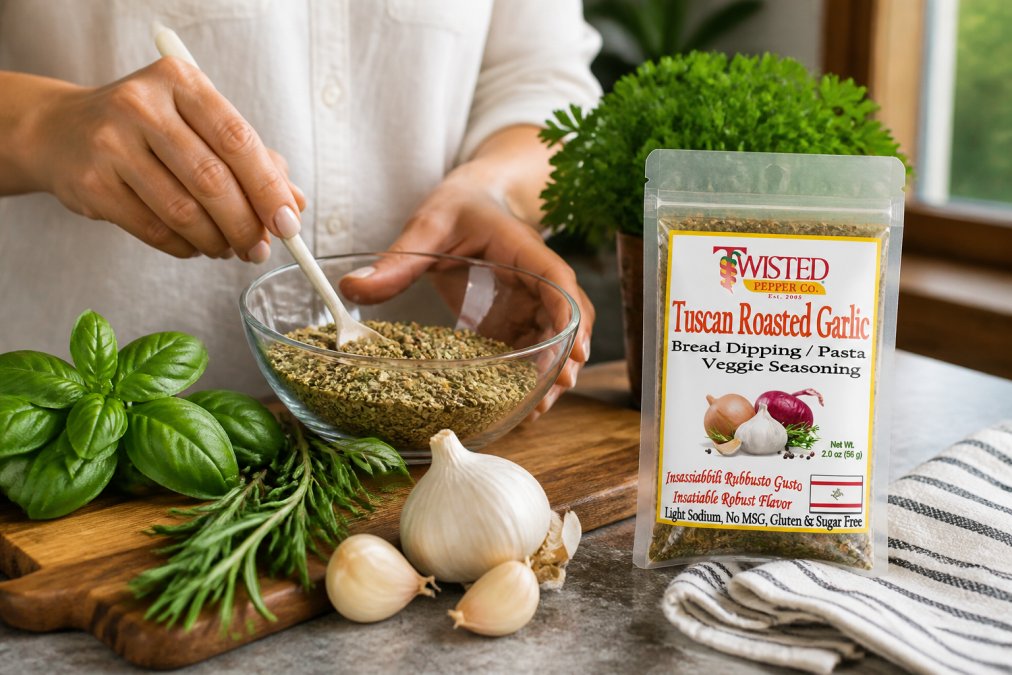
This is the foundation blend that works across dozens of dishes. Mix two tablespoons dried basil, two tablespoons dried oregano, one tablespoon dried thyme, one tablespoon dried rosemary, one teaspoon garlic powder, and one teaspoon black pepper. Store in an airtight container. Use on roasted vegetables, grilled chicken, pasta dishes, or as a bread dipping seasoning mixed with olive oil.
The beauty of this blend is its versatility. It works equally well on fish, beef, pork, or vegetables. A single teaspoon transforms a simple salad into something memorable. Most home cooks find this blend replaces three or four individual bottles on their spice rack.
Tex-Mex Spice Mix
Combine two tablespoons chili powder, one tablespoon cumin, one tablespoon paprika, one teaspoon garlic powder, one teaspoon onion powder, one teaspoon cayenne pepper, and one-half teaspoon black pepper. This blend works for tacos, fajitas, chili, or any dish needing southwestern flavor. The cayenne adds heat without overwhelming, adjust up or down based on your preference.
Tex-Mex seasoning delivers what store-bought versions promise but rarely achieve: balanced heat, authentic spice character, and no MSG. Twisted Pepper Co.'s Tex-Mex Seasoning Mix follows this philosophy, combining chiles and spices for that fresh-Mex taste without artificial additives.
Mediterranean Blend
Mix one tablespoon dried oregano, one tablespoon dried basil, one tablespoon dried thyme, one teaspoon garlic powder, one teaspoon lemon zest powder (or dried lemon peel), one-half teaspoon black pepper, and one-quarter teaspoon crushed red pepper. This blend pairs beautifully with fish, seafood, chicken, and vegetables. Use it as a marinade base with olive oil, or sprinkle directly on grilled proteins.
Mediterranean seasoning bridges the gap between Italian and Greek flavor profiles. It works across salads, pasta dishes, and roasted vegetable preparations. The citrus zest component is what separates homemade versions from most store-bought alternatives, it adds brightness that fresh herbs would provide if you were using them directly.
No MSG Spice Blends for Health-Conscious Cooks
Monosodium glutamate appears in countless commercial seasoning blends, often listed under innocuous names like "natural flavoring" or "hydrolyzed vegetable protein (the FDA)." For people sensitive to MSG or simply preferring to avoid it, navigating store-bought options becomes exhausting. The solution is straightforward: make your own blends and you eliminate this concern entirely.
When you build seasoning blends from whole dried herbs and spices, MSG simply isn't present. Dried basil, oregano, thyme, rosemary, garlic powder, and onion powder deliver savory umami flavor naturally, without synthetic glutamates. Paprika, cumin, and black pepper add complexity that makes MSG unnecessary.
The umami question often confuses home cooks. Umami, that savory, mouth-filling sensation, comes from naturally occurring glutamates in foods like aged cheeses, tomatoes, mushrooms, and fermented ingredients (peer-reviewed research). You can build umami depth into seasoning blends by using ingredients like garlic powder, onion powder, and smoked salt. These create the satisfaction that MSG mimics synthetically.
Twisted Pepper Co. makes no MSG spice blends a core principle. Their seasoning products use only recognizable ingredients: dried herbs, spices, salt, and nothing else. This transparency matters for health-conscious cooks who need absolute certainty about what's in their food. When you choose blends without MSG, you're not sacrificing flavor, you're actually gaining it, because natural ingredients carry more complexity than synthetic enhancers.
Fresh Aromatics and Dried Herbs: Building Your Spice Cabinet
A well-stocked spice cabinet doesn't require dozens of bottles. Most home cooks succeed with fifteen to twenty core items, chosen strategically for versatility. The distinction between fresh aromatics and dried herbs matters more than you'd expect.
Fresh aromatics, garlic, onion, ginger root, and citrus, are best used fresh whenever possible. When you need the convenience of dried versions, garlic powder and onion powder work reliably across most dishes. Dried ginger root works well in Asian-inspired cooking and baking. Citrus zest, whether fresh or dried, adds brightness that compensates for reduced salt.
Dried herbs maintain their flavor far longer than fresh ones, making them ideal for a permanent spice cabinet. The core collection should include basil, oregano, thyme, rosemary, and bay leaves. These five herbs cover Italian, Mediterranean, and French cooking. Add cumin, coriander, and cardamom for global cuisine flexibility.
Spices themselves, the seeds, bark, and buds of plants, carry different characteristics than herbs. Black pepper, cayenne pepper, and crushed red pepper provide heat and bite. Cinnamon, nutmeg, and cloves add warmth. Cumin and coriander deliver earthy depth. A functioning spice cabinet includes at least one option from each category.
The practical approach: start with what you cook most. If you make Mexican food regularly, prioritize cumin, chili powder, and oregano. If Italian cooking dominates, focus on basil, oregano, thyme, and garlic powder. Build outward from there. This prevents waste and ensures you actually use what you buy.
Storing Spices for Maximum Freshness and Potency
How you store spices determines how long they maintain potency. Most home cooks keep spices in their original containers on open shelves, which exposes them to light, heat, and humidity. This approach guarantees flavor degradation within months.
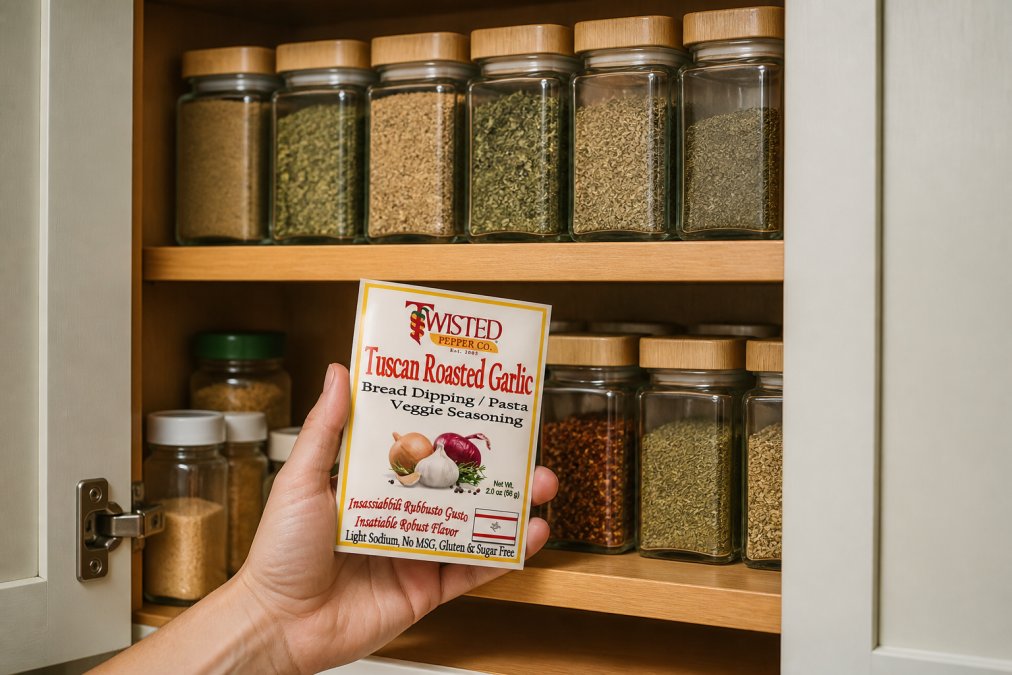
Air-tight storage is non-negotiable. Glass jars with rubber seals work best, though plastic containers work adequately if they seal properly. Label everything with the purchase date, this simple step prevents mystery bottles and ensures you use spices while they're still potent. Most dried herbs and spices maintain peak flavor for six to twelve months when stored properly (usda.gov).
Location matters significantly. Keep spices away from direct sunlight, heat sources, and humidity. A cool, dark cabinet works far better than a spice rack above the stove, despite its convenience. Heat and light degrade flavor compounds rapidly. Humidity causes caking and mold growth. If your kitchen runs humid, consider silica packets in your storage containers.
Whole spices last longer than pre-ground versions. Black peppercorns, cumin seeds, and coriander seeds maintain potency for years. Grinding them fresh as needed takes thirty seconds and delivers noticeably better flavor than pre-ground spice. If you invest in a small spice grinder, this becomes a simple habit.
Temperature stability matters too. Avoid storing spices near windows where temperature fluctuates with sunlight, or near appliances that generate heat. A consistent cool environment preserves flavor compounds that heat and light degrade. This is why a pantry or interior cabinet works better than counter storage.
Cost-Benefit: DIY Blends vs. Store-Bought Alternatives
The economics of homemade seasoning blends surprise most people. A single jar of commercial seasoning blend typically costs between six and thirteen dollars. That same blend, made at home from bulk spices, costs roughly one to two dollars. The math becomes compelling quickly, especially if you cook regularly.
| Factor | DIY Blends | Store-Bought Blends |
|---|---|---|
| Cost per batch | $1-2 | $6-13 |
| Freshness | Maximum (mixed fresh) | Degraded (shelf time) |
| Sodium control | Complete | Limited |
| MSG presence | None | Often present |
| Storage space | Minimal (one container) | Multiple bottles |
| Preparation time | 3-5 minutes | None (convenience) |
The upfront investment in bulk spices feels larger than buying individual blends, but the cost-per-use drops dramatically. A two-dollar container of dried basil makes dozens of batches of Italian herb blend. Over time, your spice cabinet becomes a cost-efficient system that pays for itself within weeks.
Quality differences also matter economically. Store-bought blends lose potency sitting on shelves. You end up using more seasoning to achieve the same flavor, which paradoxically makes expensive blends less economical than they appear. Homemade blends stay fresh because you use them quickly after mixing.
The time investment is negligible. Mixing a batch of seasoning takes less time than opening five individual jars. Once you've made a blend twice, you can do it without measuring, it becomes automatic. For busy home cooks, this represents genuine convenience that commercial blends don't actually deliver.
Twisted Pepper Co. offers a middle ground for cooks who want convenience without compromise. Their handcrafted seasoning blends combine the freshness and quality of homemade blends with the convenience of ready-to-use products. The Savory Italian Seasoning comes in both a two-ounce size for experimentation and a four-ounce jar for regular use. Mediterranean Seasoning and Taco Seasoning Mix offer the same flexibility, priced competitively with bulk spice purchasing but with zero prep time.


For home cooks managing sodium intake, the value proposition shifts. Creating your own low sodium blends costs less than buying specialty reduced-sodium versions from stores. You control salt levels precisely, which matters when you're managing dietary health. This is where DIY blends deliver both economic and health benefits simultaneously.
Building healthy alternatives to store spices transforms how you approach home cooking. You gain control over sodium, eliminate additives like MSG, and save money while improving flavor. Start with one homemade blend this week, Italian herb or Tex-Mex seasoning work best for beginners. Mix it in an air-tight jar and use it on your next meal. You'll immediately notice the difference in freshness and taste compared to store-bought options.
If you prefer ready-made solutions without compromise, Twisted Pepper Co.'s handcrafted seasonings deliver the same benefits, gluten-free, no MSG added, and low sodium, with zero prep work. Their Savory Italian Seasoning, Mediterranean Seasoning, and Tex-Mex Seasoning Mix represent the quality of homemade blends in convenient, shelf-ready form. Shop Now and discover how simple delicious can be.
Frequently Asked Questions
Q: What are the best healthy alternatives to store spices?
A: The best alternatives combine fresh aromatics, dried herbs you control, and handcrafted blends without MSG or excess sodium. Fresh garlic, ginger root, citrus zest, and herbs like basil, rosemary, and thyme deliver more nutrient density than pre-mixed store options. Handcrafted blends like those from Twisted Pepper Co. offer low-sodium, gluten-free options with no MSG, giving you flavor without hidden additives. Building your own spice cabinet lets you control every ingredient.
Q: How can I make homemade seasoning blend recipes that taste better than store-bought?
A: Start by toasting whole spices before grinding to unlock their flavor profiles. A simple Italian blend uses dried basil, oregano, thyme, and garlic powder in equal parts. For Tex-Mex, combine cumin, chili powder, paprika, and garlic. Store in air-tight glass jars away from heat and light. Homemade blends stay fresher because you control the freshness date and skip preservatives.
Q: Why should I avoid store-bought spice blends with MSG?
A: MSG (monosodium glutamate) is a flavor enhancer that can trigger headaches, bloating, and other reactions in sensitive individuals. No MSG spice blends, like those from Twisted Pepper Co., rely on fresh, high-quality ingredients and proper spice ratios instead. This means you taste the actual herbs and spices, not chemical enhancement.
Q: How do I know if store spices are past their prime?
A: Spices lose potency over time but don't spoil like fresh food. Check for faded color, weak aroma, or clumping. Most dried herbs maintain good flavor for 1-3 years if stored in air-tight containers away from heat, light, and moisture. Ground spices fade faster than whole spices. Whole spices like peppercorns and cinnamon sticks last longer. If your spice smells musty or has no aroma, it's time to replace it.
This article was written using GrandRanker