

Gourmet Farms vs Dipstix: Gourmet Dip Mix Comparison
Table of Contents
- Gourmet Farms vs Dipstix at a Glance
- Flavor Profiles and Ingredient Sourcing
- Gluten-Free Dip Seasoning Blends and Dietary Labels
- Low Sodium Dip Seasoning: How the Two Compare
- Easy Appetizer Dip Recipes and Party Uses
- Pricing, Value, and Where to Buy
- Conclusion
- Frequently Asked Questions
Last Updated: September 19, 2026
Gourmet Farms vs Dipstix at a Glance
Gourmet Farms vs Dipstix comes down to a simple split: one brand leans on classic, mild flavor and broad retail shelf presence, while the other leans on bold, sauce-forward blends. This guide from Twisted Pepper Co. breaks down how each gourmet dip mix performs on flavor, dietary labels, sodium, party use, and price.
Here's what most comparison pages get wrong: they treat every dip mix as interchangeable. It isn't. A dry blend built for sour cream behaves differently than a wet, shelf-stable sauce, and that difference decides whether your appetizer works at a party or falls flat.
The quick verdict: if you want a mild, familiar flavor and the option to grab it in a store, Gourmet Farms is a common choice. If you want punchy, dippable blends that work straight from the jar, Dipstix is an option. And if you want handcrafted, gluten-free, no-MSG-added blends shipped fast to your door, Twisted Pepper Co. offers a great solution.
| Category | Gourmet Farms | Dipstix | Twisted Pepper Co. |
|---|---|---|---|
| Format | Dry dip mix | Wet, ready-to-use dip | Dry dip and cheeseball mix |
| Flavor style | Mild, classic | Bold, sauce-forward | Balanced, handcrafted |
| Gluten-free options | Varies by blend | Varies by blend | Yes, labeled gluten-free |
| No MSG added | Varies by blend | Varies by blend | Yes |
| Low sodium options | Limited | Limited | Yes |
| Where to buy | Retail stores | Retail stores | Direct online |
| Starting price | Varies by retailer | Varies by retailer | $5.95 |
Flavor Profiles and Ingredient Sourcing
Flavor is where these two brands separate fastest, but the separation isn't just mild versus bold. It's a difference in how each product is built, and that construction decides what you can actually do with it in the kitchen.

Gourmet Farms builds blends around familiar, crowd-pleasing notes: onion, garlic, dill, and mild herbs that won't surprise anyone at the table. The base is a dry powder you hydrate yourself, usually with sour cream or mayonnaise.
What the ingredient panel actually tells you
This is the part most comparison pages skip. Flip both packages over and read the first five ingredients. A dry mix typically leads with salt, dehydrated onion, dehydrated garlic, and a starch or maltodextrin carrier, followed by spices and a flavor enhancer. A wet dip typically leads with water, oil, or a dairy base, then salt, sugar, and stabilizers like xanthan gum or modified food starch.
That ordering matters for two reasons:
- Salt position. If salt is the first ingredient, the blend is doing its flavor work through sodium. If salt sits third or fourth, the spice load is carrying more of the profile.
- Carrier ingredients. Maltodextrin, modified food starch, and autolyzed yeast extract are common in both formats. They aren't unsafe, but they're the markers of a heavily processed blend rather than a clean-label one.
Why sourcing shows up in the bowl
A dry mix's flavor depends on its spice quality. Toasted onion and roasted garlic are heat-treated to develop browning compounds before drying, which gives a deeper, more layered flavor profile than a basic powder. Twisted Pepper Co. handcrafts its blends around toasted onion and roasted garlic for exactly that reason.

Gluten-Free Dip Seasoning Blends and Dietary Labels
If you cook for someone with celiac disease, "gluten-free" on a package isn't enough. You need a blend that's labeled clearly and made without cross-contamination risk. This is one of the biggest gaps in the dip mix aisle.
Low Sodium Dip Seasoning: How the Two Compare
Sodium is the quiet dealbreaker in dip mixes. Most blends rely on salt for flavor, which is exactly why "low sodium" labels so often disappoint.
Easy Appetizer Dip Recipes and Party Uses
Easy appetizer dip recipes depend on how fast you can get them on the table. This is where the format of each brand matters.
Crazy About Dill Dip or Cheeseball Mix →
- Dill dip: Mix the Crazy About Dill Dip or Cheeseball Mix with 2 cups sour cream, chill 1 hour, and serve with vegetables.
- Party pinwheels: Combine 8 oz softened cream cheese, 1/2 cup sour cream, and one dip mix, spread on tortillas, roll, and slice every 2 inches.
- Cheeseball: Mix the Cheddar Onion Dip Mix with 8 oz cream cheese and 4 tablespoons butter, chill, and roll in shredded cheese.
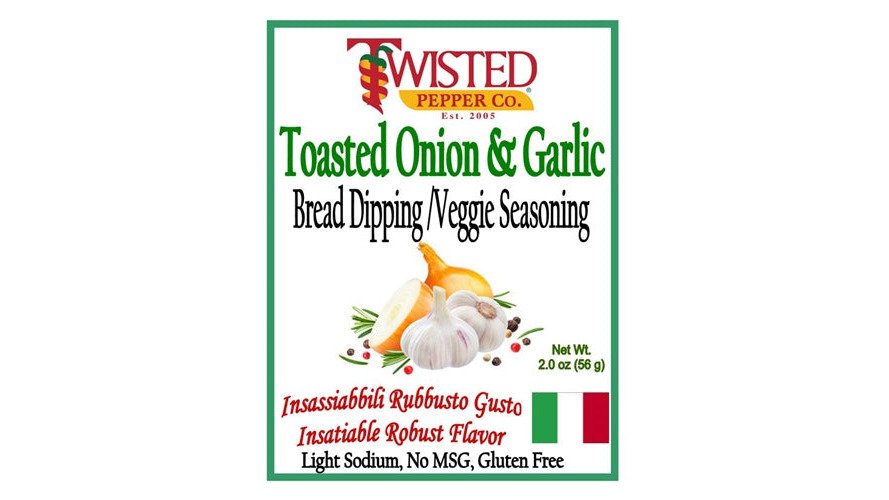
- Bread dip: Stir the Toasted Onion & Garlic Bread Dipping Seasoning into olive oil and let it fuse for 30 minutes.
Pricing, Value, and Where to Buy
Price is where the comparison gets honest, and it's also where most ranking pages wave their hands. Gourmet Farms and Dipstix both sell through retail channels, and their prices vary by store, region, and promotions, so there's no single number to quote. What you can compare is cost per serving and what each format buys you.
Cost per serving, not cost per package
The number on the shelf tag is misleading. What matters is how many servings the package yields once you've added the base.
- A dry dip mix typically makes about 2 cups of finished dip when combined with 2 cups of sour cream or Greek yogurt. At a party serving of 2 tablespoons, that's roughly 16 servings per package. If the mix costs $3 to $6 at retail, you're at roughly $0.19 to $0.38 per serving before the cost of the sour cream.
- A wet, ready-to-use dip usually comes in an 8 to 12 ounce tub and yields closer to 8 to 12 servings at the same 2-tablespoon size. At a typical $4 to $7 retail price, that's roughly $0.40 to $0.80 per serving, but with zero added base cost and zero prep time.
The hidden cost of the dry format
A dry mix isn't really $4. You're also buying 16 ounces of sour cream or a 32-ounce tub of Greek yogurt, which runs $2 to $5 depending on brand and store. That pushes the true cost of a dry-mix dip to roughly $6 to $11 for the same 2 cups a wet dip delivers for $4 to $7. The dry format still offers flexibility, you can use yogurt instead of sour cream, or make a cheeseball instead of a dip, but the sticker-price advantage shrinks once you account for the base.
Direct-to-door pricing
Twisted Pepper Co. sells direct to your door with clear pricing and no retailer markup. Dip mixes start at $5.95, and the Crazy About Dill Seasoning jar runs $12.99. Each dip mix makes about 2 cups, which covers a party platter comfortably. Buying direct means you skip the retailer markup but wait for shipping.

Which format wins for which use case
| Use case | Better format | Why |
|---|---|---|
| Party hosting (20+ guests) | Dry mix | Cost per serving drops sharply at volume; one mix covers a dip, a cheeseball, and a spread |
| Daily snacking (1-2 people) | Wet dip | No leftover base to spoil; open, dip, refrigerate |
| Dietary customization | Dry mix | You choose the base, Greek yogurt, light sour cream, or a dairy-free swap |
| Last-minute guests | Wet dip | Zero prep, zero chill time |
| Gift or hostess basket | Dry mix | Shelf-stable, ships well, looks intentional |
Is a pre-mixed blend worth more than buying individual spices?
You get a tested ratio and a blend that's already balanced. The trade-off is that you're paying for convenience and consistency, not raw spice volume. If you already keep toasted onion, roasted garlic, dill, and the rest on hand, you can approximate most blends.
Conclusion
Choosing between these two brands comes down to what you actually need at the table: mild and familiar, or bold and ready to serve.
Frequently Asked Questions
Are there gluten-free options for gourmet dip mixes?
Yes. Twisted Pepper Co. makes several gluten-free dip seasoning blends, including the Cheddar Onion Dip Mix/Cheeseball Mix, which is labeled gluten free. Always check the label on any gourmet dip mix before buying, since recipes and shared production lines can change. If you have celiac disease, contact the brand directly to ask about cross-contamination controls and third-party testing before you order.
Can I find low sodium gourmet dip mixes?
Twisted Pepper Co. offers low sodium dip seasoning options, such as the Cheddar Onion Dip Mix/Cheeseball Mix, which is labeled low sodium. If sodium is a concern, compare the sodium per serving on each label rather than relying on front-of-package claims. You can also start with less mix than the recipe calls for, taste the dip, and add more if you want a stronger flavor.
How do handcrafted dip mixes compare to mass-produced brands?
Handcrafted mixes like Twisted Pepper Co.'s are made using toasted onion, roasted garlic, and other named ingredients, while mass-produced brands often rely on commodity spice blends and anti-caking agents. The trade-off is price per serving and availability.
What ingredients should I look for in a high-quality dip mix?
Look for real herbs and spices listed first, such as toasted onion, roasted garlic, or dill, rather than salt or maltodextrin. Check for no MSG added, no artificial preservatives, and a clean label with ingredients you recognize. If you need gluten-free or low sodium options, verify those claims on the package. Twisted Pepper Co. lists its dip mixes as handcrafted, gluten free, and no MSG added.
Which dip mix brands offer the best variety for appetizers?
Twisted Pepper Co. sells several dip mixes that double as cheeseball mixes, including Crazy About Dill, Toasted Onion & Garlic, and Cheddar Onion, all priced at $5.95. Each mix works as a dip with sour cream or as a cheeseball with cream cheese and butter. That range covers dill, onion, garlic, and cheddar flavors, which handle most party appetizer needs without buying four separate specialty blends.