

Identify Gluten Cross-Contamination in Kitchen Spices
Table of Contents
- What Gluten Cross-Contamination Means in Spices
- How to Read Spice Labels for Gluten
- Common Seasonings That Contain Gluten
- Spice Jar Cross-Contamination: How It Happens
- Preventing Gluten Cross-Contact in a Shared Kitchen
- Step-by-Step: Inspecting Your Spices for Contamination
- What to Do With Questionable or Previously Opened Spices
- Frequently Asked Questions
Last Updated: October 12, 2026
What Gluten Cross-Contamination Means in Spices
Gluten cross-contamination spices occur when gluten particles end up in a spice jar even though the original spice itself doesn't contain gluten. This is different from a spice that naturally contains gluten. Cross-contact occurs during manufacturing, storage, or handling, sometimes even in your own kitchen.
For people managing celiac disease or gluten sensitivity, even tiny amounts matter. At Twisted Pepper Co., we understand this concern deeply, which is why our handcrafted, gluten-free seasonings are made without MSG.

The risk of gluten cross-contamination spices comes from shared equipment at spice factories, cross-contact during packaging, or contamination after you open the jar at home.
How to Read Spice Labels for Gluten
The label is your first defense. Start by looking for these key phrases on the ingredient list and packaging:
- "Gluten-free", a clear statement of intent
- "May contain gluten", a warning that contamination is possible
- "Processed in a facility that handles wheat", shared equipment risk
- "Manufactured on shared equipment with wheat products", direct cross-contact risk
- "Certified gluten-free", tested and verified by a third party
A spice labeled "gluten-free" tells you the manufacturer believes the product is safe. But the label doesn't always reveal how that safety was achieved. Some makers use dedicated equipment. Others use shared equipment but claim thorough cleaning between batches. The difference matters.
Look at the ingredient list itself. A spice blend with 5 ingredients is riskier than a single-ingredient spice because each ingredient introduces another potential source of contamination. If you see flour, wheat starch, or malt flavoring listed, that spice contains gluten, it's not cross-contamination, it's intentional inclusion.
Check the manufacturer's name and website. Reputable spice makers post allergen statements and facility information online. If you can't find this information, that's a red flag.
Common Seasonings That Contain Gluten
Some spice blends intentionally include gluten-containing ingredients. Knowing which ones helps you avoid them entirely or choose single-ingredient alternatives.
Blends that often contain gluten:
- Seasoning mixes with added starches or thickeners
- Garlic salt blends (some use wheat starch as an anti-caking agent)
- Spice rubs with added sugar or flour
- Curry powders (some brands add wheat flour for texture)
- Taco seasoning (many brands use wheat flour as filler)
- Gravy mixes and sauce seasonings
- Bouillon cubes (often contain wheat)
- Dry soup mixes with noodles or pasta Preparing your own mixtures at home eliminates these hidden additives, provided you focus on properly storing spice blends to maintain their potency and prevent degradation.
Single-ingredient spices that are naturally gluten-free:
- Black pepper
- Cumin
- Paprika
- Oregano
- Basil
- Thyme
- Rosemary
- Cinnamon
- Turmeric
Single-ingredient spices are your safest bet because there's nothing to hide in the label. However, even a pure black pepper can become contaminated during manufacturing or storage if the facility also processes wheat products.
This is where products like Twisted Pepper Co.'s Savory Italian Seasoning stand out. Our handcrafted blends are gluten-free by design, made without MSG, and formulated with low sodium so you control the salt in your meals. Each blend combines multiple herbs and spices without any hidden fillers or cross-contact risk.
Spice Jar Cross-Contamination: How It Happens
Once you bring a spice home, the contamination risk shifts to your kitchen.
How spice jars get contaminated at home:
A wet measuring spoon dipped into a spice jar introduces moisture. Moisture brings bacteria and mold.
Flour dust settles on jar lids and rims. When you open the jar, particles fall inside.
Shared measuring spoons are a major culprit. One spoon scoops flour from a bread recipe.
Double-dipping is dangerous. You scoop out a spice, use it, then dip the same spoon back into the jar.
Air exposure matters too. Every time you open a spice jar, flour dust from nearby surfaces can drift in.
Shelf placement creates risk. A spice jar stored next to a flour container or bread box gets exposed to airborne particles.
Preventing Gluten Cross-Contact in a Shared Kitchen
If you live with people who eat gluten, preventing cross-contact requires clear boundaries and consistent habits.
Create a dedicated spice zone. Store your gluten-free spices in a separate cabinet or shelf away from flour, bread, and wheat-based foods.
Use separate measuring spoons. Keep a set of measuring spoons exclusively for your gluten-free spices.
Clean before you cook. Wipe down countertops, cutting boards, and utensils with a damp cloth before preparing gluten-free food.
Establish hand-washing rules. Anyone handling bread or flour should wash their hands before touching your spices or cooking surfaces.
Store spices in airtight containers. Transfer spices to sealed jars with tight-fitting lids.
Keep spice jars closed. Don't leave lids off while cooking.
Designate a gluten-free cooking time. If possible, prepare gluten-free meals when others aren't baking or cooking with wheat.
Step-by-Step: Inspecting Your Spices for Contamination
A systematic inspection process helps you identify which spices are safe and which need to be replaced.
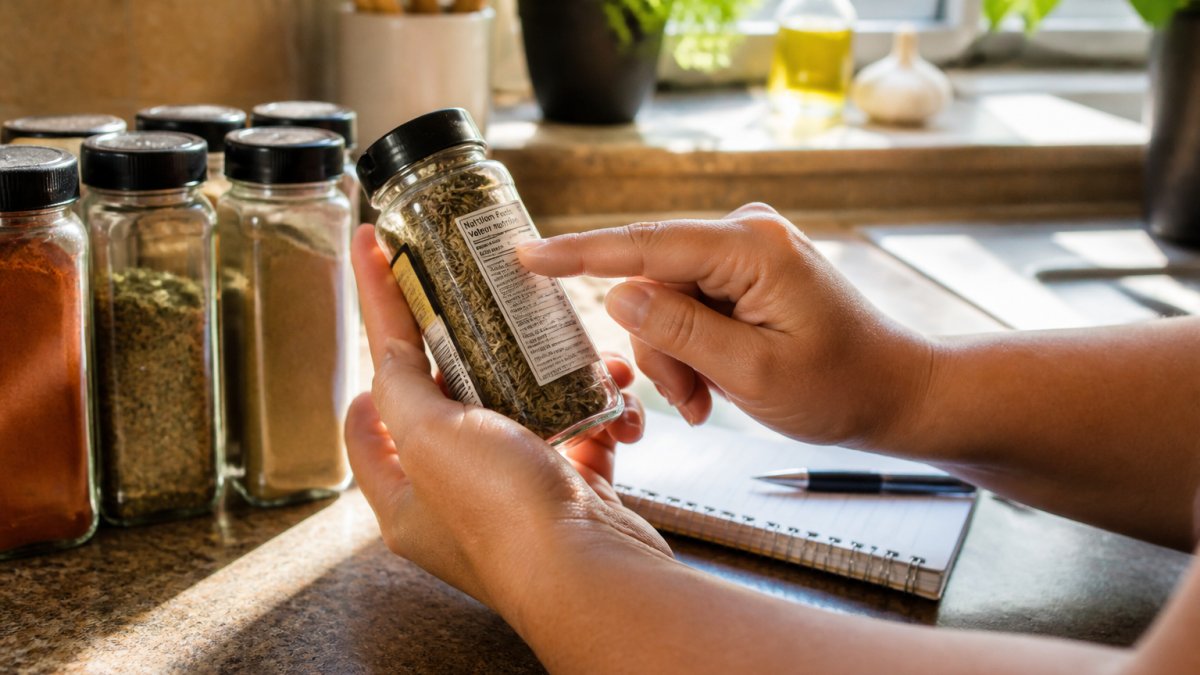
Step 1: Check the Original Packaging and Labels
Pull out the original container or packaging if you still have it. Read the ingredient list completely. Look for wheat, barley, rye, malt, or any flour-based ingredients.
Check the allergen statement on the back. It usually appears in a separate box or bold text. Look for these warnings:
- "Contains: wheat"
- "May contain: wheat"
- "Processed in a facility with wheat"
- "Manufactured on shared equipment with wheat"
Write down the manufacturer's name and website. You'll need this information for the next step.
If you don't have the original packaging, move to Step 2 and assess the jar itself.
Savory Italian Seasoning 2.0 oz →
Step 2: Examine the Jar Contents and Storage Container
Open the spice jar carefully. Look inside for visible particles that don't match the spice color. Flour dust is usually white or off-white.
Smell the spice. Does it smell like bread, wheat, or flour? Gluten-containing contaminants often have a distinct bready odor that stands out from the spice's normal smell.
Check the jar rim and lid. Wipe the inside of the lid with a clean, dry cloth.
Look at the spice's texture. Pure spices have consistent particle size. If you see larger clumps or unusual particles mixed in, contamination may have occurred.
Examine the jar's seal. Is the lid tight? Does it seal properly when closed? A loose-fitting lid allows contamination to enter over time.
Step 3: Verify Manufacturer and Facility Information
Visit the manufacturer's website and search for allergen information or facility details. Most reputable spice makers publish this information in a downloadable PDF or FAQ section.
Look for these statements:
- "Dedicated gluten-free facility", the safest option
- "Gluten-free equipment", indicates separate machines for gluten-free products
- "Cleaned between batches", suggests shared equipment with cleaning protocols
- "Certified gluten-free", third-party verification (look for certifications like GFCO or NSF)
Call the manufacturer if you can't find the information online. Ask specifically: "Is this spice made on dedicated equipment, or is it made on shared equipment that also processes wheat?"
The answer tells you the contamination risk level. Dedicated equipment means zero risk from manufacturing. Shared equipment with cleaning means low risk but not zero risk.
Step 4: Assess Single-Ingredient Versus Blended Spices
Single-ingredient spices are simpler to verify. Pure black pepper, cumin, or oregano from a reputable maker is easier to trust than a complex blend.
Blended spices introduce multiple contamination risks because each ingredient comes from a different source. A five-ingredient blend has five times the opportunity for cross-contact during manufacturing.
If a blend lists "spices" as a vague ingredient without specifying which spices, that's a red flag. The manufacturer isn't being transparent about what's inside.
For blended spices, contact the manufacturer and ask for the complete ingredient breakdown. Ask whether each ingredient is sourced from a gluten-free facility or a facility that also processes wheat.
Twisted Pepper Co.'s blends like the Tuscan Roasted Garlic Seasoning are handcrafted with transparency.

What to Do With Questionable or Previously Opened Spices
If you're unsure whether a spice is safe, don't take the risk.
For spices you're uncertain about:
Replace them. Buy new spices from manufacturers you trust.
If a spice has been open for more than six months, replace it regardless of contamination concerns.
For spices with visible contamination:
Discard them. Don't try to clean them or remove particles. Contamination is invisible at the microscopic level.
For spices from unknown sources:
For spices from shared kitchens:
If you've been sharing spices with people who cook with wheat, assume they're contaminated.
For older spices in your pantry:
Check the purchase date. Spices older than two years should be replaced anyway because flavor degrades.
A simple rule: when in doubt, throw it out. Your health is worth more than a spice jar.
| Spice Status | Action | Why |
|---|---|---|
| Sealed, unopened, certified gluten-free | Keep | No contamination risk |
| Open, used for 1-3 months, no visible particles | Keep | Low contamination risk if stored properly |
| Open, used for 6+ months | Replace | Potency degrades, contamination risk increases |
| Visible particles or residue | Discard | Contamination confirmed or suspected |
| Unknown origin or source | Discard | Cannot verify safety |
| Shared kitchen, wheat-based foods present | Replace | Cross-contact risk too high |
Identifying gluten cross-contamination in your spices requires attention to labels, manufacturing practices, and kitchen habits.
At Twisted Pepper Co., we've eliminated this guesswork by crafting every blend with gluten-free ingredients. Our handcrafted seasonings, dip mixes, and BBQ rubs are made without MSG and formulated with low sodium so you control the salt in your meals. Shop our collection of gluten-free seasonings and cook with confidence knowing exactly what's in every jar. Shop Now.
Frequently Asked Questions
What common seasonings contain gluten?
Wheat-based spice blends, seasoning mixes with added starches or thickeners, and blends containing barley malt flavoring often contain gluten. Single-ingredient spices like pure black pepper, garlic powder, or paprika are typically gluten-free, but pre-mixed seasonings, curry powders, and some BBQ rubs may include gluten-containing ingredients. Always check the label for wheat, barley, rye, or 'may contain gluten' warnings. Twisted Pepper Co. seasonings like Savory Italian Seasoning and Tuscan Roasted Garlic are certified gluten-free with no MSG added, making them safe choices for gluten-sensitive diets.
Can a spice jar become contaminated with gluten after purchase?
Yes. Spice jar cross-contamination happens when flour dust, bread crumbs, or gluten-containing food particles transfer into the jar through shared utensils, measuring spoons, or contaminated hands. In a shared kitchen, using the same scoop for both gluten-containing and gluten-free spices spreads cross-contact. Even a small amount of flour dust settling into an open spice jar can contaminate the entire contents. To prevent this, use dedicated measuring spoons for gluten-free spices, store jars with tight-fitting lids, and keep them away from areas where wheat flour or bread is prepared.
How can you prevent gluten cross-contact when sharing a kitchen?
Establish separate preparation areas and dedicated equipment for gluten-free cooking. Use distinct cutting boards, utensils, and measuring spoons labeled for gluten-free use only. Store gluten-free spices and seasonings on a separate shelf away from wheat flour, bread, and pasta. Clean all surfaces, utensils, and cookware thoroughly with hot soapy water before preparing gluten-free meals. Wash hands after handling gluten-containing foods. Keep a designated colander and toaster for gluten-free use if possible. Communicate clearly with other household members about cross-contact risks, especially for people with celiac disease who require strict avoidance.
Should you replace spices after a gluten cross-contamination incident?
If a spice jar was directly exposed to gluten-containing food or flour dust, replacement is the safest option for people with celiac disease. For milder exposure or if contamination is uncertain, discard the top layer and thoroughly clean the jar's interior and lid before refilling. Single-ingredient spices may be salvageable if sealed and stored properly after cleaning, but blended spices are harder to fully decontaminate. When in doubt, err on the side of caution and replace the spice. Investing in fresh, gluten-free seasonings ensures peace of mind and safety for your household.