

Best Wood Chips for Grilling Chicken: Flavor Guide
Last Updated: November 11, 2026
Quick Summary
Apple wood chips are the best starting point for grilling chicken breast, because they burn clean and give a light, slightly sweet smoke. Cherry and pecan suit whole birds, wings and thighs, while mesquite and hickory are strong options best reserved for bold, spicy dark meat.
- Apple wood gives mild, slightly sweet smoke that suits boneless chicken breast.
- Cherry works well on whole birds and wings, adding a fruity sweetness and rich skin color.
- Pecan is nutty and medium-intensity, pairing nicely with chicken thighs and drumsticks.
- Use hickory sparingly on chicken, since its bold, bacon-like flavor can turn harsh.
- Avoid pine, cedar and pressure-treated wood, which release unpleasant flavors.
Table of Contents
- Why Wood Chips Matter for Grilled Chicken
- Apple Wood Chips: Mild, Sweet Smoke for Chicken Breast
- Cherry, Pecan and Hickory: Fruity to Bold Options
- Mesquite Wood for Smoking Chicken: When Strong Works
- Choosing Wood Chips for Chicken Thighs and Wings
- Preparing Chips and Setting Up Your Grill
- Your Next Step: Pick a Wood and Season Your Next Batch
- Frequently Asked Questions
Most people grill chicken with a rub and call it smoky. The wood you choose changes that smoke more than almost any other decision on the grill. Apple, cherry, hickory, pecan, oak and mesquite each push the flavor in a different direction, and the wrong pick can bury a delicate chicken breast under a heavy taste. This guide from Twisted Pepper Co. walks through the best wood chips for grilling chicken, the cuts each one suits, and how to set up your grill so the smoke stays clean.
Why Wood Chips Matter for Grilled Chicken
Wood chips add flavor through smoke, and smoke carries aroma that a rub alone cannot deliver. Chicken takes on smoke quickly because its mild flavor leaves room for the wood to stand out. That is also why a strong wood can overwhelm it.
Think of wood as a seasoning in its own right. A light fruit wood gives a gentle sweetness, while a dense hardwood gives a deeper, more assertive smoke. We recommend starting mild and moving stronger only once you know how your grill and your palate respond.
Apple Wood Chips: Mild, Sweet Smoke for Chicken Breast
Apple wood is the safest starting point for chicken breast. It burns clean and produces a light, slightly sweet smoke that never fights the meat. Chicken breast is lean and easy to dry out, so a gentle wood helps you keep the flavor balanced.
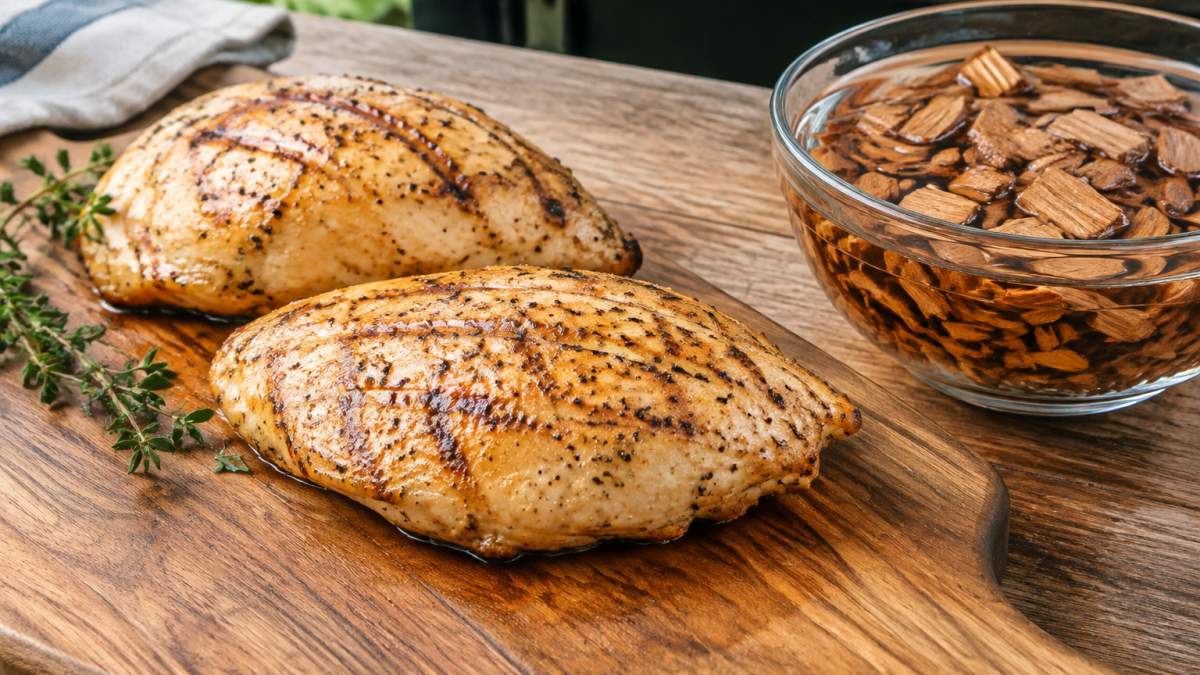
Best for: first-time smokers and anyone grilling boneless breasts. Skip if: you want a bold, barbecue-style crust.
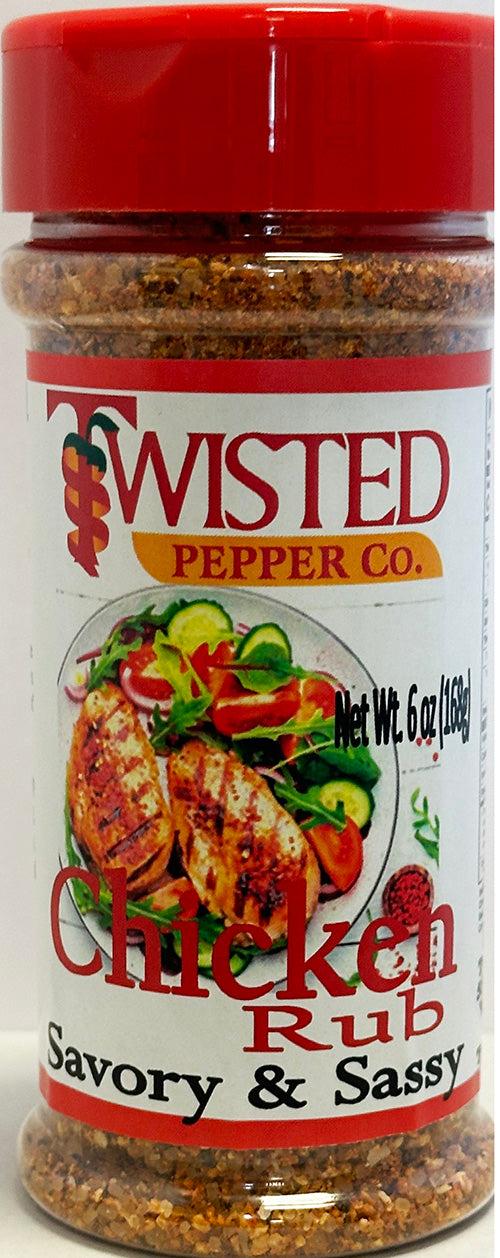
Pair apple wood with a mild rub. The Chicken Rub 5.5 oz. Jar at $10.49 is a good match because its savory profile lets the fruitiness come through instead of competing with it.
Cherry, Pecan and Hickory: Fruity to Bold Options
These three woods sit between sweet and assertive, and they suit different cuts.
- Cherry adds a mild, fruity sweetness and a rich color to the skin. It works well on whole chicken and wings.
- Pecan is nutty and medium-intensity. It pairs nicely with thighs and drumsticks, which have enough fat to carry a bit more smoke.
- Hickory is the classic barbecue wood. It is bold and bacon-like, so use it sparingly on chicken to avoid a harsh taste.
Best for: cherry on whole birds, pecan on thighs, hickory when you want a traditional barbecue profile. Skip if: you are cooking breast meat and want subtlety; hickory will dominate.
The article ranks these three woods by how they suit different chicken cuts.
| Wood | Flavor | Best for |
|---|---|---|
| Cherry | Mild, fruity sweetness | Whole birds, wings |
| Pecan | Nutty, medium intensity | Thighs, drumsticks |
| Hickory | Bold, bacon-like | Traditional barbecue, used sparingly |
Mesquite Wood for Smoking Chicken: When Strong Works
Mesquite is the most intense wood here. It produces a strong, earthy smoke that can overpower chicken quickly. Use it only when you want a bold result, such as chicken thighs with a spicy rub.
Pair mesquite with a peppercorn-forward seasoning. The Smoked Paprika Peppercorn Chile Rub 5 oz. at $10.49 stands up to strong wood better than a delicate rub would.
Best for: dark meat with bold seasoning and anyone who likes a Texas-style smoke. Skip if: you are grilling breast meat or cooking for guests who prefer mild flavor.
Choosing Wood Chips for Chicken Thighs and Wings
Dark meat and wings can take more smoke than breast meat, but they are not interchangeable. For a deeper guide on seasoning grilled chicken breast alongside the smoke, see best spices for grilled chicken breast. The right wood depends on how long the cut cooks, how much fat and skin it carries, and how much surface area is exposed to smoke.
Thighs and drumsticks. These cuts have more fat and connective tissue, so they stay moist through a longer cook and carry a stronger smoke without turning harsh. Pecan is a strong default because its nutty, medium-intensity smoke complements the richer meat. Cherry works well when you want a fruitier profile and a deeper color on the skin. Hickory is the classic barbecue choice, but use it in smaller amounts and pair it with a bold rub so the smoke does not dominate.
Wings. Wings cook fast and have a high skin-to-meat ratio, so they pick up smoke quickly and can turn bitter if the fire is dirty or the chips are overused. Apple and cherry are the safest choices because their mild sweetness complements the skin without overwhelming the meat. A small amount of pecan adds depth if you want more than fruit wood alone. Hickory and mesquite are best reserved for wings only when the rub is spicy and the cook is short.
Whole chicken. A whole bird sits between the two extremes. It has enough fat and skin to handle cherry, pecan, or a mild blend, but the breast meat still benefits from restraint. A common approach is cherry or apple for the base smoke with a small handful of pecan added early for depth.
Boneless breasts. Keep these on apple or cherry and use less smoke overall. Breast meat is lean and mild, and a strong wood will bury it.
A simple comparison framework. Rank woods by intensity first, then by sweetness. Apple and cherry are mild and sweet; pecan is medium and nutty; oak is medium and clean; hickory is strong and bacon-like; mesquite is the strongest and most earthy. Match the wood to the cut's fat and cook time: the leaner and faster the cut, the milder the wood should be.
Wings benefit from a rub that caramelizes over direct heat at the end of the cook. The Garlic Jalapeno Seasoning 6 oz. at $10.49 adds heat and garlic that pair well with fruitier woods on wings, and it holds up when you finish them over the coals.
Preparing Chips and Setting Up Your Grill
Grilling chicken is not the same as low-and-slow smoking, and the chip setup should reflect that. On a hot grill, chicken cooks in 20 to 45 minutes depending on the cut, so you have a short window to lay down clean smoke. The goal is steady, thin blue-gray smoke during the first two-thirds of cooking, not a thick white cloud that deposits creosote and turns bitter.
Soaking is optional, not mandatory. Soaked chips smolder longer and release smoke more slowly, which helps on a hot gas grill where dry chips can flash and burn off in minutes. Dry chips light faster and produce smoke almost immediately, which suits a charcoal grill where you already have a bed of coals. A common pattern is to soak about 30 minutes, drain well, and add them in small batches so you can control the smoke rather than dumping a full bag at once.
Gas grill setup. Use a smoker box or a double layer of heavy-duty foil punched with a few holes. Place it directly over one lit burner, close the lid, and let the chips begin to smolder before the chicken goes on. Grill over indirect heat with the chicken on the unlit side, lid down, and the burner under the chips on low to medium. Add a small handful of drained chips every 20 to 30 minutes only when the smoke thins out.
Charcoal grill setup. Push the lit coals to one side for a two-zone fire. Scatter a small handful of drained chips directly on the coals or nest them in a foil pouch near the coals. Cook the chicken on the cooler side, lid on, with the vents open enough to keep the fire breathing. If the smoke turns thick and white, close the lid vents slightly and let the fire settle rather than adding more chips.
How much to use. For a whole chicken or a batch of thighs, start with about 1 to 1.5 cups of chips total and add in small increments. More chips do not mean more flavor; past a point they mean harsher flavor. If you can smell smoke strongly from several feet away, you are probably running too hot or too smoky.
Watch out: avoid treated, painted, stained, or resinous softwoods such as pine, cedar, and pressure-treated lumber. These release unpleasant flavors and potentially harmful compounds, so buy wood sold specifically for cooking and keep it dry and covered between cooks.
Temperature control matters more than chip volume. Aim to hold the grill in the 325°F to 375°F range for chicken, using a reliable thermometer at grate level. Chicken is safe when the thickest part of the breast reaches 165°F and thighs reach 175°F to 185°F for better texture. Smoke color and cook time are not doneness signals; only an instant-read thermometer is.
Season the chicken before it goes on the grill so the rub has time to set. The Grillin' Girl 3 Pack at $29.00 includes the Chicken Rub 5 oz., Pig Sweat Rub 5 oz. and Texas Steak Rub 5 oz., which makes it easy to try different flavor profiles with different woods.
Your Next Step: Pick a Wood and Season Your Next Batch
Start with apple wood and a mild rub on your next chicken breast, then move to pecan or cherry for thighs and wings as you get comfortable. Mesquite and hickory are worth trying once you know how strong smoke affects your grill. Explore the full Twisted Pepper Co. collection to find the rub that matches your wood, and bring a little more flavor to your next cookout.
Frequently Asked Questions
Which wood chips are best for chicken?
Apple, cherry and pecan are the most reliable choices for chicken because their smoke is mild and slightly sweet, so it complements the meat without overpowering it. Hickory is a good pick when you want a more traditional barbecue flavor, but it is stronger and works best in moderation. For a balanced result on most chicken cuts, start with apple or cherry and move to hickory once you know how much smoke you like. Chips are sold in bags of various sizes, so buy a small amount first.
Should you soak wood chips before grilling chicken?
Soaking is optional and depends on how you plan to use the chips. Soaked chips tend to smolder and produce more smoke over a shorter period, which suits quick grilling. Dry chips ignite faster and burn hotter, which can produce a sharper, more acrid smoke. Many grillers wrap chips in foil with holes poked in them or use a smoker box, regardless of soaking. Whichever method you choose, keep the chip quantity modest so the chicken does not taste bitter.
Are mesquite wood chips too strong for chicken?
Mesquite is intense and earthy, so it can overwhelm delicate chicken breast if you use too much. It works better on thighs, wings and whole birds that have more fat and can stand up to bold smoke. Use a small handful of chips rather than a full batch, and consider mixing mesquite with a milder wood like apple to soften the profile. Taste a test piece before committing a full batch to the grill.
How much wood should you use when grilling chicken?
A small handful of chips, roughly one cup, is enough for a typical grill session with chicken. Add more only if you want a stronger smoke flavor, and add chips in batches rather than all at once to control the smoke. Too much wood produces heavy, bitter smoke that can make the skin taste harsh. Adjust the quantity based on the cut, since thighs and wings tolerate more smoke than breasts.
