

Best Seasonings for Budget-Friendly Chicken Recipes
Table of Contents
- Why Chicken Seasonings Stretch a Tight Grocery Budget
- How to Season Chicken: A Simple 3-Step Method
- Easy Chicken Seasoning Blends That Cost Less Per Serving
- Homemade Chicken Seasoning: 4 Pantry Blends Under $1 Per Batch
- Chicken Breast Seasoning Ideas for Fast Weeknight Dinners
- Seasoning by Cut and Cooking Method: Thighs, Whole Birds, Grill, and Oven
- Salt, Sugar, and Sodium: Reading Packaged Blends Before You Buy
- Batch Prep, Storage, and Shelf Life for Budget Blends
- Frequently Asked Questions
Last Updated: October 17, 2026
Why Chicken Seasonings Stretch a Tight Grocery Budget
Chicken is the cheapest protein most households can put on the table, which makes the best seasonings for budget friendly chicken recipes the highest-use purchase in your pantry.
Most guides get this wrong: people treat seasoning as an afterthought, then overspend on marinades and sauces to rescue bland meat. A well-built spice blend does the same work for pennies per serving.
Seasoning is the practice of adding salt, herbs, spices, and aromatics to food before or during cooking to build flavor. The USDA FoodData Central database is a useful reference for checking what's actually in the blends you buy.
How to Season Chicken: A Simple 3-Step Method
Good seasoning comes down to three moves: dry the surface, salt early, and give the rub time to sit.
Step 1: Dry the Surface and Salt Early
Pat the chicken dry with paper towels. Surface moisture steams instead of browning, and browning is where flavor lives. Salt now, even 20 minutes ahead, so it penetrates rather than sitting on top.
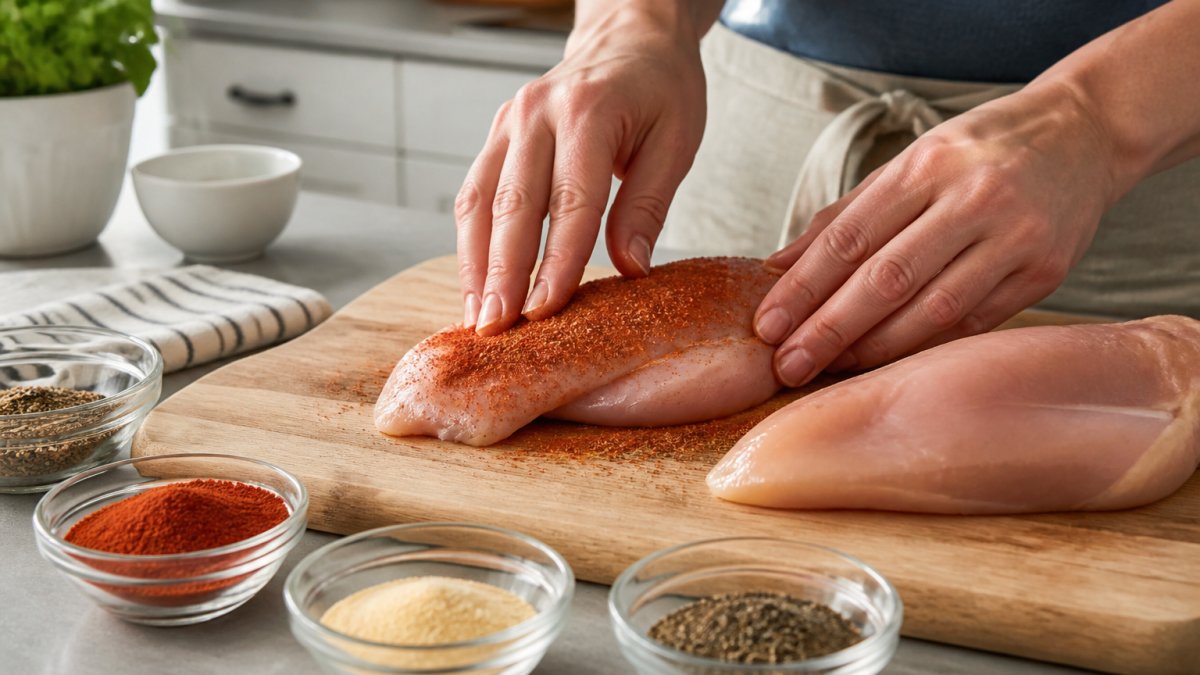
Step 2: Apply the Rub or Marinade
Press the blend into both sides with your fingers. For a rub, use about a tablespoon per pound. For a marinade, whisk the seasoning with oil and an acid like lemon juice or red wine vinegar, then coat and refrigerate.
Step 3: Rest Before Cooking
Let seasoned chicken sit for 20 minutes at room temperature, or up to a few hours in the fridge. The longer it rests, the deeper the flavor. Grill, roast, or pan-sear as usual.
Easy Chicken Seasoning Blends That Cost Less Per Serving
The cheapest blends are the ones you build from spices you already own. A pre-mixed rub saves time, but the useful question is not "which jar is cheapest" but "what does one seasoned pound of chicken actually cost me?"
| Option | Typical Jar Size | Approx. Cost Per Pound of Chicken | Best For | Trade-off |
|---|---|---|---|---|
| Homemade pantry blend | 1/4 cup batch | $0.20-$0.30 | Batch cooking, full control | Takes 5 minutes to mix |
| Single-spice jar | 2-3 oz | $0.25-$0.40 | One-note dishes | Less balanced flavor |
| Pre-mixed rub | 5-6 oz | $0.50-$0.75 | Speed, consistency | Higher per-serving cost |
| Marinade or sauce | 12-16 oz bottle | $0.75-$1.25 | Weekend cooking | Adds sugar and sodium |
Three Pantry Blends That Beat the Jar
Each of these makes about a quarter cup and uses only common pantry staples.
- Everyday all-purpose: 2 tbsp paprika, 1 tbsp garlic powder, 1 tbsp onion powder, 1 tsp black pepper, 1 tsp salt. Roughly $0.90 per batch.
- Smoky: 2 tbsp smoked paprika, 1 tbsp cumin, 1 tbsp garlic powder, 1/2 tsp cayenne. Roughly $1.10 per batch, since smoked paprika costs more than sweet.
- Lemon-herb: 1 tbsp dried rosemary, 1 tbsp dried parsley, 1 tbsp dried basil, 1 tbsp lemon zest, 1 tsp black pepper. Roughly $1.00 per batch.
Substitutions That Keep the Cost Down
If a blend calls for a spice you do not own, swap rather than shop. Smoked paprika substitutes for sweet paprika plus a pinch of cumin. Onion powder and garlic powder trade places in equal amounts. Dried thyme stands in for oregano, and lemon pepper can replace lemon zest plus black pepper. Each swap avoids a jar you will use once.
The rule we follow: keep one all-purpose, one smoky, and one citrus blend on hand. Three jars cover almost every chicken recipe you'll cook in a month.
Homemade Chicken Seasoning: 4 Pantry Blends Under $1 Per Batch
Homemade chicken seasoning is a mix of dried herbs and spices you combine yourself. Each blend below makes roughly a quarter cup from spices most kitchens already stock.
Basic All-Purpose Blend
Two tablespoons paprika, one tablespoon garlic powder, one tablespoon onion powder, one teaspoon black pepper, and one teaspoon salt. This is the workhorse. Use it on chicken breast, thighs, or a whole bird.
Smoky Paprika Blend
Two tablespoons smoked paprika, one tablespoon cumin, one tablespoon garlic powder, and a half teaspoon cayenne. The smoke reads as "grilled" even when you're using the oven.
Lemon-Herb Blend
One tablespoon dried rosemary, one tablespoon dried parsley, one tablespoon dried basil, one tablespoon lemon zest, and one teaspoon black pepper. Bright and aromatic, ideal for roasted chicken.
Tex-Mex Blend
Two tablespoons chili powder, one tablespoon cumin, one tablespoon garlic powder, one teaspoon dried oregano, and a pinch of cayenne. Great for fajitas, tacos, and sheet-pan dinners.
Chicken Breast Seasoning Ideas for Fast Weeknight Dinners
Chicken breast is lean and mild: it takes seasoning well but punishes under-seasoning. The best chicken breast seasoning ideas lean on strong, aromatic flavors that stand up to a quick cook.
Try a garlic-forward approach: rub the breast with olive oil, coat generously with a roasted garlic blend, and sear it in a hot pan. Our Tuscan Roasted Garlic Seasoning is built for exactly this, low sodium and gluten free, so the flavor comes from the herbs rather than a salt bomb.

For something with heat, a jalapeno-lime rub gives lean breast a zesty edge that pairs well with rice or a simple salad. And when you want a shortcut that still tastes homemade, a pre-mixed Tex-Mex blend turns plain chicken into fajita filling in one pan.
The common mistake with breast meat: people season the outside and never get flavor inside. Butterfly the breast or pound it thin first, then season both sides.
Seasoning by Cut and Cooking Method: Thighs, Whole Birds, Grill, and Oven
Different cuts need different treatment. Thighs are fattier and forgiving, so they handle bold, spicy blends and long cooks. Whole birds benefit from a rub under the skin as well as on it. Grilled chicken wants a rub with a little sugar to caramelize; oven-roasted chicken does better with herb-heavy blends that won't scorch.
| Cut | Best Blend Style | Cooking Method | Why |
|---|---|---|---|
| Chicken breast | Garlic or citrus | Stovetop, quick roast | Lean meat needs bold flavor |
| Chicken thighs | Smoky or spicy | Grill, braise | Fat carries heat and smoke |
| Whole bird | Herb and paprika | Oven roast | Even coverage under skin |
| Wings | Sweet-heat rub | Grill, broil | Sugar helps browning |
A dry rub works best on the grill because it forms a crust. A marinade suits the oven, where moisture matters more. Match the method to the blend and you'll stop guessing.
Salt, Sugar, and Sodium: Reading Packaged Blends Before You Buy
Flip the jar over before you buy it. The ingredient list tells you more than the front label ever will, and for anyone managing sodium, it's the difference between a useful shortcut and a salt delivery system.
Packaged blends vary widely. The order of ingredients is your fastest read: whatever is listed first is present in the largest amount, and if salt or sugar leads the list, you are paying for filler, not flavor.
A Simple Label Comparison
Use the Nutrition Facts panel to compare two jars side by side. Look at three numbers per serving: sodium in milligrams, added sugars in grams, and serving size.
As a rough guide, a blend that delivers more than about 300 mg of sodium per seasoned pound of chicken is doing a lot of your salting for you. The FDA guidance on sodium in the diet explains daily targets in plain terms if you want a reference point.
Sugar is the other thing to watch. It helps browning on the grill, but a sugar-heavy rub can burn over high heat. Check where sugar falls in the ingredient list and whether it appears under a name like dextrose, maltodextrin, or brown sugar.
Salt-Free and Low-Sodium Swaps
If you are cutting sodium, you do not have to give up flavor. Build the blend without salt and salt the chicken separately so you control the amount, just omit the salt and add a quarter teaspoon at the pan instead.
Allergy-aware cooks should scan for the same top-three ingredients plus any "contains" statement. Pre-mixed blends sometimes include wheat-based anti-caking agents, celery salt (a hidden sodium source), or dairy powder. A homemade blend from single-ingredient jars sidesteps most of that guesswork.
The first three ingredients on a label tell you what you're really buying. If salt or sugar leads the list, you're paying for filler, not flavor, and you'll want to adjust how much you add at the pan.
Batch Prep, Storage, and Shelf Life for Budget Blends
Mix your blends in batches and store them in airtight jars away from heat and light.
Label each jar with the date you mixed it, and keep a dedicated shelf so weeknight cooking becomes grab-and-season rather than hunt-and-guess.
- Mix blends in quarter-cup batches
- Store in airtight glass jars
- Label with the mix date
- Keep away from the stove and direct sun
- Replace blends you haven't touched in a year
For cooks who'd rather skip the mixing, our Chicken Rub is a low sodium, gluten free dry rub built for exactly this job, and it doubles as a marinade base with honey, olive oil, and orange juice.

Budget cooking doesn't have to mean bland chicken. Start with one all-purpose blend and one smoky blend, and you'll cover most of what you cook. Shop now and taste the difference a good seasoning makes.
Frequently Asked Questions
How much seasoning should I use per pound of chicken?
A good rule of thumb is 1 to 2 teaspoons of a dry blend per pound of chicken, depending on how bold the blend is and whether it already contains salt. For a low-sodium rub like Twisted Pepper Co.'s Chicken Rub, you can go closer to 2 teaspoons without overpowering the meat. Press the seasoning into both sides, refrigerate for at least 20 minutes, then cook. If you are marinating, use 1 to 2 tablespoons of seasoning with 1/4 cup oil and an acid like orange juice or vinegar.
Can I use the same seasoning blend for chicken breasts and thighs?
Yes, most blends work on both, but the application changes. Chicken breasts are lean and cook fast, so use a lighter hand and add oil to help the seasoning stick. Thighs have more fat and tolerate heavier rubs, longer marinades, and higher heat. A blend with paprika, garlic, and a little cayenne suits both. For thighs, apply the rub and let them sit 30 minutes or more; for breasts, 20 minutes is enough before grilling, roasting, or searing.
How can I make chicken taste flavorful on a budget?
Buy whole spices or large jars of staples like paprika, garlic powder, cumin, and black pepper, then mix your own blends. Acid is your cheapest flavor booster: a squeeze of lemon juice, a splash of red wine vinegar, or a spoon of soy sauce adds brightness. Combine that with a low-sodium rub and you get great flavor.
What can I use instead of chicken seasoning?
If you are out of a dedicated blend, combine equal parts garlic powder, onion powder, and paprika, then add salt, black pepper, and a pinch of dried rosemary or parsley. Soy sauce, Italian dressing, or a spoon of Dijon mustard also work as quick coatings. For Tex-Mex flavor, cumin plus chili powder does the job. The key is balancing salt, aromatics, and a little acid or heat so the chicken does not taste flat.
Are packaged chicken seasonings worth the price compared to buying individual spices?
It depends on how often you cook chicken and how many spices a blend requires. A jar like Twisted Pepper Co.'s Tuscan Roasted Garlic Seasoning at $6.99 or the 5.5 oz Chicken Rub at $10.49 saves you from buying five or six separate jars, and the blends are gluten-free, low sodium, and MSG-free. If you already stock a full spice rack, homemade blends can be a good option. If you want consistent flavor fast, a pre-mixed jar can be a convenient choice.