

Best BBQ Rubs for Smoking: Top Picks for 2026
Table of Contents
- Quick Comparison: Top BBQ Rubs for Smoking
- How We Picked the Best BBQ Rubs
- Best BBQ Rub for Brisket: Roadhouse Brisket Rub
- The Award-Winning Choice for Pork: Pig Sweat BBQ Rub
- For the Grill Master: Cow Hide Rub and Coffee Chile Rub
- Understanding Gluten-Free BBQ Seasoning
- Choosing Low Sodium BBQ Rubs for Better Health
- How to Apply BBQ Rub Like a Pitmaster
- Frequently Asked Questions
Last Updated: September 7, 2026
Quick Comparison: Top BBQ Rubs for Smoking
Smoking meat low and slow is an art, and the canvas starts with the rub. The best bbq rubs for smoking balance salt, sugar, and heat to build that coveted bark and smoke ring. At Twisted Pepper Co., we handcraft small-batch seasonings that skip the fillers.
Quick Picks:
- Best for Brisket: Roadhouse Brisket Rub, a balanced Texas-style blend for deep crust development
- Best for Pork: Pig Sweat BBQ Rub, a Scovie Award winner built for ribs and tenderloin
- Best for Heat Lovers: Fired Up 3 Pack, garlic jalapeno and spicy chicken blends for those who like sweet heat
The right rub drives moisture retention, fuels caramelization, and creates the savory, spicy, and tangy layers that define competition-grade barbecue. Below, we break down our top picks and show you how to apply them like a pitmaster.

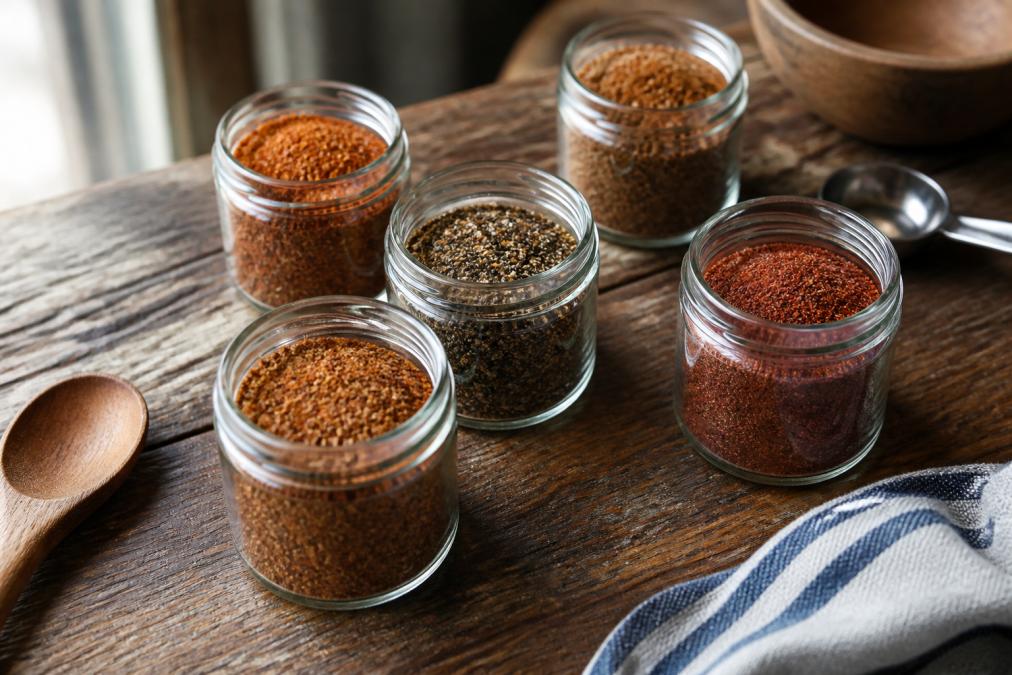
How We Picked the Best BBQ Rubs
Choosing a rub comes down to ingredients, balance, and how it performs at smoking temperature. The real differentiator is understanding what's actually in the jar, and what's been left out.
The Additive Problem in Commercial Rubs
Most mass-market rubs rely on a handful of chemical additives to cut costs and extend shelf life. The most common culprits you'll find on ingredient labels include:
- Silicon dioxide - An anti-caking agent that keeps spice blends free-flowing. It's generally recognized as safe by the FDA, but it adds zero flavor and is a telltale sign of a high-volume production process.
- Soybean oil or partially hydrogenated oils - Sometimes added to make rubs clump less or adhere better. These can go rancid at smoking temperatures and leave an off-flavor on your bark.
- Artificial smoke flavor - A shortcut that creates a one-dimensional profile and can clash with the actual wood you're burning.
- MSG (monosodium glutamate) - While MSG itself is safe and naturally occurs in ingredients like tomato powder and yeast extract, many consumers actively avoid it. More importantly, commercial rubs often use it to mask cheap, flat spice blends.
- Caramel color - Used to darken rubs so they look like they'll produce a deep bark, even when the actual spice content is thin.
We prioritized blends with clean labels: no MSG and gluten-free. A rub should enhance the meat, not mask it with a one-note salt bomb or a chemical aftertaste.
What Clean-Label Actually Means
A truly clean-label rub is one where every ingredient serves a flavor or texture purpose: whole spices ground in small batches and no fillers. A short ingredient list, chiles, salt, sugar, garlic, onion, pepper, signals the manufacturer is confident in the raw materials.
Flavor Architecture and Texture
We also evaluated flavor architecture. Great barbecue seasoning layers brown sugar sweetness against smoked paprika, coarse black pepper, and chili powder. The ratio matters: a rub that leads with salt cures the meat surface before it renders; one that leads with sugar burns before the smoke penetrates.
Texture matters too. A rub with fine particles can clump or burn, while a coarser grind adheres better and builds bark. We looked for a mix of granule sizes, fine enough to dissolve into the meat's surface, coarse enough for crust texture.
The Salt-to-Sugar Balance
Every rub is a ratio problem. For beef, the classic Texas-style profile is heavy on salt and black pepper (often 1:1 or 2:1 pepper-to-salt). For pork, sugar typically leads to balance the fat. For chicken, you want enough salt to crisp the skin but not so much that it draws out moisture during a long smoke. We tested each rub against these benchmarks for its intended protein.
How We Tested
We ran each rub through a standard protocol: applied to a 2-pound pork shoulder and a 3-pound brisket flat, smoked at 250°F with hickory, and evaluated at the 1-, 3-, and 6-hour marks. We looked for bark formation, color development, and whether the rub held up without burning or flaking off. We also tasted the finished meat plain, no sauce.
According to USDA guidelines on meat preparation and safe handling, proper seasoning and cooking temperatures are essential for both flavor and food safety. That's why we also verified that each rub performed well at the recommended safe internal temperatures for each protein.
Best BBQ Rub for Brisket: Roadhouse Brisket Rub
For a cut that spends 12-plus hours in the smoker, you need a rub that can keep up. Roadhouse Brisket Rub is our top pick because it enhances the beef without overpowering it.
This Wichita-made blend combines chiles and Texas spices with a low-sodium base. A heavy salt rub can draw moisture out before the fat renders, so this yields a cleaner crust and deeper smoke ring.
Many pitmasters apply rub too early and pull the brisket straight from the fridge. Let the rub absorb at room temperature for 20 to 30 minutes before smoking. For more intense flavor, press the rub into both sides and refrigerate for two hours before cooking.
The Award-Winning Choice for Pork: Pig Sweat BBQ Rub
Pork ribs and shoulder need a rub with a little sweetness to balance the rich, fatty meat. Pig Sweat BBQ Rub took first place in the Scovie Awards for 2024 and 2025.
This signature pork rub is low sodium and MSG-free, letting the natural pork flavor shine on ribs, tenderloin, roast, and chops. The key step: remove the membrane from the back of the ribs, then apply a mustard binder before rubbing both sides generously.
A common mistake is skipping the rest period after smoking. When ribs hit the target temperature, wrap them in foil and place them in an empty cooler for 30 minutes so the meat reabsorbs juices.
For the Grill Master: Cow Hide Rub and Coffee Chile Rub
For beef lovers who rotate between steaks and burgers, Cow Hide Rub brings a bold blend of chiles and spices that stands up to high heat and long smokes alike.
Coffee Chile Rub adds unexpected depth. The coffee doesn't taste like your morning cup; it amplifies the savory umami while the chiles provide gentle warmth. One customer uses it on beef and turkey burgers, adding the rub to a bag with chicken an hour before grilling, and skips BBQ sauce entirely because the flavor is complete.

Both rubs are all-natural, gluten-free, and low sodium. They also double as a fast marinade when mixed with Worcestershire, soy sauce, and a splash of coffee or beer.
Understanding Gluten-Free BBQ Seasoning
For anyone with celiac disease or a gluten sensitivity, seasoning is a hidden risk. Many commercial rubs use wheat-based fillers or share processing lines with gluten-containing products.
Gluten-free bbq seasoning must be verified, not assumed. We formulate every rub without gluten ingredients, because a single exposure can ruin more than a meal.
When shopping, look for rubs that state gluten-free on the label and confirm the facility handles only gluten-free products. The FDA food labeling guidelines for gluten-free claims require that products labeled gluten-free contain less than 20 parts per million of gluten, a standard that offers real protection for sensitive individuals.
Choosing Low Sodium BBQ Rubs for Better Health
Managing sodium intake doesn't mean sacrificing flavor. Low sodium bbq rubs let you control the salt while keeping spice complexity intact.
Many health-conscious cooks are surprised to learn that rubs can pack more sodium than the meat itself. Starting with a low-sodium blend lets you add a finishing salt or brine without overshooting your daily limit. cooking outdoors evenly.
Our low and light sodium lineup uses a fuller flavor approach: more chiles, garlic powder, and onion powder to compensate for reduced salt. This delivers the savory punch you expect without the metallic aftertaste of salt substitutes. For those tracking intake closely, the American Heart Association sodium reduction guidance recommends comparing nutrition labels, since rubs vary widely in sodium content per serving.
How to Apply BBQ Rub Like a Pitmaster
Applying rub is where most home cooks go wrong. The technique is simple, but the details decide your crust. There's a science to how much rub to use and how it interacts with your smoke source.
Rub-to-Meat Ratio: The Math Behind the Bark
Most recipes say "apply generously," but that's not a measurement. Competition cooks use 1 ounce of rub per pound of meat for large cuts like brisket and pork shoulder, and about 1/2 ounce per rack for ribs, which have less surface area relative to weight.
Salt penetrates meat at about 1 inch per day, so in a 12-hour smoke it only reaches about 1/2 inch into the surface. Over-apply and you create a salty crust that overwhelms the interior; under-apply and you get no bark at all.
A more precise approach is to weigh your rub: 12-14 ounces for a full packer brisket (12-14 pounds) and 1 ounce total for a rack of baby back ribs (about 2 pounds). This prevents a salt bomb on the outside and bland meat underneath.
The Timing Window
Apply the rub one to two hours before smoking. Any longer and the salt can cure the meat surface, creating a ham-like texture; any shorter and the spices haven't bonded.
The 1-2 hour window works best at room temperature. If using a binder like yellow mustard or hot sauce, apply it first, then the rub. The binder creates a tacky surface that holds the spice in place during the first hour of the smoke when the meat is still releasing moisture.
Matching Rub to Wood Smoke
Your rub and your wood are two halves of the same flavor equation. A bold, peppery rub can stand up to mesquite's aggressive profile, while a delicate, sugar-forward rub will be overwhelmed by it:
| Rub Flavor Profile | Best Wood Pairing | Why It Works |
|---|---|---|
| Texas-style (salt, pepper, minimal sugar) | Oak or mesquite | The clean, savory rub lets the wood's intensity come through without clashing |
| Sweet pork rub (brown sugar, paprika) | Apple or cherry | Fruit woods add a mild, fruity sweetness that reinforces the rub's sugar notes |
| Spicy rub (cayenne, chipotle) | Hickory | Hickory's strong, smoky flavor stands up to heat without being muted |
| Coffee or umami-forward rub | Pecan | Pecan's nutty, mild smoke complements the roasted notes in the rub |
| Citrus or herb-forward rub | Alder | Alder's delicate smoke won't overpower lighter, brighter flavors |
A common mistake is using a heavy wood like mesquite with a sweet pork rub, as its acrid smoke can turn the sugar bitter. Conversely, a light wood like alder won't penetrate a thick peppery crust on brisket, leaving a bland smoke ring.
The Pressure and Coverage Method
Start with a dry meat surface. Pat the brisket or ribs with paper towels to remove surface moisture, which helps the rub adhere and promotes caramelization rather than steaming.
Use a generous amount. A light dusting won't build bark. For a full packer brisket, plan on roughly one ounce of rub per pound of meat. Press the rub into the surface, don't just sprinkle it. The pressure forces the spices into the meat's pores and creates a mechanical bond that survives the first few hours of smoke.
Work in sections: apply, press, and move on. Don't rub the entire cut at once, the salt starts drawing moisture out the moment it makes contact. For a 12-pound brisket, work in 3-4 sections over 5-7 minutes.
The Rest Period After Smoking
When ribs hit the target temperature, wrap them in foil and place them in an empty cooler for 30 minutes. The trapped heat lets the meat reabsorb juices, and the rub's crust will set, cutting too early releases steam that softens the bark you worked to build.
The final step is patience. Let the rub work while the smoker runs at 225-250 degrees. The sugar will caramelize, the pepper will form a bark, and the smoke will weave through the fat.
Frequently Asked Questions
What is the best BBQ rub for smoking brisket?
For brisket, you want a rub that builds a great bark without overpowering the beef. Look for a coarse blend with kosher salt, coarse black pepper, and smoked paprika. The Roadhouse Brisket Rub is a balanced choice, and the Brisket Rub Texas Seasoning offers a classic Texas-style profile. Both are low sodium and gluten-free, letting the meat's flavor shine during a long, low and slow cook.
How do I choose a gluten-free BBQ seasoning?
Always check the label for a gluten-free claim, as many commercial rubs use fillers or anti-caking agents that contain gluten. Look for brands that are handcrafted in small batches and use 100% natural ingredients. Twisted Pepper Co. rubs are certified gluten-free, making them a safe and flavorful choice for anyone with celiac disease or a gluten sensitivity.
Are low sodium BBQ rubs less flavorful?
Not at all. A good low sodium rub uses a wider variety of spices like chiles, garlic, onion, and coffee to build complexity instead of relying on heavy salt. Twisted Pepper Co. rubs are designed to offer a fuller flavor with less sodium, so you can control the salt level of your meal. This approach lets the natural flavor of the smoked meat come through more clearly.
What is the best way to apply a BBQ rub to meat?
Start with a dry meat surface; pat it with paper towels. For pork ribs, remove the membrane on the back. Apply a binder like yellow mustard or olive oil to help the rub stick, then apply a generous, even layer of the rub, pressing it into the meat. Let it sit for at least 20 minutes, or refrigerate for a few hours for a more intense flavor before you begin smoking.