

Healthy BBQ Rubs No Sugar: 7 Best Options
Table of Contents
- Why Choose Sugar-Free BBQ Rubs
- Best BBQ Rubs for Smoking
- Homemade Sugar-Free Dry Rub Recipe
- No MSG BBQ Rub Benefits and Ingredient Safety
- Sugar Substitutes for Caramelization and Bark Formation
- Storage, Shelf Life, and Temperature Management
- Meat Pairing Guide and Flavor Profiles
- Conclusion
Last Updated: August 17, 2026
Why Choose Sugar-Free BBQ Rubs
Sugar-free BBQ rubs deliver bold, complex flavors without the crash of added sweeteners. Traditional rubs loaded with brown sugar caramelize unevenly and leave a cloying aftertaste. When sugar is eliminated, the spices shine: smoked paprika develops its full smoky character, garlic powder becomes more assertive, and cayenne pepper's heat lands cleaner.

Sugar-free rubs work better for low-and-slow smoking, where traditional sweet rubs burn and turn bitter. Without sugar caramelizing at high temperatures, you get consistent bark formation and better color development. At Twisted Pepper Co., we've crafted rubs specifically designed to work without added sugars, using spice ratios that deliver restaurant-quality results on your backyard smoker.
Best BBQ Rubs for Smoking
The best BBQ rubs for smoking balance savory depth with the right amount of heat and smoke character. Each rub below is designed to enhance specific proteins while working across temperature ranges without burning.
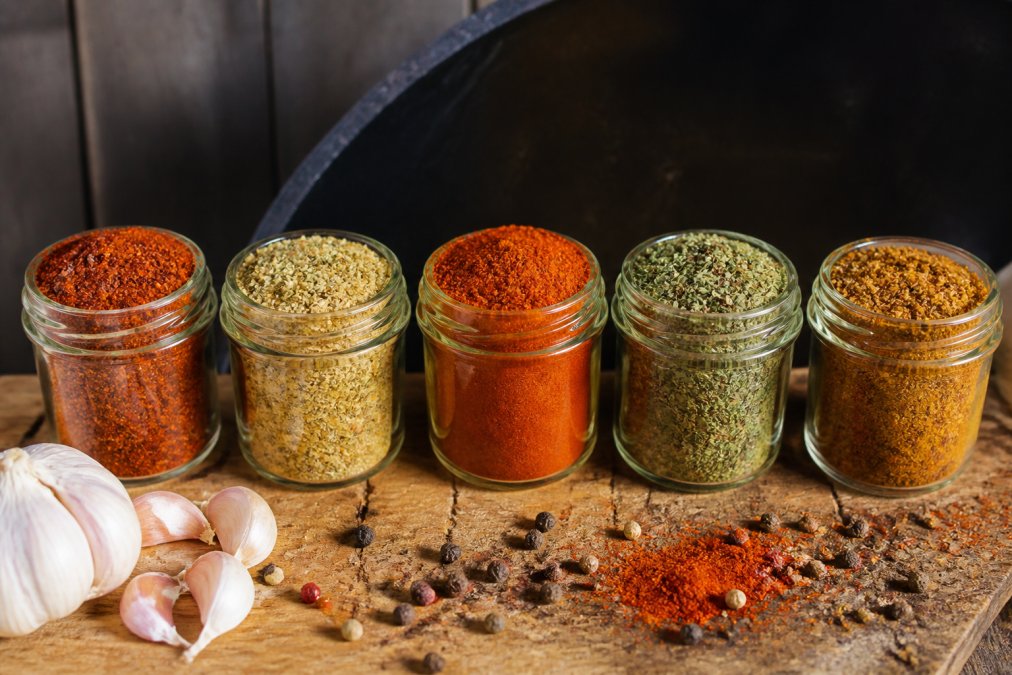
Pig Sweat BBQ Rub: Award-Winning Pork Seasoning
Pig Sweat BBQ Rub won 1st Place Scovie Awards in both 2024 and 2025. This rub for smoking ribs, pork tenderloin, or pork roast emphasizes garlic powder, onion powder, and black pepper with just enough cayenne to add complexity.
Remove the membrane from ribs, coat both sides with mustard as a binder, then apply a generous amount of Pig Sweat. Let it sit for 20 minutes to allow the spices to penetrate. When ribs hit the smoker, you're building layered, savory bark without burnt sugar crust.
Best for: Pork ribs, pork chops, pork tenderloin
Price: $10.49 for 5 oz
Award-winning BBQ rubs for smoking
Cow Hide Rub: Low-Sodium Beef Dry Rub
Cow Hide Rub is engineered for beef, emphasizing chiles and spices that complement beef's natural richness without sugar. The low-sodium formulation lets you control salt levels in your finished dish.
Press the rub firmly onto both sides of beef brisket, short ribs, or chuck roast. For enhanced tenderness, apply a marinade first: combine 2 tablespoons Cow Hide Rub, 1/4 cup Worcestershire, 1/4 cup lite soy sauce, and 1/4 cup beer or wine. Marinate for at least two hours refrigerated, then coat again with dry rub and smoke.
Best for: Brisket, short ribs, chuck roast, beef burgers
Price: $10.49 for 5 oz
Brisket Rub Texas Seasoning: Smoky Texas Spices
Brisket Rub Texas Seasoning delivers the regional flavor profile Texas barbecue is known for: smoky, chile-forward, and entirely sugar-free. The blend emphasizes smoked paprika and black pepper with enough heat to stand up to long smoking without burning.
Apply generously to both sides of brisket, let sit for 20 minutes, then smoke low and slow. The spice ratio is calibrated so the rub won't char into bitterness at high smoking temperatures.
Best for: Brisket, ribs, roasts
Price: $10.49 for 5 oz
Smoked Paprika Peppercorn Chile Rub: Versatile All-Meat Option
This rub is the most versatile option in the lineup. Fresh ground peppercorns and smoked paprika form the foundation, creating seasoning that works across beef, pork, chicken, and seafood. The smoky character comes from paprika, not sugar caramelization, so you get consistent results whether grilling a steak or smoking a brisket.
Apply firmly to meat, let sit for 20 minutes, then cook to your preferred temperature.
Best for: Steak, prime rib, fish, seafood, and anyone wanting one versatile rub across multiple proteins
Price: $10.49 for 5 oz
Coffee Chile Rub: Unique Depth and Complexity
Coffee Chile Rub adds subtle coffee depth that most BBQ rubs miss. The blend combines coffee with chiles, creating savory, slightly bitter, and complex seasoning. It works particularly well on beef burgers and ground meat, where the rub's coffee and chile notes penetrate thoroughly.
Best for: Beef, steak, chicken, pork, and ground meat applications
Price: $10.49 for 5 oz
| Rub Name | Best Protein | Flavor Profile | Key Spices | Sodium Level |
|---|---|---|---|---|
| Pig Sweat | Pork | Savory, garlic-forward | Garlic powder, onion powder, black pepper | Low |
| Cow Hide | Beef | Chile-rich, balanced | Chiles, spices, balanced heat | Low |
| Brisket Rub Texas | Brisket, ribs | Smoky, chile-forward | Smoked paprika, black pepper, chiles | Low |
| Smoked Paprika Peppercorn | Versatile | Smoky, peppery | Fresh ground peppercorns, smoked paprika | Low |
| Coffee Chile | Beef, burgers | Complex, coffee-forward | Coffee, chiles, savory depth | Low |
Homemade Sugar-Free Dry Rub Recipe
Building your own sugar-free dry rub gives you complete control over spice ratios, sodium levels, and flavor intensity.
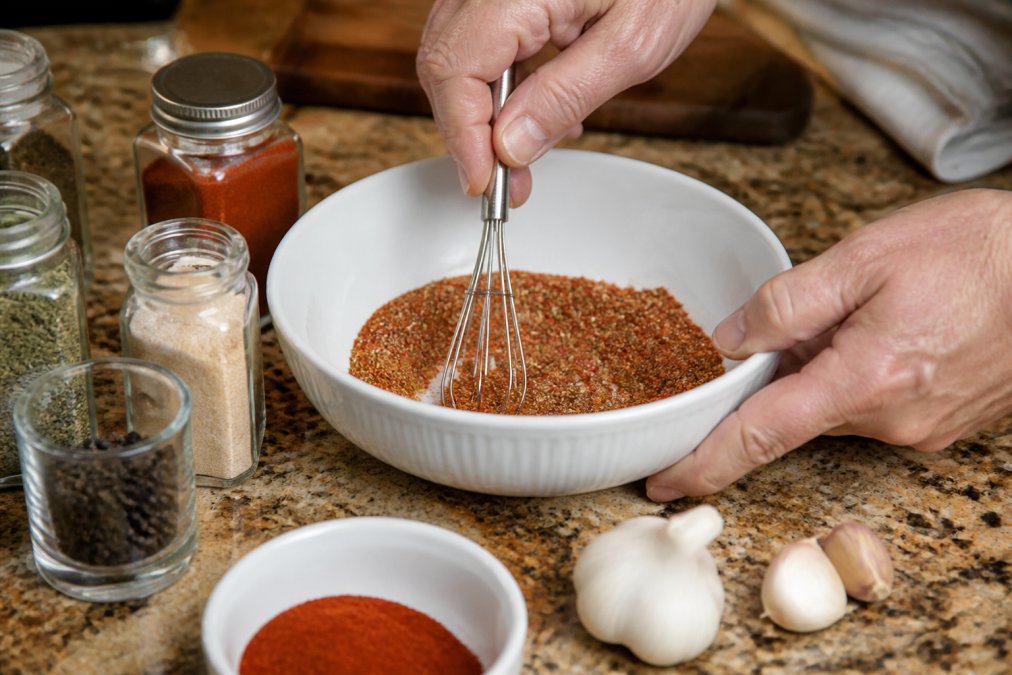
Essential Ingredients for Homemade Rubs
A balanced dry rub starts with a foundation of salt and pepper, then builds complexity with aromatic spices.
Base Layer:
- Kosher salt (2-3 tablespoons per batch)
- Black pepper, freshly ground (2 tablespoons)
Aromatic Layer:
- Garlic powder (2 tablespoons)
- Onion powder (2 tablespoons)
- Smoked paprika (1-2 tablespoons)
Heat Layer:
- Cayenne pepper (1-2 teaspoons, adjust for preference)
Optional Complexity Additions:
- Ground coffee (1 teaspoon)
- Dried thyme or oregano (1 teaspoon)
- Ground cumin (1 teaspoon)
The ratio matters. Too much salt overwhelms other spices. Too much cayenne burns at high temperatures. Start with the proportions above, then adjust based on what you're cooking.
Step-by-Step Recipe: Building Your Base Blend
Total Time: 10 minutes | Yield: About 1 cup
-
Measure your dry ingredients into a bowl using the proportions above.
-
Whisk thoroughly for 1-2 minutes to break up clumps and ensure even distribution.
-
Taste a tiny pinch. You should taste salt, garlic, onion, and paprika in roughly equal measure.
-
Store in an airtight container. Glass jars with tight lids work best. Keep away from direct sunlight and heat. Properly stored, homemade rubs stay fresh for 3-4 months.
-
Apply to meat. Use 1-2 tablespoons per pound. Press firmly onto all sides, let sit for 20 minutes, then smoke, grill, or bake.
Customizing Your Blend for Different Meats
For Pork (Ribs, Tenderloin, Roast): Increase garlic powder and onion powder to 3 tablespoons each. Add 1 teaspoon ground thyme. Reduce cayenne to 1 teaspoon unless you want significant heat.
For Beef (Brisket, Steak, Chuck): Keep the base blend as-is, but add 1-2 teaspoons ground cumin and 1 teaspoon smoked black pepper. Increase smoked paprika to 2-3 tablespoons for more pronounced smoky flavor.
For Chicken and Poultry: Reduce salt to 2 tablespoons. Add 1 teaspoon ground cumin and 1 teaspoon dried oregano. Keep cayenne at 1 teaspoon.
For Fish and Seafood: Use the base blend but reduce all quantities by half. Add 1 teaspoon dried dill or tarragon. Omit the smoked paprika or use regular paprika instead.
For Ground Meat (Burgers, Sausage): Mix the rub into ground meat before forming patties so it seasons throughout, not just on the surface.
No MSG BBQ Rub Benefits and Ingredient Safety
MSG (monosodium glutamate) is a flavor enhancer that amplifies savory notes, but it's also a common allergen and can trigger sensitivity reactions. No-MSG rubs rely on natural spices and salt to build flavor instead of chemical enhancement.
A no-MSG approach means you're tasting actual spices: real garlic flavor from garlic powder, genuine smoky character from smoked paprika, actual heat from cayenne. Twisted Pepper Co. rubs are all no-MSG and gluten-free. For anyone with celiac disease or severe gluten sensitivity, knowing your source is critical.
Sugar Substitutes for Caramelization and Bark Formation
The challenge with sugar-free rubs is achieving bark, that dark, flavorful crust on smoked meat. Smoked paprika is your secret. It provides color naturally without relying on sugar caramelization. Apply a heavier coat of smoked paprika to your rub, and it will build darker crust during smoking.
Real bark in sugar-free smoking comes from the Maillard reaction, the browning that happens when amino acids and sugars in the meat's surface react to heat. Your rub's spices and salt accelerate this reaction. Paprika, garlic powder, and onion powder all contribute to deeper browning without added sugar.
If you want a sweeter finished product, apply a glaze during the last 20 minutes of cooking. Mix butter, hot sauce, and a small amount of honey or your preferred sweetener. Brush it on near the end so it doesn't burn.
Storage, Shelf Life, and Temperature Management
Dry rubs stay fresh in airtight containers for 3-4 months when stored away from heat, light, and moisture. Glass jars with tight-fitting lids are ideal. Heat and light degrade spice potency, so store rubs in a cool, dark pantry or refrigerator if your kitchen runs warm.
When applying rub to meat, cold meat from the refrigerator will hold the rub better than room-temperature meat. Apply the rub, let it sit for 20 minutes on cold meat, then bring it to room temperature for 30 minutes before cooking.
During smoking, maintain consistent temperature between 225-250°F for low-and-slow or 300-350°F for hot and fast. The rub's spices won't burn at these ranges if you're using no-sugar formulations.
After cooking, store leftovers in airtight containers and refrigerate. Smoked meat keeps for 3-4 days refrigerated or up to 3 months frozen.
Meat Pairing Guide and Flavor Profiles
Pork (Ribs, Tenderloin, Roast): Pork is mild and absorbs seasoning readily. It pairs best with savory, garlic-forward rubs like Pig Sweat. Pork also benefits from herbaceous additions like thyme or oregano.

Beef (Brisket, Steak, Chuck): Beef is rich and can handle bold, smoky seasoning. Brisket Rub Texas Seasoning and Cow Hide Rub work because they emphasize smoked paprika and chiles, which stand up to beef's fat content.
Chicken and Poultry: Chicken is delicate and absorbs seasoning quickly. Use lighter rubs with less salt and more herbaceous notes. Apply the rub just before cooking to avoid over-seasoning.
Fish and Seafood: Fish is the most delicate protein. Use minimal rub applied just before cooking. Smoked Paprika Peppercorn Chile Rub works on ahi tuna and firm fish.
Ground Meat (Burgers, Sausage): Ground meat benefits from rubs with coffee and chile notes because they penetrate quickly and evenly. Coffee Chile Rub works exceptionally well on beef burgers.
Choosing healthy BBQ rubs with no sugar means committing to flavor built from real spices rather than sweetness masking mediocre seasoning. Whether you buy pre-made rubs or blend your own, the fundamentals remain the same: balance salt with aromatic spices, use smoked paprika for color and depth, apply the rub generously, and let the meat absorb the seasoning before cooking.
Twisted Pepper Co.'s award-winning rubs are formulated with these principles in mind. Each blend is handcrafted, no MSG, low sodium, and designed to work across smoking temperatures without burning. If you're ready to elevate your grilling beyond sugar-sweetened seasoning, Twisted Pepper Co.'s BBQ rub collection offers proven options that deliver restaurant-quality results on your backyard smoker.
Frequently Asked Questions
What can I use instead of sugar in a BBQ rub?
Monk fruit and erythritol are the best sugar substitutes for BBQ rubs because they caramelize without adding calories or carbs. Monk fruit delivers natural sweetness with no bitter aftertaste, while erythritol provides a cleaner flavor profile. Both work in keto-friendly and paleo-compatible rubs. Avoid sugar alcohols like xylitol, which can cause digestive upset. For deeper caramelization on smoking meats, combine these sweeteners with smoked paprika and black pepper to build bark formation without relying on traditional brown sugar.
Are healthy BBQ rubs no sugar options still flavorful?
Yes. Sugar-free rubs deliver bold flavor through smoked paprika, garlic powder, onion powder, cayenne pepper, and kosher salt. These create savory, smoky, and tangy profiles without sweetness. The key is balancing spice ratios and using fresh-ground peppercorns for depth. Many barbecue enthusiasts find that low-sugar rubs actually highlight meat flavor better than sugar-heavy blends, especially on smoking applications where smoke itself adds sweetness. Twisted Pepper Co.'s award-winning rubs prove that low-sodium, no MSG formulas deliver restaurant-quality results.
Do sugar-free BBQ rubs contain MSG?
High-quality sugar-free rubs should contain zero MSG. MSG is a preservative and flavor enhancer used in many commercial blends, but it's not necessary in handcrafted seasonings. Check the ingredient list for 'monosodium glutamate' or 'MSG', if it's not listed, you're safe. Twisted Pepper Co. rubs are certified no MSG added, making them ideal for those with sensitivities or dietary restrictions. Homemade dry rub recipes naturally exclude MSG when you use whole spices like smoked paprika, garlic powder, and black pepper without any processed additives.
How do I keep BBQ rubs from burning without sugar?
Sugar-free rubs are actually less prone to burning because they lack the caramelization compounds that char at high heat. To prevent burning: apply the rub 20 minutes before smoking (not immediately before), use moderate smoke temperatures (225-250°F), and wrap meat in foil during the final cooking phase to shield the rub from direct heat. If you're smoking brisket or ribs, the 'Texas crutch' (wrapping in foil) protects the bark while allowing the meat to finish cooking. Monitor your smoker temperature carefully, consistent heat prevents scorching better than sudden spikes.
What meats pair best with sugar-free BBQ rubs?
Pork ribs and brisket are ideal for sugar-free rubs because the meat's natural fat renders during smoking, creating its own sweetness. Beef responds well to Texas-style spice blends with smoked paprika and black pepper. Chicken and seafood benefit from lighter rubs with garlic and jalapeno profiles. For versatility, choose a savory, smoky rub like Smoked Paprika Peppercorn Chile that works across all protein types. Homemade blends let you customize spice ratios for your favorite meat, pork rubs can be bolder, while fish rubs should emphasize citrus and lighter spices for balanced flavor.
This article was written using GrandRanker