

How to Avoid MSG in Spices: A 2026 Guide
Table of Contents
- Why MSG Hides in Your Spice Cabinet
- How to Read Spice Ingredient Labels Like a Pro
- Hidden Sources of MSG in Food Beyond the Spice Aisle
- Low Sodium Diet Flavor Tips That Skip the Shaker
- DIY Spice Blends: How to Avoid MSG in Spices at Home
- What to Look for in a Store-Bought MSG-Free Blend
- Frequently Asked Questions
Last Updated: September 14, 2026
Why MSG Hides in Your Spice Cabinet
Monosodium glutamate is a flavor enhancer that food manufacturers add to boost savory taste, and it shows up in far more spice blends than most shoppers realize. This guide from Twisted Pepper Co. walks through how to avoid MSG in spices, how to spot it on labels, and how to build deep flavor without it.
The tricky part is that MSG rarely announces itself. Federal labeling rules let manufacturers list it under dozens of alternative names, from "hydrolyzed vegetable protein" to "yeast extract (the FDA)." A jar can say "spices" and "natural flavoring" while still delivering a dose of glutamic acid.
Here's what most guides get wrong: they tell you to scan for "monosodium glutamate" and call it done. That single phrase is the least likely thing you'll find on a label.
Below, we'll show you exactly how to read an ingredient panel like a pro, where hidden MSG lurks beyond the spice aisle, and how to build savory depth with blends you control.
How to Read Spice Ingredient Labels Like a Pro
The fastest way to spot hidden MSG is to read the full ingredient list, not the front-of-package claims. "No added MSG" is a marketing statement, not a guarantee, because free glutamate can arrive through other ingredients.
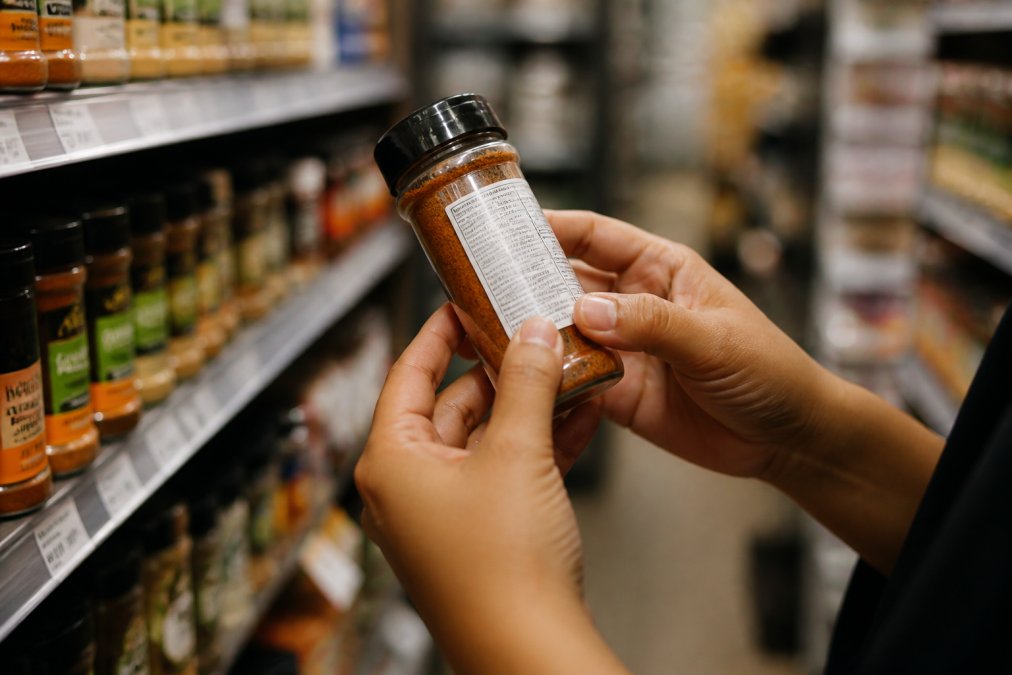
Start with these habits:
- Flip the jar and read the ingredient list top to bottom, not just the first three items
- Look for umbrella terms like "spices," "natural flavoring," and "flavoring"
- Check for protein-derived additives that carry glutamate
- Compare sodium content per serving across similar blends
- Note the order of ingredients, items are listed by weight, so an additive near the top is present in meaningful amounts
A common mistake is trusting the front label. The back panel is where the real story lives.
The Ingredients That Signal Hidden MSG
Certain ingredients almost always carry free glutamate, the compound responsible for the umami punch people associate with MSG. When you see these on a spice blend label, treat them as a signal.
- Hydrolyzed vegetable protein, a protein broken down into amino acids, including glutamic acid
- Yeast extract and autolyzed yeast, concentrated glutamate from yeast cells
- Sodium caseinate, a milk protein derivative that contains glutamate
- Soy protein isolate and soy sauce solids, naturally high in glutamic acid
- Maltodextrin and modified food starch, sometimes processed in ways that boost free glutamate
- Glutamic acid, monopotassium glutamate, and calcium glutamate, direct glutamate salts that behave like MSG
- Textured vegetable protein and hydrolyzed oat flour, protein-derived additives with the same effect
- Natural flavoring derived from protein sources, the source, not the name, determines glutamate content
The FDA guidance on food additive labeling requires these to appear by name, so they are findable once you know what to look for.
What 'Natural Flavoring' and 'Spices' Actually Mean
"Natural flavoring" and "spices" are legal catch-all terms, and neither tells you whether glutamate is present. A blend labeled "spices" can include a dozen different seasonings, and "natural flavoring" can be derived from a protein source rich in glutamic acid.
This is the labeling loophole that trips up most shoppers. The word "natural" describes the source, not the processing or the effect. A flavoring extracted from soy or yeast is still natural, and it still delivers free glutamate. Navigating these deceptive labels requires a shift toward choosing additive-free foods as a primary strategy for maintaining control over your pantry staples.
If a blend leans on these vague terms and you have glutamate sensitivity, call the manufacturer and ask directly. Reputable makers will tell you.
A Cross-Reference Table of Hidden Glutamate Names
Most guides stop at a short bullet list. The table below cross-references the ingredient names you are most likely to see on a spice blend panel with what they actually are, so you can scan a label in seconds.
| Label Name | What It Is | Why It Matters |
|---|---|---|
| Monosodium glutamate | The additive itself | The obvious one, rarely listed on "no MSG" blends |
| Hydrolyzed vegetable protein | Protein broken into amino acids | Carries free glutamic acid |
| Hydrolyzed soy protein | Same process, soy base | Carries free glutamic acid |
| Autolyzed yeast | Yeast cells broken down by their own enzymes | Concentrated free glutamate |
| Yeast extract | Soluble portion of yeast | Concentrated free glutamate |
| Sodium caseinate | Milk protein derivative | Contains bound and free glutamate |
| Calcium caseinate | Milk protein derivative | Contains bound and free glutamate |
| Soy protein isolate | Purified soy protein | Naturally high in glutamic acid |
| Soy sauce solids | Dried soy sauce | Naturally high in glutamic acid |
| Maltodextrin | Starch-derived thickener | Processing can raise free glutamate |
| Modified food starch | Chemically altered starch | Processing can raise free glutamate |
| Natural flavoring | Catch-all for flavor compounds | Source may be protein-based |
| Spices | Catch-all for seasonings | May include glutamate-rich blends |
| Textured vegetable protein | Extruded protein product | Carries free glutamic acid |
Why 'Spices' Is the Hardest Word to Audit
Federal rules allow a single word, "spices", to stand in for the entire seasoning portion of a blend. That means a jar can legally list "spices, salt, natural flavoring" and give you no way to know whether a glutamate-carrying ingredient is inside. The only reliable workaround is to buy blends that name every spice individually or to make your own.
Hidden Sources of MSG in Food Beyond the Spice Aisle
Spice blends are only part of the picture. Many processed foods carry hidden MSG, and the same label-reading skills apply across the whole store.
Watch these categories closely:
- Canned soups and broths - often built on yeast extract and hydrolyzed protein
- Seasoned snack chips and crackers - savory coatings frequently include autolyzed yeast
- Frozen entrees and marinades - "flavoring" and "spices" hide a lot here
- Salad dressings and sauces - soy-based ingredients add glutamate
- Gravy and seasoning packets - the highest-risk category for hidden additives
The USDA's FoodData Central database lets you look up packaged foods and check nutrient and ingredient details before you buy. It's a useful cross-reference when a label is unclear.
If you're managing dietary restrictions, the safest path is cooking from base ingredients and seasoning with blends whose full contents you can verify.
Low Sodium Diet Flavor Tips That Skip the Shaker
Cutting sodium doesn't mean cutting flavor. The trick is layering savory, aromatic, and acidic notes so your palate registers richness without the salt.
Try these approaches:
- Toast whole spices in a dry pan before grinding to deepen their flavor profile
- Add acid with citrus zest, vinegar, or tomato to brighten dishes
- Use aromatics like garlic, onion, and ginger for a savory base
- Finish with fresh herbs to add a sensory lift at the end
- Bloom ground spices in a little oil over medium heat for 30 to 60 seconds before adding liquid, the fat carries flavor compounds that water alone can't
- Add a pinch of sugar or a drizzle of honey to round out bitterness when you reduce salt
Many home cooks find that a well-built blend delivers more perceived flavor than a heavy hand with salt. That's the core of low sodium diet flavor tips: replace volume with complexity.
Building Umami Without Additives
Umami is the savory taste you can create naturally, without any chemical additives. Several whole ingredients carry glutamate and other savory compounds on their own.
- Mushrooms, especially dried shiitake and porcini
- Tomato paste and sun-dried tomatoes
- Aged cheeses like Parmesan
- Seaweed such as kombu
- Miso and fermented soy for depth in sauces
- Anchovy paste and fish sauce for a concentrated savory hit in small amounts
- Nutritional yeast for a cheesy, savory note in plant-based dishes
- Roasted bone broth or vegetable stock reduced to concentrate its flavor
A practical technique is to simmer dried mushrooms into a quick stock and use it as a base for soups and gravies. You get the savory profile without a flavor enhancer.
Specific Techniques for Savory Depth
Generic advice like "add umami" doesn't help at the stove. These techniques give you a repeatable method:
- Mushroom powder: Grind dried shiitake or porcini in a spice grinder until fine. Use 1/2 teaspoon per pound of meat or per cup of sauce.
- Tomato paste concentrate: Cook tomato paste in oil for 2 to 3 minutes until it darkens to a brick red. This caramelizes the sugars and concentrates glutamates.
- Parmesan rind: Drop a 2-inch piece of Parmesan rind into simmering soup or sauce and remove it before serving. It releases savory depth without added salt.
- Kombu soak: Steep a 4-inch piece of kombu in 4 cups of cold water for 20 minutes, then heat gently. Do not boil, or the stock turns bitter.
- Miso whisk: Dissolve 1 tablespoon of miso in a ladle of hot broth before adding it back to the pot. Boiling miso directly can dull its flavor.
- Anchovy melt: Mash one anchovy fillet into hot oil at the start of cooking. It dissolves into the base and adds savory depth without a fishy taste.
Pairing Umami Ingredients With Your Spice Blends
The strongest flavor comes from combining umami sources with the right spices. A few pairings that work reliably:
- Mushroom powder with thyme, black pepper, and garlic powder for gravies and roasts
- Tomato paste with smoked paprika, cumin, and oregano for chili and taco filling
- Miso with ginger, sesame, and scallion for stir-fries and marinades
- Parmesan with basil, oregano, and red pepper flakes for Italian dishes
- Anchovy with garlic, parsley, and lemon zest for dressings and sauces
When you build flavor this way, you don't need a flavor enhancer, the ingredients do the work on their own.
DIY Spice Blends: How to Avoid MSG in Spices at Home
Making your own blends is the most reliable way to avoid MSG in spices, because you control every ingredient. It also costs less over time than buying single-purpose packets.
Here's a simple all-purpose savory blend to start with:
- 2 tablespoons smoked paprika
- 1 tablespoon garlic powder
- 1 tablespoon onion powder
- 1 teaspoon dried thyme
- 1 teaspoon black pepper
- 1/2 teaspoon ground cumin
Mix, store in an airtight jar, and use within a few months for peak flavor. Adjust the heat with cayenne if you like.
For a ranch-style dip base, combine dried dill, parsley, chives, garlic powder, and onion powder with a little black pepper. Blend it into sour cream or Greek yogurt for a fresh, additive-free dip.
When you want the same result without the measuring, Twisted Pepper Co.'s Prairie Ranch Dip or Cheeseball Mix is handcrafted, gluten free, and made with no MSG, so you get a creamy, savory dip without reading a chemistry set. For grilling, the Pig Sweat BBQ Rub brings low sodium, no MSG flavor to ribs, pork chops, and tenderloin.


What to Look for in a Store-Bought MSG-Free Blend
A trustworthy store-bought blend makes verification easy. The best products list every ingredient by name and avoid the vague umbrella terms that hide glutamate.
Use this checklist before you buy:
- Full ingredient list with no "natural flavoring" or generic "spices"
- No hydrolyzed protein, yeast extract, or autolyzed yeast
- Clear sodium content per serving
- A stated "no MSG added" claim backed by the ingredient panel
- Gluten-free labeling if you manage celiac disease
| What to Check | Red Flag | Better Choice |
|---|---|---|
| Ingredient list | "Natural flavoring," "spices" | Every spice named individually |
| Protein additives | Yeast extract, hydrolyzed protein | None listed |
| Sodium per serving | High and undisclosed | Clearly stated, low |
| MSG claim | Vague "natural" wording | "No MSG added" plus clean panel |
Twisted Pepper Co. builds its line around this standard. The Chicken Noodle Dry Soup Mix is gluten free, made with no added MSG, and ready in 30 minutes or less, which makes it an easy swap when you want homemade taste without hidden additives.

Frequently Asked Questions
What are common names for MSG on spice labels?
MSG appears under dozens of names that don't include the word 'monosodium glutamate.' Watch for hydrolyzed vegetable protein, autolyzed yeast, yeast extract, sodium caseinate, and 'natural flavoring.' These ingredients contain free glutamic acid, the same compound found in MSG. Under FDA labeling rules, manufacturers can list these separately, so a jar can contain added glutamates without ever printing 'MSG.'
Is MSG in spices bad for you?
The FDA classifies MSG as generally recognized as safe for most people. However, some individuals report glutamate sensitivity with symptoms like headaches, flushing, or tingling after eating foods high in free glutamates. If you've noticed these reactions, avoiding MSG in spices is a reasonable step. People managing sodium intake also benefit, since many MSG-containing blends pack extra sodium alongside the flavor enhancer.
How can I tell if a seasoning blend contains hidden MSG?
Read the full ingredient list, not just the front label. If you see yeast extract, hydrolyzed vegetable protein, autolyzed yeast, or 'natural flavoring' without further detail, the blend likely contains free glutamates. Spice blends are a common hiding spot because 'spices' and 'natural flavors' are broad categories that don't require breakdown. When in doubt, contact the manufacturer directly and ask whether their blend contains any glutamate-containing ingredients.
Are there natural alternatives to MSG for enhancing flavor?
Yes. Mushroom powder, tomato paste, aged Parmesan, soy sauce, nutritional yeast, and slow-cooked bone broth all deliver umami without added MSG. Toasted seaweed and dried anchovies work well in soups and stews. For spice blends, combining smoked paprika, garlic powder, onion powder, and a pinch of mushroom powder builds a savory profile that satisfies without any chemical additives.
Avoiding MSG in your spices takes a little label literacy, but it puts you back in control of what's in your food. Twisted Pepper Co. makes that easier with handcrafted, gluten-free blends that carry no MSG and come in low and light sodium options, from dip mixes to BBQ rubs to soup mixes that are ready in 30 minutes or less. Get started with Twisted Pepper Co. and season your cooking with flavors you can actually trace.