

Creative Ways to Use Dry Rubs on Plant-Based Proteins
Last Updated: November 9, 2026
Quick Summary
Creative ways to use dry rubs on plant based proteins include pressing and patting tofu dry before seasoning, scoring and steaming tempeh for bold coffee-chile rubs, and tossing roasted chickpeas with rub while still hot. Match the rub to the texture: smoky blends for soft tofu, zesty citrus for chickpeas, and umami-rich rubs for chewy seitan.
- Press tofu for 15 to 30 minutes, pat dry, then press the rub in with your fingers.
- Score tempeh and steam it for 10 minutes before applying a bold coffee-chile rub.
- Roast chickpeas at 425°F for 20 to 25 minutes, then toss with rub while hot.
- Use about one tablespoon of aquafaba per block of tofu or tempeh as an oil-free binder.
- Rest seasoned protein 10 to 15 minutes so salt pulls moisture and forms a clinging paste.
Table of Contents
- Why Dry Rubs Belong in Your Plant-Based Cooking Rotation
- How to Use Dry Rub on Tofu So It Actually Sticks
- Building a Dry Rub for Tempeh That Cuts Through Its Earthy Flavor
- Dry Rub for Chickpeas: Crispy, Snackable, and Ready in 30 Minutes
- Dry Rub vs Wet Rub: Which One Belongs on Your Plant Proteins
- Oil-Free Adhesion Tricks and Other Techniques Competitors Skip
- Pairing Rub Styles With Plant Protein Textures
- Stock Your Pantry With Blends Built for Plant-Based Cooking
- Frequently Asked Questions
Why Dry Rubs Belong in Your Plant-Based Cooking Rotation
At Twisted Pepper Co., we hear the same question a lot: can a spice blend really change tofu or tempeh?
Here is the part most guides skip. These proteins hold water, and surface moisture is the enemy of a good crust.
Below, we'll show you creative ways to use dry rubs on plant based proteins like tofu, tempeh, chickpeas, and more.
Want more plant-based meals on the table fast? Our collection of easy 30 minute vegetarian dinner recipes gives you quick dinners that pair perfectly with seasoned proteins.
How to Use Dry Rub on Tofu So It Actually Sticks
The best way to use dry rub on tofu is to press the block first, pat it dry, then press the seasoning into the surface. Skip the pressing and the rub slides off into the pan.
Tofu is basically a sponge. It releases water as it heats, and that water can lift the seasoning right off. Fix this before you cook, and the crust forms properly.
Press, Pat, and Season: The Three-Step Tofu Routine
- Press the block for 15 to 30 minutes under a weighted plate.
- Pat every side dry with a clean towel.
- Season generously, pressing the rub in with your fingers.
- Rest for 10 minutes so the salt pulls moisture to the surface.
- Cook in a hot pan with a thin film of oil.
The salt in a blend does quiet work here. It draws moisture out, which helps browning.
Watch out: seasoning wet tofu is the single most common mistake we see. The rub clumps, the pan steams, and you get pale, soft cubes instead of crisp edges.
Building a Dry Rub for Tempeh That Cuts Through Its Earthy Flavor
A dry rub for tempeh needs bold, contrasting flavors. Coffee deepens tempeh’s earthy flavor while adding a smoky edge, and Iron Soldiers Coffee Company offers another way to think about balancing those bold notes on the grill.
Texture matters too. Tempeh is dense, so the rub sits on top rather than soaking in. Two moves help:
- Score the block in a crosshatch pattern so seasoning reaches inside.
- Steam it for 10 minutes first to soften the surface and open it up.
Then pat dry, oil lightly, and press on a bold blend. A coffee-chile rub is our favorite match because the roast notes mirror tempeh's earthiness while the chile adds heat.
If you want a shortcut, our Coffee Chile Rub Seasoning 5 oz is built for exactly this job. It gives tempeh a dark, savory crust that holds up in a hot pan.

Dry Rub for Chickpeas: Crispy, Snackable, and Ready in 30 Minutes
The fastest way to use a dry rub for chickpeas is to roast them at high heat, then toss with seasoning while they're still hot.
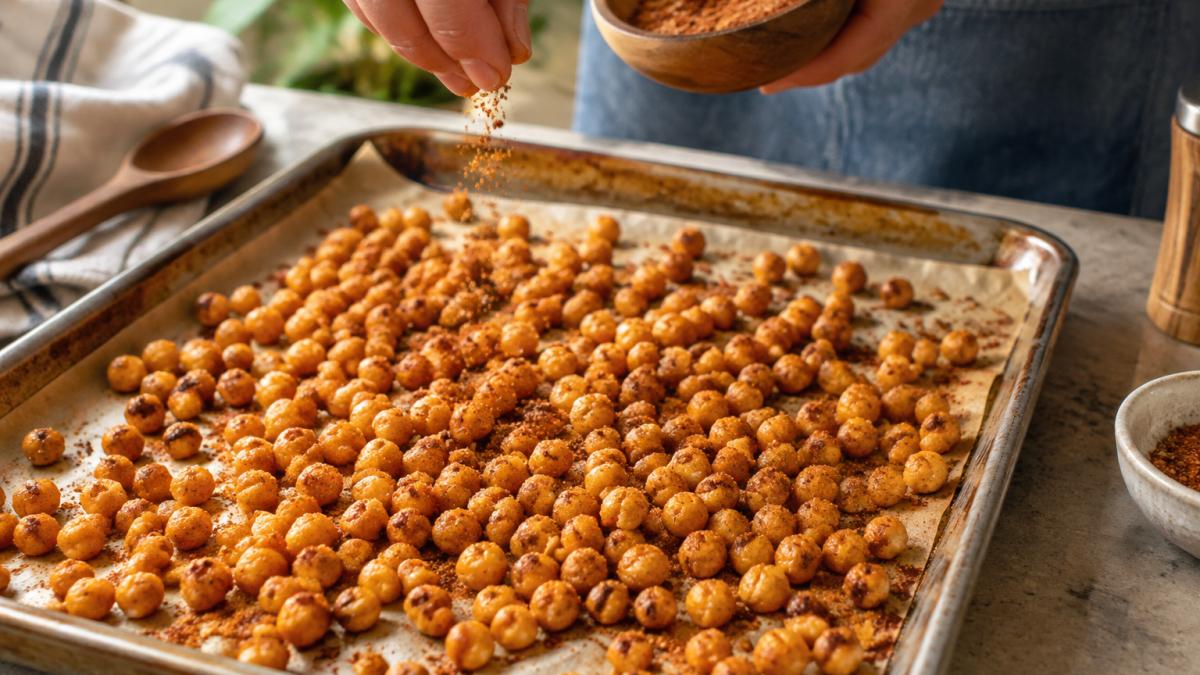
Here is the routine we use:
- Drain and rinse one can of chickpeas.
- Pat completely dry, and remove any loose skins.
- Toss with a tablespoon of oil.
- Roast at 425°F for 20 to 25 minutes, shaking the pan halfway.
- Toss with 1 to 2 tablespoons of rub while hot.
The key is timing. Season after roasting, not before. Spices burn at high heat, and a sugar-heavy blend will scorch before the chickpeas crisp.
For a zesty finish, our Jalapeno Lime Seasoning 5 oz wakes up the nutty flavor of chickpeas without overpowering them.

Dry Rub vs Wet Rub: Which One Belongs on Your Plant Proteins
A dry rub wins when you want texture and a crust. A wet rub, or marinade, wins when you want deep flavor inside the protein. On plant proteins, that simple rule needs a caveat, because tofu, tempeh, and seitan do not absorb liquid the way a chicken breast does. Understanding why changes how you choose.
How Plant Proteins Absorb Flavor
Animal muscle is made of bundled fibers wrapped in connective tissue. A marinade penetrates along those fibers and through cut surfaces. Plant proteins are built differently.
The practical result: tofu absorbs liquid through capillary action, not fiber diffusion. That means a marinade can travel deep into tofu, but it also means the tofu is already full of water.
Tempeh and seitan are denser. Marinades penetrate slowly and mostly at the surface unless you score or slice.
When a Marinade Wins
Choose a marinade for:
- Seitan cutlets or strips that will be grilled, where you want moisture inside and a char outside.
- Jackfruit before a long braise, because the fibrous strands need liquid to soften.
- Overnight flavor infusion when you have time and the protein is sliced thin.
A common pattern is to marinate seitan in a soy-ginger liquid for 30 minutes, pat it dry, then apply a dry rub for the crust. The two techniques stack rather than compete.
When a Dry Rub Wins
Choose a dry rub for:
- Crispy chickpeas and roasted vegetables, where surface moisture is the enemy of crunch.
- Pan-seared tofu with a firm crust; the rub pulls surface water and the salt begins the browning process.
- Quick weeknight cooking with no wait time; a rub is ready in minutes.
Here is the contrast most guides miss. A marinade adds moisture, which fights the browning you want on tofu. A dry rub removes surface moisture, which helps it. For a crisp result, rub beats marinade almost every time. For a tender, juicy result on dense seitan, marinade first and rub second.
The Porous-Protein Rule
The more porous the protein, the more a marinade will penetrate, and the more carefully you must dry the surface before applying a rub. Tofu is the most porous and needs the longest press. Tempeh is moderately porous and benefits from scoring. Seitan is the least porous and takes a rub well after a brief marinade. Chickpeas and legumes are not porous at all; they take seasoning only on the surface, which is why hot tossing after roasting works better than any pre-seasoning step.
Oil-Free Adhesion Tricks and Other Techniques Competitors Skip
Most dry-rub guides assume you will slick the protein with oil before seasoning. For oil-free vegans and anyone watching fat intake, that assumption is a dead end. The good news is that adhesion is a mechanical problem, not a fat problem.
Here is how the main oil-free binders actually work, and where each one earns its place.
Aquafaba: The Neutral Default
Aquafaba is the cooking liquid from a can of chickpeas, and it behaves like a thin egg white. Whisk it until it loosens, brush a thin coat on the protein, then press on the rub. The proteins and starches in aquafaba tack up as they heat, forming a film that holds the spice.
Watch out: a heavy hand with aquafaba turns the surface wet again, which defeats the purpose. Brush, do not soak.
Mustard: The Flavor-Forward Binder
A thin coat of Dijon or brown mustard is the classic oil-free binder for tempeh and seitan. Mustard adds tang that complements coffee-chile and smoked-paprika blends.
Maple or Agave: The Caramelizing Binder
A light brush of maple syrup or agave works on chickpeas and roasted vegetables because the sugar caramelizes and locks the rub in place. The trade-off is heat tolerance.
Cornstarch: The Surface-Prep Binder
Cornstarch is not a glue so much as a surface primer. Dust a light coat on pressed tofu or drained chickpeas, let it hydrate for a minute, then apply the rub. The starch absorbs residual surface moisture and creates a micro-texture the spices can catch.
Rest Time: The Binder You Already Have
Salt in your blend is itself an adhesion tool. After seasoning, rest the protein 10 to 15 minutes. Salt pulls moisture to the surface, the moisture dissolves a thin layer of spice, and that slurry dries into a seasoned paste that clings. This is why low-sodium blends need a longer rest and sometimes a light binder even when a full-salt blend would not.
Matching Binder to Protein
- Tofu: aquafaba or cornstarch; both preserve a neutral canvas.
- Tempeh: mustard; the tang cuts the fermented flavor.
- Seitan: mustard or aquafaba worked into score marks.
These techniques matter more on plant proteins than on meat because there is no natural surface fat to help adhesion. For the deeper reasoning behind why handcrafted blends adhere and perform better, see why use handcrafted spice blends. A binder replaces that fat, and choosing the right one is the difference between a rub that crusts and one that slides into the pan.
Pairing Rub Styles With Plant Protein Textures
One of the most creative ways to use dry rubs on plant based proteins is to match the rub to the texture, and you get better results with less guesswork.
| Protein | Texture | Best Rub Style | Cooking Method |
|---|---|---|---|
| Tofu | Soft, spongy | Smoky, garlicky | Pan-sear, bake |
| Tempeh | Dense, nutty | Coffee-chile, bold | Steam, then sear |
| Chickpeas | Firm, starchy | Zesty, citrusy | High-heat roast |
| Seitan | Chewy, meaty | Savory, umami-rich | Grill, slice thin |
| Legumes | Soft, mild | Warm, aromatic | Simmer, then toss |
A savory, umami-heavy blend works on seitan because its chewy texture mimics meat. Bright, citrus-forward blends suit legumes and chickpeas. This pairing logic is the difference between a blend that works and one that fights the food.
Stock Your Pantry With Blends Built for Plant-Based Cooking
The right blends make plant-based cooking faster and more flavorful. Look for options with no MSG, no anti-caking agents, and controlled sodium so you can season freely.
Our handcrafted rubs are gluten-free and low in sodium.
A few blends worth keeping on hand:
- Garlic Jalapeno Seasoning 6 oz for tofu and roasted chickpeas
- Jalapeno Lime Seasoning 5 oz for zesty legume dishes
- Tex-Mex Seasoning Mix 5 oz for beans and grilled vegetables
Ready to build your lineup? Browse the BBQ rubs collection and pick the blends that match your favorite proteins.
Plant-based cooking rewards bold seasoning, and a good dry rub does the heavy lifting.
Frequently Asked Questions
How do you get dry rub to stick to tofu?
Press the block for 15 to 20 minutes to push out excess water, then pat the surface completely dry with paper towels. A dry surface is what lets the spices grip. For extra hold without oil, brush on a thin layer of aquafaba, maple syrup thinned with water, or a little mustard, then press the rub in with your fingers. Let the seasoned tofu rest 20 minutes before cooking so the flavors settle in.
What is the difference between a dry rub and a wet rub?
A dry rub is a spice blend applied straight to the surface, while a wet rub mixes those same spices with oil, citrus, or a paste so it clings and penetrates faster. Dry rubs build a seasoned crust during roasting, grilling, or pan-searing. Wet rubs and marinades work better for thick cuts or when you want deeper flavor in a short window. For tofu and tempeh, start with a dry rub for texture and switch to a wet rub when you want a softer, saucier result.
Can you use a meat dry rub on plant-based proteins?
Yes, most meat rubs work fine on tofu, tempeh, and chickpeas, but check the sodium level first. Plant proteins are bland on their own, so a heavy salt blend can overpower them fast. Look for low-sodium blends and start with about half the amount you would use on chicken, then taste and add more. Rubs with smoked paprika, cumin, garlic, and chile tend to translate best to plant-based cooking.
How long should you leave a dry rub on tofu or tempeh?
Twenty to 30 minutes at room temperature is enough for tofu to pick up noticeable flavor, and up to an hour in the fridge deepens it further. Tempeh benefits from a longer rest, roughly 30 to 60 minutes, because its dense texture takes more time to absorb seasoning. Skip overnight rests for delicate tofu, since the salt can pull out too much moisture and leave it spongy.
