

Celiac-Safe Meal Ideas for Beginners 2026
Table of Contents
- Understanding Celiac Disease and Safe Eating
- How to Avoid Cross-Contamination in Your Kitchen
- Gluten-Free Pantry Essentials List for Beginners
- Quick 30-Minute Gluten-Free Meals to Get Started
- Celiac-Safe Meal Ideas for Breakfast, Lunch, and Dinner
- Reading Labels and Shopping Smart
- Dining Out and Social Situations
- Frequently Asked Questions
Last Updated: September 22, 2026
Understanding Celiac Disease and Safe Eating
Celiac disease is an autoimmune disorder where consuming gluten triggers an immune response that damages the small intestine. For people with celiac disease, avoiding gluten isn't optional, it's essential for managing symptoms and preventing long-term health complications. If you've recently been diagnosed, navigating celiac-safe meal ideas for beginners can feel overwhelming, but the reality is simpler than most guides suggest.
The foundation of living well with celiac disease comes down to three things: understanding what gluten is, learning which foods are naturally safe, and building confidence in your kitchen. Many people with celiac disease worry that their diet will become restrictive or bland. That concern is understandable, but it's not accurate. Whole foods like rice, potatoes, beans, eggs, and fresh vegetables are naturally gluten-free. The challenge isn't finding safe foods, it's avoiding hidden gluten in processed items and preventing cross-contamination.
At Twisted Pepper Co., we understand the frustration of managing dietary restrictions while still wanting flavorful, satisfying meals. Our handcrafted soup mixes and dip blends are gluten-free with no added MSG, making them reliable foundations for celiac-safe cooking. When you're starting out, having trusted seasonings and meal bases eliminates one major source of worry: wondering whether your ingredients are truly safe.
How to Avoid Cross-Contamination in Your Kitchen
Cross-contamination is the silent threat most beginners underestimate. Even microscopic amounts of gluten can trigger symptoms in people with celiac disease. Cross-contamination happens when gluten particles from one food transfer to another through shared utensils, cutting boards, toasters, or even crumbs left on countertops.
Your kitchen needs a few simple protocols. Designate separate cutting boards, toasters, and colanders for gluten-free cooking if you share your kitchen with others. If that's not possible, wash everything thoroughly in hot soapy water before preparing gluten-free meals. Pay special attention to wooden utensils and cutting boards, which can harbor gluten particles in their pores.
One often-missed source of cross-contamination is the butter dish or jam jar. When family members use the same spreads, breadcrumbs end up in the container. Keep separate jars clearly labeled and use clean knives every time. The same applies to shared cooking oils, condiments, and spice containers, dedicated bottles eliminate guesswork.
Gluten-Free Pantry Essentials List for Beginners
Safe Grains and Grain Alternatives
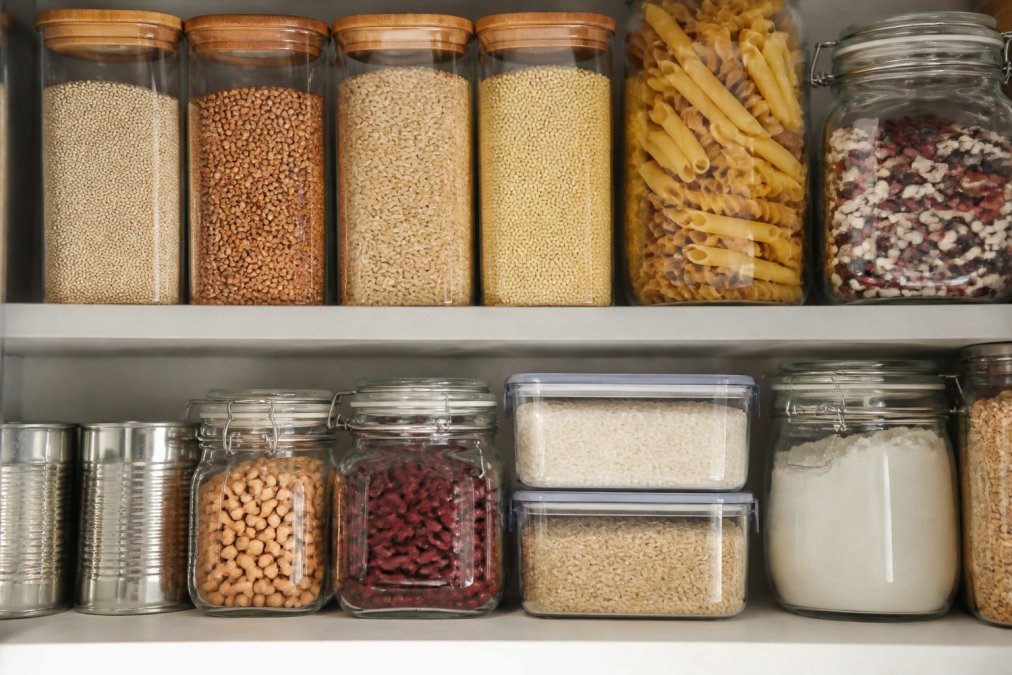
Your pantry should center on naturally gluten-free whole grains and certified gluten-free options. Quinoa, brown rice, buckwheat, millet, and corn are all safe choices that provide fiber and nutrients. Many people assume all grains contain gluten, but that's not true. Wheat, barley, and rye are the problematic ones. Everything else is fair game.
When buying oats, always choose certified gluten-free oats. Regular oats are often cross-contaminated during harvesting and processing (Gluten cross contact in oats: retrospective database analysis 2011 to 2023). Certified gluten-free oats cost slightly more but eliminate risk entirely.
For flour, you have options. Brown rice flour, almond flour, coconut flour, and cornmeal work well depending on what you're making. Many beginners find that a gluten-free all-purpose flour blend designed for baking saves time and reduces experimentation. These blends typically combine rice flour, tapioca starch, and xanthan gum to replicate the texture of wheat flour.
Hidden Gluten Ingredients to Watch For
Not all gluten is obvious. Some ingredients contain hidden gluten that catches beginners off guard. Soy sauce traditionally contains wheat. Tamari is the gluten-free alternative. Worcestershire sauce often has barley malt. Malt vinegar, malt extract, and anything labeled "malt flavoring" contains gluten.
Processed foods are the biggest culprits. Soups, sauces, seasonings, and even some spice blends may contain gluten as a thickener or filler. This is where reading labels becomes non-negotiable. Look for the "Certified Gluten-Free" label on packaged items. That certification means the product has been tested and verified to contain less than 20 parts per million of gluten, the threshold set by the FDA (the FDA).
Some unexpected sources include medications, vitamins, and supplements. Always check with your pharmacist about gluten content. Certain dressings, marinades, and condiments also hide gluten. Mustard is usually safe, but some brands thicken with wheat flour. When in doubt, choose whole foods over processed alternatives.
Quick 30-Minute Gluten-Free Meals to Get Started
One-Pot Soups for Easy Weeknight Dinners
One-pot soups are the fastest path to a satisfying celiac-safe meal. They require minimal prep, reduce cleanup, and deliver comfort without complexity. The formula is simple: broth, vegetables, protein, and seasoning.
Broccoli Cheddar Dry Soup Mix →
Start with our Chicken Noodle Dry Soup Mix for a family-favorite approach. Combine the mix with 10-12 cups of water, rotisserie chicken, diced carrots, and gluten-free noodles. Simmer for 15 minutes and dinner is ready. This serves 10 and costs under $15 in ingredients. The soup is naturally low sodium at 55 mg per serving, which matters if you're managing sodium intake alongside your gluten-free diet.

For something with more authentic flavor, the New Mexico Taco Soup Dry Mix delivers restaurant-quality taste in about an hour. Brown ground beef, add the soup mix with diced tomatoes, hominy, corn, and beans. The result tastes like you've spent all day cooking, but the actual hands-on time is under 10 minutes.

The Tortilla Dry Soup Mix works equally well. Whisk the mix into water and diced tomatoes, bring to a boil, and simmer for 15 minutes. Add shredded chicken, black beans, or keep it vegetarian. Top with cheese, lime, and tortilla chips for texture and flavor.

Simple Appetizers and Dips for Entertaining
When you're managing celiac disease, entertaining can feel stressful. You need appetizers that are genuinely safe and actually taste good. Dips are your answer. They're naturally gluten-free when made properly, require minimal cooking, and impress guests without revealing your dietary concerns.
Our Cheddar Onion Dip Mix transforms two cups of sour cream into a crowd-pleasing dip in under five minutes.
Celiac-Safe Meal Ideas for Breakfast, Lunch, and Dinner
Gluten-Free Breakfast Options
Breakfast is where many people stumble. Traditional options like toast, oatmeal, and cereal aren't automatically safe. But breakfast doesn't need to be complicated.
Easy Gluten-Free Lunch and Dinner Recipes
Lunch and dinner follow the same logic: start with whole foods, add vegetables, include protein, and season boldly.
Reading Labels and Shopping Smart
Label reading is non-negotiable when you have celiac disease. The FDA requires that foods labeled "gluten-free" contain less than 20 parts per million of gluten. Look for the certified gluten-free label on packaged products.
Dining Out and Social Situations
Eating at restaurants with celiac disease requires communication and confidence. Many restaurants understand gluten-free dining and have protocols in place. Call ahead and speak directly to a manager or chef. Explain that you have celiac disease and cannot tolerate cross-contamination.
| Meal Type | Best Option | Why It Works | Time Required |
|---|---|---|---|
| Breakfast | Eggs with vegetables | Naturally gluten-free, high protein, quick | 10 minutes |
| Lunch | Rice bowl with protein | Customizable, filling, minimal prep | 20 minutes |
| Dinner | One-pot soup with mix | Hands-on time under 10 minutes, serves many | 30 minutes |
| Appetizer | Dip with vegetables | Impressive, requires no cooking, naturally safe | 5 minutes prep |
| Snack | Nuts, fruit, cheese | Portable, naturally gluten-free, satisfying | Ready to eat |
Frequently Asked Questions
What are some easy celiac-safe meal ideas I can make in 30 minutes or less?
One-pot soups are your fastest option. Try the Chicken Noodle Dry Soup Mix ($9.99), which delivers homemade taste in 15 minutes of simmering after prep. The New Mexico Taco Soup and Tortilla Soup Mix also work well. For appetizers, dip mixes like Cheddar Onion or Green Chile ($5.95 each) are ready in under an hour when mixed with sour cream. Pair these with certified gluten-free grains like quinoa or brown rice for complete meals.
How do I prevent cross-contamination when cooking gluten-free meals?
Use separate cutting boards, utensils, and prep surfaces for gluten-free foods. Keep a dedicated toaster and colander if possible. When using soup mixes, ensure all added ingredients (like noodles or canned goods) are certified gluten-free. Wash your hands thoroughly before handling gluten-free items, and clean countertops with hot soapy water. Store gluten-free items on higher shelves to prevent crumbs from falling onto them. Always check labels on seasonings and broths for hidden gluten sources.
What gluten-free pantry staples should beginners stock first?
Start with certified gluten-free grains: quinoa, brown rice, and buckwheat. Stock canned beans, diced tomatoes, and low-sodium broth. Add gluten-free pasta and oats labeled certified gluten-free. Keep oils, vinegars, and seasonings on hand. For quick meals, grab dry soup mixes like Broccoli Cheddar ($9.99) and dip mixes ($5.95) that are already gluten-free and no MSG. Include whole foods like eggs, fresh vegetables, and lean proteins. Check all labels for hidden gluten in processed items.
Are your soup mixes certified gluten-free and safe for celiac disease?
Yes. Our soup mixes contain no MSG, and the clean plant-based bouillon used in them is approved by the Celiac Disease Foundation. Each mix is gluten-free. However, always check that any additional ingredients you add (like noodles or canned goods) are also certified gluten-free to prevent cross-contamination. The Chicken Noodle Dry Soup Mix is particularly popular, serving 10 people at $9.99 per package.